When designing gambling interfaces, ethical considerations are not merely an afterthought—they are central to creating experiences that respect players while still providing engagement. The core of ethical interface design revolves around transparency, fairness, and the ability for players to make informed decisions without undue pressure or manipulation. Every visual element, interactive feature, and feedback mechanism carries the potential to influence behavior, so understanding these impacts is crucial for designers and operators alike. One fundamental aspect is clear information presentation. Players should immediately understand how a game works, including rules, odds, and potential outcomes. Confusing displays or hidden terms can lead to frustration or unintentional risk-taking. Ethical design ensures that probabilities, payout structures, and betting limits are communicated plainly, using consistent labeling, intuitive symbols, and readable typography. This clarity empowers users to make choices aligned with their intentions and risk tolerance, reducing the likelihood of impulsive or uninformed decisions.
Beyond information clarity, control is another pillar of ethical design. Interfaces should offer players options to manage their play, such as setting time limits, loss thresholds, or session reminders. These features are not just regulatory requirements in many jurisdictions—they embody the principle of player autonomy. By embedding control options prominently rather than burying them in menus, designers demonstrate respect for the user’s agency. Additionally, providing feedback on play patterns, such as session duration or cumulative spending, helps users maintain perspective on their gambling activity. This reflection fosters responsible behavior and can prevent escalation into problematic habits.
The pacing and sensory load of an interface also contribute to ethical design. Rapid animations, flashing lights, and exaggerated audio cues can overstimulate players, potentially encouraging longer sessions or riskier bets. Thoughtful design moderates these elements, balancing excitement with moments of visual rest. Subtle cues that reinforce wins or near-wins should be calibrated to avoid exaggerating likelihoods. Ethical designers understand that the thrill of play does not require manipulation; rather, it can be cultivated through transparent reward structures and engaging but non-coercive visual storytelling.
Accessibility and inclusivity are integral to ethical interface design. Players with visual, auditory, or cognitive differences should have equitable access to gameplay information. High-contrast visuals, adjustable sound levels, screen reader compatibility, and simplified layouts ensure that ethical principles extend to all users, not only those without impairments. Inclusive design also considers cultural sensitivities and avoids imagery or symbols that may be inappropriate or misleading in different contexts. This approach recognizes the diversity of gambling audiences and prioritizes respect over maximized engagement at any cost.
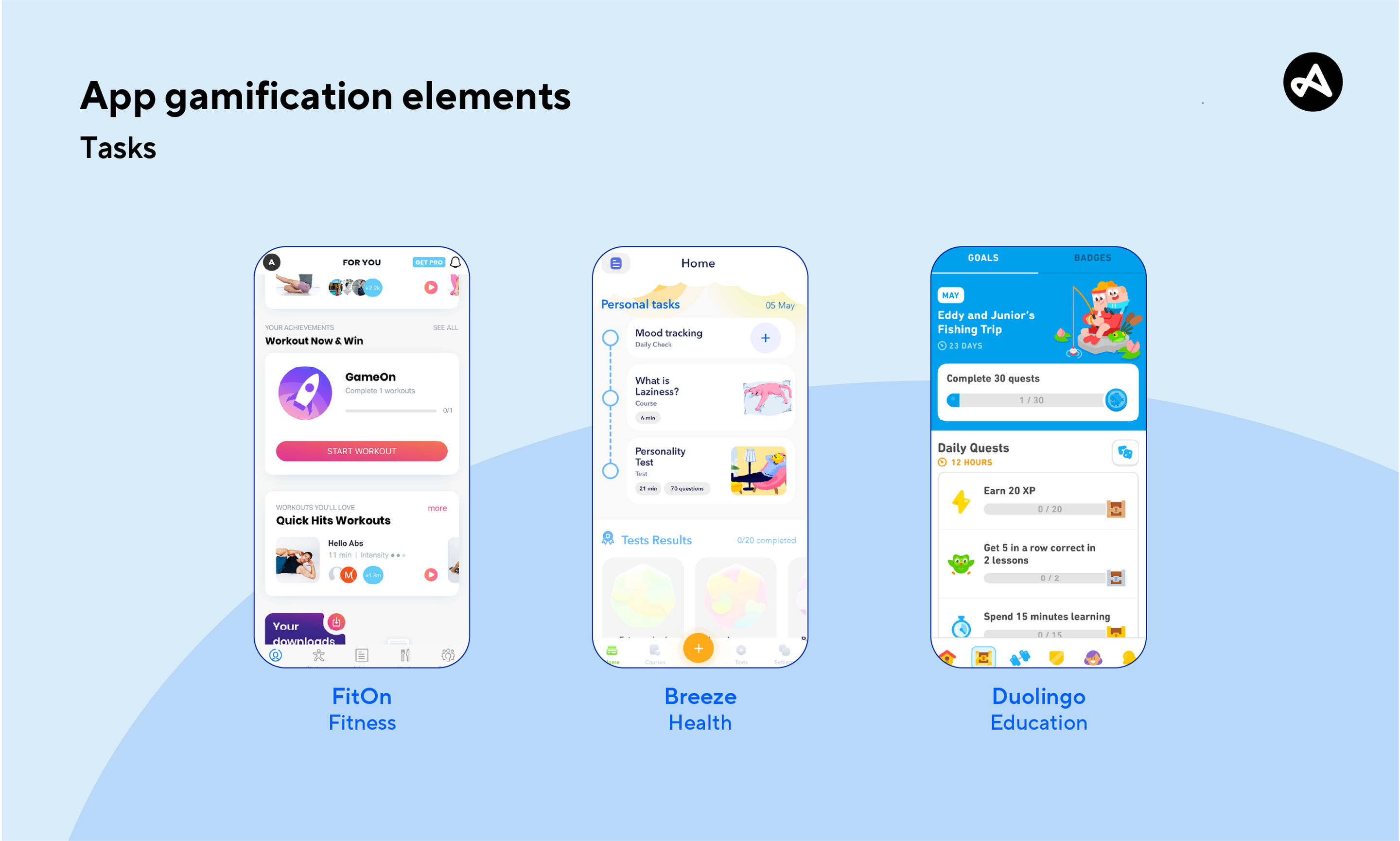
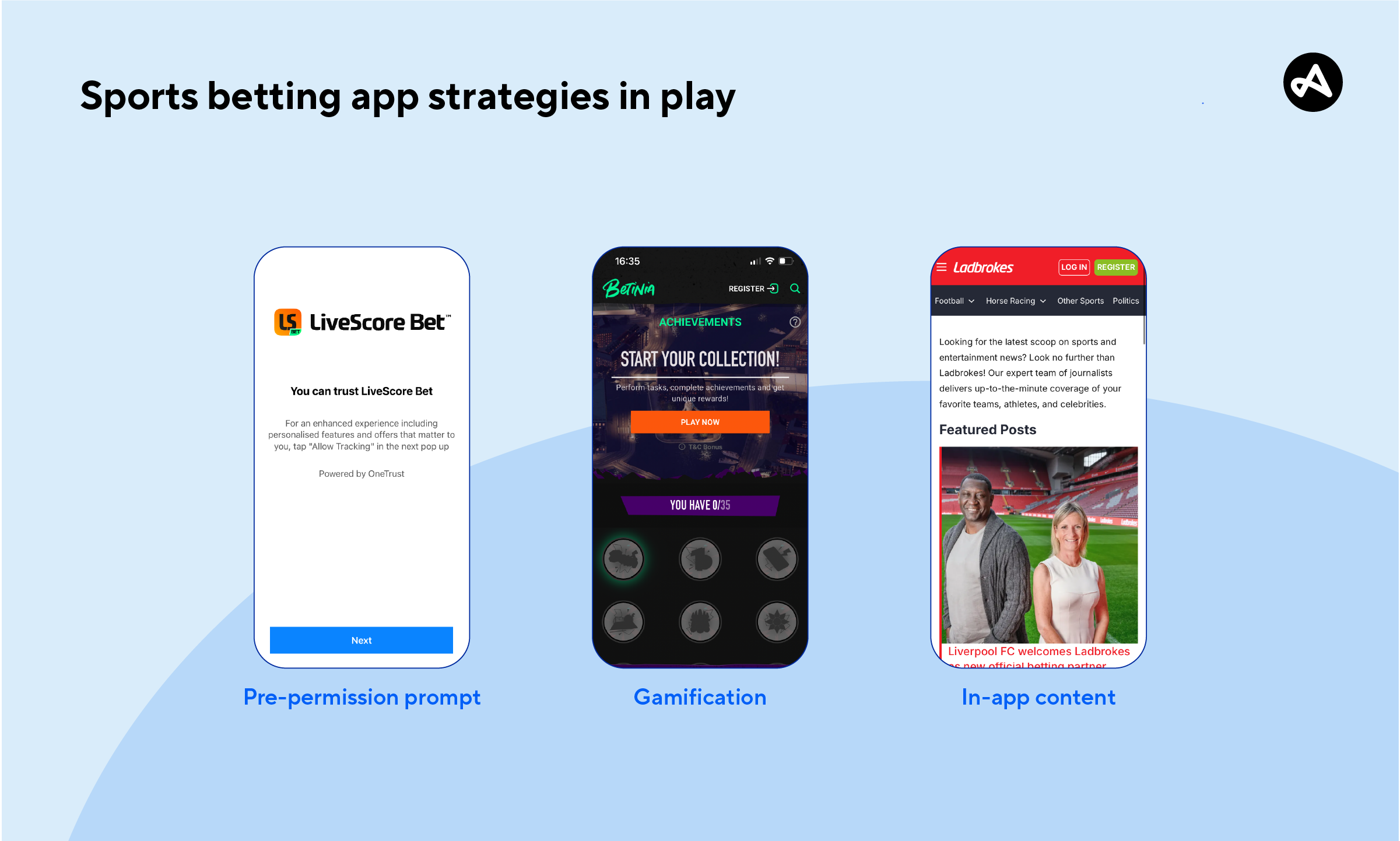
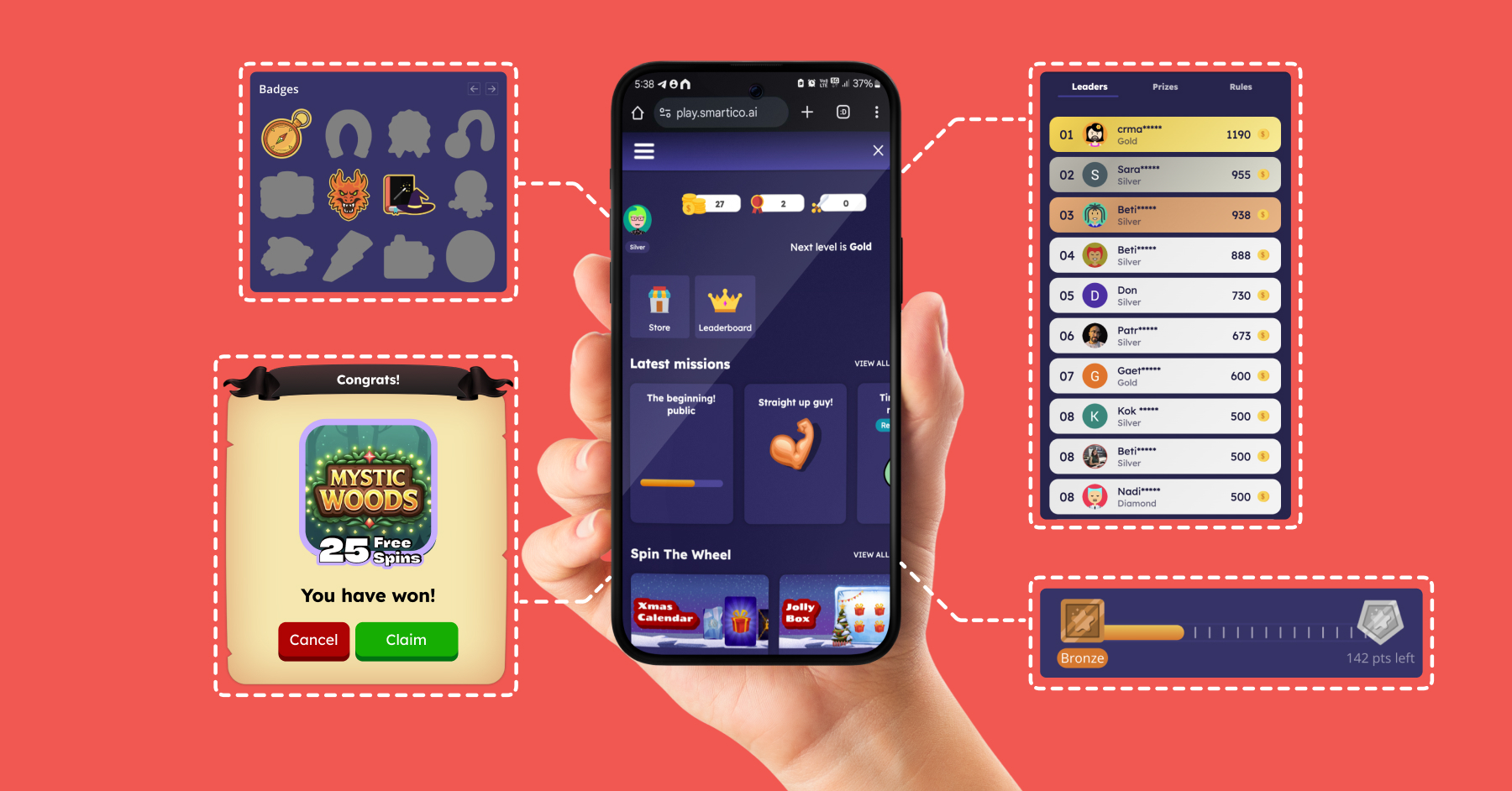
Another crucial consideration is the avoidance of deceptive or manipulative design patterns. Practices such as artificial scarcity, hidden progression mechanics, or exaggerated win animations can create illusions of control or inflate perceptions of success. Ethically-minded interfaces avoid these tactics, presenting outcomes honestly and without hidden psychological nudges. Where gamification elements are present, their purpose should be transparent, supporting engagement without compromising informed choice. Providing clear information about any in-game purchases, loyalty rewards, or bonus mechanics ensures that players understand the real value of their actions.
The integration of responsible gambling tools must be seamless and proactive. Pop-ups or notifications about break reminders, self-exclusion options, or access to support resources should be embedded naturally within the interface rather than appearing as intrusive afterthoughts. Offering immediate access to assistance or guidance during play can make a significant difference for users at risk of overextension. Interfaces that normalize and encourage the use of these tools demonstrate a commitment to ethical principles over short-term revenue.
Privacy and data transparency are additional ethical dimensions. Players’ personal and financial information must be protected through secure protocols, clear consent processes, and transparent data use policies. Informing users about how their activity data is collected, stored, and potentially used for personalized recommendations or marketing builds trust. Ethical interfaces do not exploit behavioral data to manipulate decisions but rather employ analytics to enhance user experience responsibly, such as by detecting patterns indicative of problematic play and prompting interventions.
Testing and iterative refinement are critical to ensuring that ethical design principles are upheld in practice, not just theory. Usability studies, A/B testing with ethical oversight, and feedback channels allow designers to evaluate how real players interact with the interface. Observing moments where users struggle, make unintended choices, or exhibit risky behaviors provides insight into necessary adjustments. A continuous feedback loop ensures that ethical standards evolve alongside user expectations and emerging insights into gambling behavior.
Ultimately, ethical boundaries in gambling interface design are about balancing engagement with responsibility. They require a conscious approach to every design decision, prioritizing transparency, fairness, and player agency. By combining clear communication, control features, moderated sensory cues, inclusivity, honest feedback, responsible tools, privacy safeguards, and iterative evaluation, designers can create experiences that respect users while still offering enjoyment. Ethical design is not a limitation on creativity; rather, it is a framework that channels innovation into outcomes that are both compelling and conscientious. The interface becomes not just a platform for gambling, but a space where users feel informed, empowered, and treated with integrity, reinforcing trust and sustainable engagement over time.
Ethical interface design also encourages a culture within organizations that prioritizes player well-being. When teams embed these principles into their development cycles, decision-making, and corporate ethos, it ensures that ethical considerations are maintained consistently across all products. This holistic approach demonstrates that responsible gambling is not only a regulatory necessity but a core value of product development. As technology continues to advance, new interactive elements, AI-driven personalization, and immersive experiences will present novel challenges. By grounding design practices in ethics, the industry can navigate these innovations thoughtfully, safeguarding players while fostering enjoyment.
The ongoing commitment to ethical boundaries is a signal to players, regulators, and the broader community that the platform values integrity. It cultivates trust, encourages long-term engagement, and establishes a positive reputation that distinguishes ethical operators from those prioritizing profit over responsibility. The careful integration of ethical principles into interface design ensures that gambling remains a form of entertainment rather than a source of harm, demonstrating that responsible design is both a moral obligation and a sustainable business strategy.






Be First to Comment