Skip to content

Tag: gambling

Hierarchy Construction in Casino Interface Design

In the realm of casino interface design, establishing a clear hierarchy is a fundamental principle that profoundly impacts user experience, engagement, and satisfaction. The human brain naturally seeks order and structure, and when a digital environment reflects this inherent preference, users can navigate more intuitively, make decisions with confidence, and focus on gameplay rather than searching for information. Effective hierarchy construction begins with the understanding that not all elements on a screen carry the same weight, purpose, or urgency. Designers must prioritize content, interactions, and visual cues so that the most critical information naturally captures attention while secondary details remain accessible without cluttering the interface.

One of the primary strategies for establishing hierarchy is through visual weight. Size, color, contrast, and positioning serve as powerful tools to guide the user’s eye. For example, in a casino interface, the balance between promotional banners, game icons, and navigation menus is crucial. Large, brightly colored buttons often indicate primary actions such as “Spin,” “Play Now,” or “Deposit,” signaling urgency and encouraging engagement. In contrast, smaller, subdued elements might represent supplementary information, including terms and conditions, game rules, or settings. This differentiation ensures that users are drawn to essential interactive elements first while still having access to supportive details when needed.

Spatial arrangement plays a complementary role in hierarchy construction. Consistency in layout reinforces user expectations, reducing cognitive load. For instance, placing the main navigation at the top or along the side, consistently across pages, allows users to develop a mental map of the interface. Likewise, grouping related content together—such as promotions, active games, and user account information—creates logical zones that simplify scanning and comprehension. The strategic use of whitespace further emphasizes hierarchy. When key elements are surrounded by empty space, they naturally stand out, guiding attention without overwhelming the user.

Typography is another crucial factor in establishing hierarchy within a casino interface. Different font sizes, weights, and styles can communicate relative importance and functionality. Headlines and action labels benefit from bold, larger fonts, signaling immediacy, while body text and descriptive details employ smaller, lighter typefaces to convey supporting information. Hierarchical typography not only directs attention but also reinforces brand identity and aesthetic cohesion, enhancing overall user trust and comfort. Consistency in typeface choices ensures that users can easily differentiate between interactive elements, headings, and descriptive content without confusion.

Color hierarchy adds an additional layer of meaning and guidance. Color can be used to indicate status, highlight promotions, or distinguish between types of actions. Designers often rely on a limited, cohesive palette to create visual clarity. Bright, warm colors such as reds and oranges may denote urgency or high-value actions, while cooler tones like blues and greens suggest stability, calm, or secondary information. Contrast between foreground and background elements ensures readability and accessibility, supporting users with varying levels of visual acuity. When applied thoughtfully, color coding enables users to quickly assess priorities, navigate efficiently, and engage with confidence.

Interactive feedback reinforces the established hierarchy by creating responsive, intuitive experiences. Hover effects, button animations, and subtle transitions guide users through actions without creating distraction. Feedback serves as both confirmation and orientation, reinforcing the perceived importance of elements within the hierarchy. For instance, a glowing border around a newly available game signals opportunity, drawing the user’s attention in alignment with the visual and spatial hierarchy. Likewise, error messages or notifications are styled and positioned to stand out without causing unnecessary alarm, balancing prominence with subtlety.

In a complex environment like a casino platform, hierarchy extends beyond the visual into functional structuring. Designers must consider task flows, sequencing, and decision-making processes. Depositing funds, selecting a game, and engaging in gameplay represent a sequential hierarchy of actions that should be mirrored in the interface. Clear pathways, supported by visual and textual cues, help users move from intention to action seamlessly. Reducing friction in these flows not only improves user satisfaction but also enhances perceived platform reliability and professionalism.

Consistency across different sections of the platform is critical to maintaining an effective hierarchy. Whether users interact via desktop, mobile, or tablet, interface elements should adhere to the same prioritization logic. This ensures a coherent experience, reduces confusion, and builds confidence. Cross-device consistency also supports accessibility, as users can rely on familiar cues to navigate the platform regardless of context. Adaptive design techniques, such as responsive scaling of key buttons or reorganization of content zones, maintain hierarchical clarity across varied screen sizes without compromising usability.

Information architecture underpins visual and functional hierarchy by organizing content into meaningful categories. Games, promotions, account settings, and support resources each occupy a defined place within the platform, minimizing cognitive load. Hierarchical menus, collapsible panels, and progressive disclosure techniques help manage complexity, presenting users with the most relevant information at the right time. This approach respects the principle that users should only be presented with what they need at the moment, reducing decision fatigue and supporting sustained engagement.

User testing and iterative refinement are essential components in verifying and optimizing hierarchy construction. Even meticulously planned visual cues and layouts may require adjustment based on actual user behavior. Eye-tracking studies, heatmaps, and interaction analytics provide insights into which elements attract attention, which are overlooked, and where confusion arises. These insights inform refinements in visual weight, spacing, typography, and color application, ensuring that hierarchy effectively supports user goals and platform objectives.

Ultimately, hierarchy construction in casino interface design is about creating a balanced, intuitive, and aesthetically coherent environment. By prioritizing critical actions, organizing content logically, leveraging visual weight, color, typography, and responsive feedback, designers can foster clarity and confidence. A well-constructed hierarchy not only enhances immediate usability but also reinforces long-term trust, encouraging users to explore, engage, and return. In this way, hierarchy becomes both a practical tool and a subtle psychological guide, shaping interactions in a way that feels natural, effortless, and satisfying. It transforms complexity into clarity, guiding users through intricate digital landscapes with assurance and delight, ultimately defining the quality and success of the casino experience.


Comprehension Limits in Complex Gambling Interfaces

In the realm of modern gambling interfaces, the complexity of design often creates significant cognitive challenges for users. Players are not merely interacting with games; they are navigating intricate systems composed of multiple layers, dynamic feedback loops, and an array of options that can overwhelm even seasoned users. Understanding the limits of comprehension in these contexts is essential for both designers and operators, as it directly affects user experience, decision-making quality, and the overall perception of fairness and control. Users who encounter an interface that surpasses their cognitive bandwidth are more likely to make errors, experience stress, or disengage from the platform altogether.

One of the primary factors influencing comprehension limits is the density of information presented at any given moment. Modern gambling platforms often include multiple pay tables, bonus structures, live odds, and real-time performance indicators, all accessible through interactive menus and layered dashboards. While these features provide transparency and the potential for informed decision-making, they also increase cognitive load. Players must simultaneously process probabilities, potential outcomes, and system rules, which can easily exceed working memory capacity. When interfaces fail to account for these limits, users may resort to heuristics or simplified decision rules, often leading to suboptimal choices.

Visual presentation also plays a critical role in comprehension. Interfaces that rely heavily on small fonts, color-coded symbols without clear legends, or densely packed information grids can impede quick interpretation. The human eye and brain have natural constraints regarding how much visual information can be effectively processed at once. Overly busy layouts or frequent, rapid animations may attract attention but can paradoxically reduce understanding by fragmenting focus. Designers need to balance visual appeal with clarity, using spacing, hierarchy, and grouping to signal priority information and reduce perceptual strain.

Interactivity and feedback mechanisms further shape comprehension limits. In complex gambling interfaces, actions often produce immediate feedback, such as changes in odds, animations of wins or losses, or updates to in-game currency. While feedback can guide user behavior, overly rapid or multi-modal responses can create confusion. If users cannot accurately track the cause-and-effect relationship between their actions and the system’s response, they may experience reduced confidence in their decision-making. This is particularly problematic in systems that incorporate multiple simultaneous variables, such as dynamic betting markets or multi-line slot games, where the consequences of a single action are distributed across several outcomes.

Cognitive load is also influenced by the depth of navigation required. Platforms that require users to access several nested menus to understand rules or adjust settings can exceed comprehension limits. Each additional step imposes a mental overhead: the user must remember previous choices, anticipate the impact of new selections, and integrate this information with ongoing gameplay. Designers often underestimate the cumulative effect of these steps, which can erode engagement and satisfaction. Interfaces that minimize unnecessary navigation, provide consistent pathways, and use progressive disclosure to reveal information in manageable chunks are better aligned with human cognitive capacities.

Another consideration is the variability of user expertise. Experienced gamblers often develop sophisticated mental models that allow them to process complex information more efficiently. Novices, however, lack these mental frameworks and are more susceptible to confusion and misinterpretation. This disparity underscores the importance of adaptive design: interfaces that can tailor complexity to user proficiency, offer contextual explanations, and provide guided tutorials can enhance comprehension without compromising the depth of the platform. Failure to accommodate different levels of expertise risks alienating a significant portion of the user base and may contribute to negative perceptions of fairness and accessibility.

The role of language and terminology cannot be overlooked. Complex gambling platforms frequently employ jargon, abbreviations, and domain-specific symbols. While these can streamline communication among expert users, they often impede comprehension for newcomers. Interfaces that incorporate plain language, tooltips, and accessible glossaries help bridge the gap between complexity and usability. Similarly, presenting probabilistic information in multiple formats—numerical, graphical, and narrative—can support varied cognitive styles and improve understanding of risks and potential rewards.

Emotional factors intersect with cognitive limits in important ways. Stress, excitement, and time pressure inherent in gambling activities can reduce working memory and attention, making it harder to process complex information accurately. Interfaces that require rapid decision-making or present conflicting data under emotionally charged conditions exacerbate comprehension challenges. Design strategies that allow users to control the pace of play, pause for reflection, and review critical information can mitigate these effects and support more deliberate, informed choices.

Technological advances, such as real-time analytics and artificial intelligence, offer opportunities to manage complexity. Adaptive interfaces can highlight relevant information based on user behavior, suggest optimal strategies, or warn when users may be overextending themselves cognitively. However, these tools must be implemented transparently. If users do not understand the rationale behind system recommendations, or if the interface itself becomes a source of opacity, the benefits of technological mediation are undermined. Trust, clarity, and predictability remain foundational to ensuring that complex interfaces support rather than hinder comprehension.

Ultimately, acknowledging and designing for comprehension limits is not merely a matter of usability; it intersects with ethical responsibility and regulatory considerations. Overly complex interfaces can obscure risks, encourage impulsive decisions, and reduce the perceived fairness of outcomes. Operators and designers who recognize these limits can create systems that empower users, foster informed engagement, and balance sophistication with accessibility. Techniques such as information layering, adaptive complexity, clear feedback, and cognitive-friendly layouts transform potentially overwhelming interfaces into environments that respect human cognitive capacities while still offering depth and richness.

The challenge of designing for comprehension limits is ongoing. As gambling platforms evolve, incorporating richer media, dynamic features, and interactive options, the potential for cognitive overload grows. Continuous evaluation through usability testing, cognitive walkthroughs, and user feedback is essential. By measuring how users perceive, interpret, and act upon complex information, designers can refine interfaces to align with natural comprehension abilities. Recognizing that human cognition has boundaries is the first step toward creating gambling environments that are both engaging and responsible, ensuring that complexity enhances the user experience rather than diminishing it.

In summary, comprehension limits in complex gambling interfaces shape every aspect of user interaction, from information processing to decision-making, emotional response, and perceived fairness. Addressing these limits requires careful consideration of information density, visual presentation, feedback design, navigation depth, user expertise, terminology, emotional context, and technological mediation. Thoughtful, user-centered design that respects cognitive constraints can transform intricate platforms into accessible, trustworthy, and enjoyable experiences, ultimately supporting both user satisfaction and responsible engagement.

BalanceSeeking Behavior in Volatile Betting Environments

In volatile betting environments, players often experience a heightened sense of uncertainty, which significantly influences their decision-making processes. The inherent unpredictability of outcomes in these settings creates a psychological tension that drives individuals to seek balance in their betting behavior. This balance-seeking behavior is not merely about winning or losing; it is a complex interplay of risk management, emotional regulation, and strategic adaptation that shapes the overall gambling experience. Players become highly attuned to patterns, probabilities, and feedback mechanisms, attempting to navigate the volatility with a sense of control and stability.

At the core of this behavior is the human desire to reduce cognitive dissonance. When faced with frequent wins and losses, players often attempt to restore equilibrium by adjusting their bets in a manner that aligns perceived risk with expected reward. This can manifest as progressive betting strategies, where stakes are increased after losses or decreased after wins, or as conservative approaches aimed at preserving capital during high volatility periods. The psychological underpinning is the need to maintain a sense of predictability in an inherently unpredictable environment, which provides emotional reassurance and sustains engagement.

Emotional regulation plays a pivotal role in balance-seeking behavior. High volatility can trigger intense emotional responses, including excitement, frustration, and anxiety. Successful players often develop coping mechanisms to moderate these responses, using self-imposed rules or structured routines to avoid impulsive decisions. This might involve setting strict loss limits, predefined win targets, or time-based sessions to prevent emotional escalation. By imposing such structures, players create a personal equilibrium that counteracts the erratic nature of the environment, allowing for a more controlled and deliberate approach to betting.

Risk perception is another critical factor influencing how balance is sought. In volatile settings, the variability of outcomes challenges a player’s ability to accurately estimate probabilities. Individuals often rely on heuristics, past experiences, or pattern recognition to gauge risk, even when statistical independence dictates that outcomes are unpredictable. This perceived control can be comforting, giving players a framework within which they feel capable of managing uncertainty. The act of calibrating bets according to these perceptions exemplifies balance-seeking behavior: it reflects an ongoing effort to align subjective risk assessment with strategic action.

Feedback mechanisms embedded within betting platforms further shape this behavior. Players continuously interpret outcome information, adjusting their strategies in response to wins, losses, and near-misses. Immediate feedback can reinforce certain patterns of play, encouraging the repetition of actions perceived as successful and the avoidance of behaviors associated with loss. Over time, this iterative learning process leads to the refinement of balance-seeking strategies, where players develop personalized systems for mitigating the emotional and financial impact of volatility. The more transparent and predictable the feedback, the more effectively players can stabilize their approach.

Behavioral economics and psychological theories provide insight into why balance-seeking behavior emerges so consistently in volatile environments. Prospect theory suggests that individuals weigh losses more heavily than gains, leading to risk-averse strategies in some situations and risk-seeking tendencies in others. The desire to avoid substantial losses while simultaneously chasing potential gains drives a dynamic equilibrium in betting behavior, where decisions are constantly recalibrated in response to perceived threats and opportunities. Players are effectively balancing the subjective value of outcomes against their tolerance for uncertainty, which is a hallmark of adaptive behavior in complex systems.

Social and environmental factors also contribute to this phenomenon. Observing other players’ successes and failures can influence perceptions of risk and reward, prompting adjustments in betting strategies to maintain competitiveness or conformity. Platform design elements, such as the frequency of high-payout events or the presentation of near-win outcomes, subtly guide behavior, often encouraging players to maintain engagement while managing exposure to volatility. In essence, the interplay between individual psychology and external cues creates a dynamic context in which balance-seeking is both a reactive and proactive process.

Over extended periods, balance-seeking behavior fosters a form of self-regulation that supports sustainable participation in volatile betting environments. By continuously adapting strategies to align with emotional, cognitive, and probabilistic assessments, players develop a rhythm of play that mitigates extreme swings in fortune. This does not eliminate risk but allows individuals to experience volatility in a controlled and manageable manner. The repeated practice of adjusting stakes, monitoring outcomes, and regulating emotional responses contributes to a more resilient betting approach, where engagement is maintained without succumbing to erratic or compulsive behavior.

Importantly, balance-seeking behavior is highly individualized. What constitutes equilibrium for one player may differ drastically for another, depending on factors such as risk tolerance, prior experience, emotional resilience, and cognitive biases. Some may find comfort in frequent small bets that minimize variance, while others may pursue larger, less frequent bets that maximize potential upside. Each approach represents an attempt to achieve a personal sense of stability amidst the inherent uncertainty of volatile environments, illustrating the diverse strategies through which players seek balance.

In conclusion, balance-seeking behavior in volatile betting environments represents a sophisticated interplay of psychological, cognitive, and behavioral factors. It emerges from the need to manage uncertainty, regulate emotions, interpret feedback, and align subjective risk perceptions with actionable strategies. Through iterative adjustments and self-imposed structures, players cultivate a sense of control that allows them to navigate unpredictability while sustaining engagement. This behavior underscores the adaptive capacity of individuals in high-stakes, high-variance contexts and highlights the intricate ways in which human decision-making responds to volatility. Ultimately, the pursuit of balance is a defining feature of strategic gambling, reflecting both the challenges and the resilience inherent in interacting with unpredictable systems.

Workflow Stability in Betting Applications

Ensuring workflow stability in betting applications is a cornerstone of both user satisfaction and operational efficiency. Betting platforms operate in environments where milliseconds can affect outcomes, and any disruption in workflow can compromise user trust and platform credibility. Stability begins with the architecture of the application itself. A well-designed backend infrastructure is critical to handle high concurrency and real-time data processing. The use of scalable cloud-based systems or distributed server networks allows applications to absorb spikes in traffic, particularly during major sporting events or high-profile betting periods. By implementing load balancing and redundancy, the system can maintain responsiveness even when unexpected user surges occur, preventing downtime or delayed responses that could frustrate users and diminish confidence.

Another key factor in workflow stability is the consistency of transactional operations. Betting applications handle large volumes of financial transactions, from deposits to payouts, and any inconsistency in these processes can lead to errors, disputes, or even regulatory issues. Ensuring that transactional modules operate with atomicity, consistency, isolation, and durability (ACID principles) safeguards the integrity of bets and balances. This is complemented by real-time monitoring systems that detect anomalies or failed transactions immediately, allowing for rapid intervention before issues cascade. For users, this translates to seamless experiences where each bet, win, or loss is accurately recorded and reflected without unexpected interruptions.

User interface design also contributes significantly to perceived workflow stability. A cluttered or confusing interface can disrupt the natural flow of betting activities, leading to mistakes or hesitation. Clear navigation, consistent placement of key controls, and real-time updates on odds and results ensure that users can follow their desired actions without friction. In addition, feedback mechanisms such as confirmation dialogues, visual indicators for ongoing processes, and error notifications help users understand the state of their actions at any moment. When users feel that the system reliably communicates and responds to their inputs, they are more likely to trust and remain engaged with the application.

Automation and intelligent event handling are also vital components. Betting applications often involve complex sequences of events, from live odds updating to automated settlement of bets. Ensuring that these automated workflows are robust requires rigorous testing and fail-safes that handle edge cases or unexpected inputs. For instance, a sudden change in odds due to a live game event must trigger updates across all affected bets without introducing delays or inconsistencies. Automated rollback mechanisms, caching strategies, and queue management can prevent workflow interruptions and maintain stability during these dynamic conditions.

Performance monitoring and predictive analytics play a crucial role in maintaining workflow stability over time. Continuous monitoring of server loads, transaction throughput, response times, and error rates allows operators to anticipate potential bottlenecks. Predictive models can forecast high-demand periods and enable preemptive scaling or optimization, reducing the risk of service degradation. Furthermore, data analytics can identify patterns in user behavior that may inadvertently strain the system, such as simultaneous high-volume betting on a particular event, allowing for proactive measures to redistribute load or throttle non-critical processes without impacting critical betting functions.

Security considerations are tightly intertwined with workflow stability. Threats such as Distributed Denial of Service (DDoS) attacks, fraudulent transactions, or account breaches can destabilize application workflows. Robust authentication protocols, real-time fraud detection, and intrusion prevention systems help maintain operational integrity. By mitigating these threats, the application ensures that users experience uninterrupted services while protecting sensitive financial and personal information, reinforcing confidence in the platform’s stability.

Communication infrastructure also plays a pivotal role. Many betting applications rely on streaming live data for odds, scores, and event updates. Any latency or inconsistency in these feeds can create workflow disruptions and user dissatisfaction. Employing low-latency communication protocols, redundancy in data sources, and efficient data serialization techniques ensures that the information delivered to users is both timely and reliable. Stable, continuous data streams are essential for maintaining user engagement and operational accuracy.

Updates and maintenance must be carefully managed to avoid disrupting workflows. Rolling updates, blue-green deployment strategies, and feature flag systems allow developers to introduce new functionality or fix issues without interrupting the active user experience. Scheduled maintenance windows, combined with transparent communication to users, further support stability by setting expectations and preventing surprises. These practices allow the application to evolve and improve while preserving uninterrupted core operations.
Finally, user support and recovery mechanisms contribute to overall workflow stability. Despite all preventive measures, errors or unexpected interruptions may still occur. Offering immediate support through chatbots, live agents, or self-service tools allows users to resolve issues quickly, preventing frustration from escalating. Additionally, session persistence ensures that users can resume their activities from the point of interruption without losing data or progress, reinforcing the perception of a stable and reliable platform.

In conclusion, workflow stability in betting applications is achieved through a multi-layered approach encompassing infrastructure resilience, transactional consistency, intuitive interface design, robust automation, proactive monitoring, stringent security, reliable communication channels, careful update management, and responsive support. Each of these elements contributes to a seamless user experience where actions are predictable, data is accurate, and the platform remains operational under varying conditions. By prioritizing stability, betting applications not only enhance user trust and satisfaction but also secure operational efficiency, regulatory compliance, and long-term viability in a competitive digital landscape. This integrated focus on reliability and responsiveness ensures that users can engage confidently, knowing that their interactions, transactions, and overall experience are supported by a robust, dependable system.

Alignment Factors in Player Trust Formation

Trust in gaming, particularly in digital or online environments, is a fragile yet foundational element that governs player behavior, retention, and satisfaction. Players continuously make subconscious assessments of whether a platform, game, or system is reliable, fair, and secure. One of the most critical determinants in this process is alignment—the degree to which a game’s mechanics, interface, feedback, and design principles align with the player’s expectations and cognitive models. Alignment serves as both a bridge and a signal: it connects player intuition with game reality and simultaneously communicates credibility and reliability. Misalignment, on the other hand, breeds skepticism, confusion, and disengagement, ultimately eroding trust before any technical flaws become relevant. Understanding the layers and factors of alignment helps designers craft experiences that foster confidence and sustain long-term engagement.

First, interface alignment is a primary factor in player trust formation. Users approach games with mental models shaped by prior experiences across genres, platforms, and even physical games. When a slot machine, for instance, or any interactive system, adheres to familiar patterns—predictable button layouts, intuitive menu flows, clear status indicators—it signals competence and stability. Players do not need to consciously articulate this recognition; their comfort level rises, reducing cognitive friction. Conversely, a cluttered interface with inconsistent iconography, unpredictable responses, or poorly signposted controls introduces uncertainty. Each hesitation, misclick, or unexpected outcome chips away at the perception of fairness. In digital environments, where the absence of physical cues like mechanical sounds or tactile feedback can leave players feeling disoriented, visual and functional alignment becomes even more critical.

Another dimension is the alignment of reward and feedback systems. Players constantly evaluate whether outcomes match their expectations. In gambling contexts, for example, clear payout structures, transparent odds, and understandable bonus mechanics contribute to a sense of honesty. Feedback timing also matters: a delayed reward, or animations that overstate or understate the significance of an event, can create doubt about whether the system is accurately reflecting reality. Alignment here is not about inflating excitement, but about ensuring that experiential signals match underlying rules. The human brain is adept at detecting inconsistencies between effort, expectation, and outcome; misalignment in these areas can trigger suspicion even if the system is objectively fair.

Communication alignment further reinforces trust. Players interpret both explicit and implicit messaging from a platform. Explicit messages include terms of service, instructions, or notifications, while implicit cues might involve consistent iconography, sound cues, or responsive animations. When these forms of communication echo each other and match player expectations, the system appears coherent and reliable. Mixed signals—such as a warning message that conflicts with visual indicators, or unclear terminology in bonus mechanics—introduce friction, reduce confidence, and may lead players to question the integrity of the system. Designers who anticipate player interpretations and synchronize messaging across multiple channels help prevent these trust fractures.

Social alignment plays a subtler yet potent role. Players often measure a platform’s credibility against perceived social norms or peer behavior. Leaderboards, community indicators, or reputation signals are aligned when they reflect player achievements in ways that are consistent and verifiable. When social metrics seem arbitrary, manipulated, or opaque, players quickly infer unreliability. This is particularly true in competitive or collaborative gaming environments, where trust in the fairness of ranking, matchmaking, or social interactions directly impacts player engagement. Alignment ensures that social cues do not contradict system logic, reinforcing a cohesive perception of integrity.

Consistency over time, or temporal alignment, is another critical factor. Trust is not static; it is built through repeated positive experiences. Players notice patterns in how systems behave, how odds fluctuate, or how rewards are distributed. A game that consistently behaves according to its stated rules, without sudden, unexplained shifts, establishes a history of reliability. Sudden deviations, even minor, can feel like breaches of implicit contracts. Temporal alignment extends to software updates and maintenance as well: when updates maintain interface familiarity and reward structures, trust persists; when updates drastically alter expected flows or obscure prior cues, trust can erode.

Design alignment with ethical and regulatory standards underpins trust at a more abstract level. Players are increasingly aware of fairness and safety issues in digital gaming, including concerns about data privacy, algorithmic fairness, and responsible gaming. When a platform’s policies and practices are transparent and clearly communicated, and when the design itself reflects ethical considerations—such as limiting exploitative loops or clearly separating skill from chance—players interpret these alignments as markers of trustworthiness. The perception of ethical integrity reinforces the experiential trust built through interface, reward, and communication alignment.

Finally, emotional alignment is a nuanced but critical layer. Players engage with games not only intellectually but emotionally. Games that respect pacing, avoid manipulative reward exaggeration, and maintain consistent tone help align the emotional experience with cognitive expectations. Discrepancies between anticipated emotional outcomes and actual experiences—like a sudden harsh penalty or overblown animation for minor events—can trigger distrust. Emotional alignment involves anticipating the player’s psychological response and matching it with appropriate game signals, thereby reinforcing the broader trust framework.

In conclusion, alignment factors operate as an interconnected web shaping player trust. Interface, reward systems, communication, social cues, temporal patterns, ethical standards, and emotional tone all must harmonize to meet player expectations. Each dimension reinforces the others, creating a coherent environment where players can predict outcomes, understand rules, and feel confident in the system’s integrity. Misalignment in any of these areas introduces friction, undermines credibility, and diminishes engagement. Thoughtful alignment, therefore, is not merely a design convenience but a foundational strategy for cultivating sustained trust, enhancing satisfaction, and ensuring that players feel secure and respected in their gaming journey. Well-aligned experiences signal reliability, fairness, and competence—qualities that are essential for long-term player retention and positive brand perception.

Volatility Tolerance in Experienced Bettors

Experienced bettors approach gambling with a mindset shaped by exposure, learning, and the nuanced understanding of risk. One key factor distinguishing seasoned gamblers from novices is volatility tolerance—the ability to endure fluctuations in outcomes, both small and large, without letting them disrupt decision-making or enjoyment. Volatility tolerance is not simply about handling losses; it is about maintaining a consistent strategy in the face of unpredictable results. High volatility can lead to significant swings in wins and losses, while low volatility offers steadier, more predictable outcomes. Experienced bettors learn to calibrate their exposure to volatility according to their goals, bankroll, and psychological resilience. They understand that outcomes in gambling are inherently probabilistic, and they rarely allow individual events to overly influence their perception of success or failure.

Developing a tolerance for volatility requires both experience and reflection. Experienced bettors often engage in a form of mental rehearsal, simulating worst-case scenarios and contemplating how they would respond. This cognitive preparation fosters emotional resilience, allowing them to remain focused on long-term performance rather than short-term fluctuations. Additionally, experienced bettors are adept at using data to contextualize volatility. They track patterns, understand statistical distributions, and know the expected variance for different types of bets. By quantifying the typical swings they might encounter, they reduce the uncertainty that can provoke anxiety. This analytical approach transforms what could be perceived as chaos into a structured landscape, making large fluctuations less intimidating.

A critical aspect of managing volatility involves bankroll management. Experienced bettors recognize that exposure should be proportional to the total bankroll, with strategies designed to weather losing streaks without jeopardizing overall sustainability. Techniques such as fixed-percentage betting, unit sizing, and reserve funds are common tools. By limiting the portion of their resources exposed to high-variance bets, bettors avoid the psychological stress that can undermine rational decision-making. This approach also encourages patience, as they understand that winning opportunities are cumulative rather than instantaneous. Bets are not simply gambles; they are calculated moves within a framework that balances risk and potential reward.

Volatility tolerance also intersects with emotional control. Experienced bettors cultivate a detached perspective, avoiding the trap of reacting impulsively to short-term outcomes. Losses are viewed as data points rather than personal failures, and wins are appreciated but not idolized. This emotional neutrality prevents the rollercoaster effect that can impair judgment and lead to over-betting or riskier decisions. Mindfulness, self-awareness, and reflection are essential practices that reinforce this equilibrium. Bettors who can observe their emotional responses without succumbing to them are better positioned to sustain consistent strategy, even under extreme swings.

The concept of volatility is not solely negative; high-volatility environments can provide excitement and significant opportunity for profit. Experienced bettors are often drawn to bets with larger variance because they understand both the mechanics and the psychology involved. They assess whether the potential reward justifies the stress and risk, often choosing scenarios where the statistical expectation aligns with their risk appetite. They are aware that high volatility can produce short-term pain but long-term gain when managed carefully. In contrast, low-volatility betting may be preferred for more stable returns, offering predictability and reduced emotional strain. The key lies in the ability to match volatility to the bettor’s tolerance, resources, and strategic objectives.

Cognitive framing also plays a role in volatility tolerance. Experienced bettors reframe losses as natural components of probabilistic systems rather than personal deficiencies. This mental framing reduces regret, frustration, and impulsive corrective actions, which can exacerbate negative swings. They adopt a long-term perspective, focusing on the ratio of expected outcomes over many trials rather than single-event results. By internalizing this broader context, they prevent the emotional spikes that can accompany unexpected outcomes. This rational approach allows them to navigate high-variance situations with composure, seeing opportunities where others might perceive only risk.

Another hallmark of experienced bettors is their ability to learn from volatility rather than be debilitated by it. Each win and loss is analyzed, contributing to an evolving understanding of strategy efficacy and probability. Volatility provides feedback, revealing patterns, anomalies, and areas for adjustment. Experienced bettors use this information to refine betting methods, adjust unit sizes, and recalibrate expectations. Over time, exposure to variance becomes a training mechanism, strengthening decision-making skills and emotional fortitude. The experience of navigating both high and low volatility conditions fosters an adaptable mindset, capable of responding to novel challenges without panic.

Volatility tolerance also shapes social and behavioral aspects of betting. Experienced bettors often avoid herd mentality, recognizing that emotional contagion can amplify stress and lead to poor decisions. They maintain independence, making choices grounded in their analysis rather than reactions to others’ wins or losses. This disciplined approach reinforces self-confidence and ensures that strategy remains aligned with personal risk tolerance. They are also aware of situational triggers—periods of rapid losses or consecutive wins—that can test volatility tolerance. By anticipating these moments, they implement safeguards, such as reducing bet sizes or taking breaks, to maintain clarity and prevent rash decisions.

Technological tools further support volatility management. Many experienced bettors leverage analytics software, tracking systems, and historical data to predict ranges of possible outcomes. This transparency transforms uncertainty into manageable information, allowing for better strategic planning. Even in live or rapidly changing environments, these tools provide a buffer against emotional reactivity, presenting a factual basis for decisions rather than intuitive guesswork. Experienced bettors combine these tools with personal experience to create a robust framework for handling swings in outcomes effectively.

In conclusion, volatility tolerance is a defining characteristic of experienced bettors. It encompasses psychological resilience, strategic foresight, emotional regulation, and disciplined bankroll management. By understanding and accepting the inherent unpredictability of gambling outcomes, experienced bettors maintain focus on long-term objectives and avoid being derailed by short-term fluctuations. Volatility is neither an obstacle nor a purely negative phenomenon; it is an integral component of strategic engagement that, when managed with skill and composure, enhances both performance and enjoyment. The interplay of cognitive framing, emotional neutrality, and structured strategy allows experienced bettors to thrive where novices might falter, demonstrating that true mastery of gambling lies not in predicting outcomes but in navigating uncertainty with measured confidence.

Urgency Cues in Time Limited Offers

In marketing and consumer engagement, time-limited offers serve as powerful psychological triggers that can drive rapid decision-making. These offers leverage the concept of urgency, compelling consumers to act quickly due to the perceived scarcity of opportunity. When designed effectively, urgency cues can significantly influence buying behavior, increasing conversions and enhancing the perceived value of a product or service. The core principle behind these cues is rooted in human psychology: people are naturally inclined to avoid missing out on potential gains, a phenomenon often referred to as FOMO, or the fear of missing out.

One of the primary strategies for creating urgency is the explicit use of countdown timers. These timers provide a visual representation of the limited availability window, reinforcing the temporal pressure on the consumer. A countdown timer not only communicates the deadline but also keeps the sense of immediacy in the user’s mind throughout their browsing or shopping experience. The psychological impact of seeing a ticking clock can subtly accelerate decision-making, reducing hesitation and prompting faster conversions. This method is particularly effective in e-commerce environments, where consumers are often faced with numerous options and may delay decisions due to comparison shopping or indecision.

Another effective urgency cue is limited stock notifications. By displaying messages such as “Only 3 items left” or “Limited quantities available,” marketers create a perception of scarcity that heightens the desire to act quickly. Scarcity and urgency together amplify the incentive to purchase, as consumers interpret low availability as a signal of high demand and value. The effectiveness of this approach relies on authenticity; exaggerated or false scarcity can erode trust and damage brand credibility. Consumers are increasingly savvy and can detect artificial urgency, so it is crucial for businesses to maintain transparency while still leveraging these cues to drive engagement.

Flash sales are a common implementation of urgency cues, combining both time constraints and discounted pricing to stimulate rapid action. These sales often last only a few hours or a single day, creating a high-pressure environment where immediate action is necessary to capitalize on the offer. Flash sales tap into both urgency and reward systems in the brain, providing a compelling reason to engage quickly. When integrated with targeted notifications, such as emails, push notifications, or in-app messages, flash sales can maximize visibility and drive rapid traffic to the promotional offer.

Language choice plays a critical role in conveying urgency effectively. Words like “now,” “hurry,” “limited,” and “ending soon” create a sense of immediacy and can influence the consumer’s perception of time-sensitive opportunity. Coupling these terms with strong visual design, such as bold fonts, bright colors, and prominent placement on the page, ensures that the urgency cues are noticeable and compelling. The combination of linguistic and visual signals works synergistically, heightening the emotional response and motivating action.

Social proof can also enhance urgency cues by demonstrating that others are taking advantage of the offer. Messages like “X people are viewing this deal” or “Y items purchased in the last hour” add credibility and create a sense of competition, which can further push consumers toward immediate action. This leverages the social and behavioral aspects of human decision-making, where people are influenced not only by scarcity and time but also by the behavior of their peers.

However, effective use of urgency cues requires careful balance. Overuse or aggressive tactics can trigger anxiety or skepticism, potentially driving consumers away rather than encouraging engagement. It is essential for marketers to design urgency cues that feel natural, authentic, and aligned with the overall brand experience. Timing, context, and audience segmentation play key roles in determining the most effective implementation. For example, high-value or complex products may benefit from softer urgency cues, while low-cost or impulsive-purchase items can tolerate more aggressive approaches.

Digital platforms offer unique opportunities for real-time urgency cues that were not possible in traditional retail. Dynamic countdowns, live inventory tracking, and personalized notifications can create a tailored sense of urgency for each user. These tools allow marketers to respond to consumer behavior in the moment, adjusting messages based on engagement patterns, browsing history, or cart abandonment signals. The result is a more personalized and compelling urgency experience that aligns with modern consumer expectations.

Another consideration is the integration of urgency cues with other motivational factors, such as exclusive access or member-only benefits. Highlighting that an offer is only available to subscribers or loyal customers can enhance the perceived value while still leveraging the psychological pressure of limited availability. Combining exclusivity with urgency can create a heightened sense of privilege and immediacy, driving engagement while fostering brand loyalty.

Data analysis and testing are essential for optimizing the effectiveness of urgency cues. A/B testing different phrases, countdown styles, or scarcity messages can reveal which approaches resonate most with the target audience. Monitoring metrics such as click-through rates, conversion rates, and time-on-page provides insights into how urgency cues influence consumer behavior and informs continuous improvement. Businesses that refine their urgency strategies based on empirical data are more likely to achieve consistent and measurable results.

In conclusion, urgency cues in time-limited offers are a potent tool for shaping consumer behavior. By leveraging psychological principles such as scarcity, immediacy, social proof, and reward anticipation, marketers can drive quicker decision-making and increase engagement. Effective implementation requires authenticity, balance, and strategic integration with the overall customer experience. When executed thoughtfully, urgency cues not only enhance short-term conversions but also contribute to a dynamic and compelling brand presence that resonates with consumers in a fast-paced digital marketplace. These techniques, when combined with data-driven insights and personalized experiences, form a robust framework for maximizing the impact of time-limited promotions, ensuring that consumers feel both motivated and valued.

Switching Costs Between Game Categories

In the world of digital gaming, players often encounter a wide variety of game genres, each offering unique experiences and mechanics. The decision to switch from one game category to another is influenced by numerous factors, and understanding these switching costs can provide valuable insights for game designers and platform managers. Switching costs, in this context, are not merely financial; they encompass time, effort, emotional investment, and the perceived value of familiarity within a particular genre. These costs play a significant role in player retention, engagement, and satisfaction, as they shape the way users perceive new gaming experiences and the effort required to transition between them.

One of the most prominent aspects of switching costs is the cognitive investment a player has in mastering the mechanics of a specific game category. For instance, strategy games often demand extensive planning, deep understanding of rules, and long-term decision-making skills. A player who has developed proficiency in these areas may find it challenging to shift to a fast-paced action game that emphasizes reflexes and rapid responses. The mental model built around one genre does not necessarily translate seamlessly to another, and this learning curve can deter players from experimenting with new categories. Designers can mitigate this by offering onboarding experiences that bridge the cognitive gap, highlighting familiar mechanics while gradually introducing new ones.

Time investment also constitutes a substantial component of switching costs. Many games, particularly role-playing games and massively multiplayer online games, reward long-term engagement with in-game progress, achievements, and social connections. A player considering a transition to a different genre must weigh the potential loss of progress and status against the anticipated enjoyment of the new experience. The sunk cost of prior playtime can act as a psychological barrier, making it less likely for users to explore unfamiliar categories. Platforms that allow for transferable achievements, cross-game rewards, or hybrid experiences can reduce this barrier, providing a smoother path for exploration without penalizing the player’s accumulated investment.

Social and community factors are another critical dimension of switching costs. Multiplayer games often foster strong social ties among players, creating networks of friends, guilds, or teams. Switching to a new game category can mean leaving behind these established social structures, which represents both an emotional and a functional cost. Social incentives are a powerful retention tool, and the absence of familiar peers in a new category can diminish the initial appeal of the game. Developers can address this by incorporating social integration features, such as cross-genre friend networks, shared chat platforms, or collaborative events that encourage existing social groups to try new categories together.

Emotional attachment and preference also play a role in switching behavior. Players often develop genre-specific habits, enjoying the pacing, storytelling style, or challenge type particular to a certain category. These preferences create a comfort zone that makes new experiences feel uncertain or risky. The more emotionally invested a player is in a genre, the higher the perceived cost of switching. Games that successfully reduce these emotional barriers often leverage familiar thematic elements, visual styles, or narrative structures to ease players into the new category. By blending recognizable elements with innovative features, designers can create a sense of continuity that encourages experimentation while preserving comfort and engagement.

Another consideration is the interface and control scheme of different game categories. Games vary widely in how they present information and allow player interaction. A strategy game may rely heavily on menus, maps, and resource management panels, while a platformer emphasizes precision controls and real-time movement. Switching between these control paradigms requires physical adaptation and skill recalibration, which adds to the perceived effort. Offering customizable controls, adaptive tutorials, or practice modes can alleviate this friction, making the transition less daunting and more appealing to players willing to explore diverse experiences.

Monetary factors also influence switching costs, although they are often less significant than cognitive or emotional barriers. Players may have invested in in-game purchases, season passes, or subscriptions tied to a specific category. Switching to another genre without a similar investment may feel like a loss, discouraging experimentation. Game platforms can address this through cross-category rewards, account-wide benefits, or transferable currencies that allow players to retain some value when exploring new games. These strategies not only lower the financial barrier but also reinforce loyalty to the platform as a whole.

Understanding switching costs is essential for designing player-centered experiences and encouraging cross-genre engagement. By recognizing the multi-dimensional nature of these costs, developers can create mechanisms to ease transitions, such as gradual tutorials, social integration, transferable achievements, and thematic consistency. These interventions reduce the perceived effort and risk associated with trying new game categories, increasing the likelihood that players will explore broader experiences without abandoning their core habits.

Moreover, insights into switching costs can inform marketing and retention strategies. Highlighting familiar elements, emphasizing community involvement, and offering initial incentives can attract players who might otherwise hesitate to explore new categories. Platforms that effectively manage switching costs can cultivate a more dynamic and versatile player base, fostering engagement across a wider spectrum of game types and reducing the risk of stagnation or burnout.

In conclusion, switching costs between game categories encompass cognitive, temporal, social, emotional, control-based, and financial dimensions. These costs act as both barriers and guiding factors in player behavior, influencing how, when, and why individuals explore new gaming experiences. By carefully considering these factors, developers and platforms can design experiences that respect players’ investments, reduce friction, and encourage exploration. Addressing switching costs is not merely a matter of convenience; it is a strategic approach to sustaining engagement, broadening player horizons, and fostering long-term satisfaction across the diverse landscape of digital gaming. Players are more likely to embrace variety and experimentation when the transition is smooth, intuitive, and rewarding, highlighting the importance of thoughtful design in navigating the subtle yet powerful influence of switching costs.

Threshold Awareness in Loss Control

In modern gambling design, understanding threshold awareness in loss control is essential for maintaining both player engagement and ethical responsibility. Threshold awareness refers to a player’s recognition of their own limits—financial, temporal, or emotional—while engaging with a gaming system. By designing games that subtly guide users to acknowledge these thresholds, developers can create experiences that are enjoyable yet responsible, balancing the thrill of play with safeguards against excessive loss. This principle is not merely a regulatory checkbox but a key component in building trust and long-term satisfaction among players. Players who feel they have control over their risk are more likely to engage consistently, whereas those who feel blindsided by unexpected losses are prone to disengagement and negative sentiment.

The implementation of threshold awareness begins with clear communication. Players should be able to see and understand their current position relative to predefined loss limits. This does not require heavy-handed warnings but rather an integration of visual and interactive cues that gently reinforce the idea of limits. For example, subtle changes in interface color, animations that signify cumulative losses, or small notifications about approaching pre-set thresholds can all serve as reminders without breaking immersion. The goal is to make the player aware of their behavior in real time, allowing them to make informed decisions rather than reacting purely out of emotion.

One effective method is the dynamic adjustment of feedback based on cumulative losses. By monitoring patterns of play, a game can adaptively alert the player when certain thresholds are approached. This is different from generic warning pop-ups, which are often ignored; adaptive cues leverage context and player behavior to increase awareness. A visual cue, such as a slowly filling meter, provides immediate understanding of progression toward a limit. Similarly, subtle auditory signals can reinforce awareness without creating stress or distraction. The integration of these cues into the core design of the game ensures that players remain oriented, recognizing their limits while still enjoying the flow of play.

Behavioral psychology underpins the effectiveness of threshold awareness. Players often experience cognitive biases, such as loss aversion, which can distort their perception of risk. Loss aversion refers to the tendency to weigh losses more heavily than equivalent gains, which can lead to chasing losses or making impulsive decisions. By incorporating threshold awareness mechanisms, designers provide counterbalances to these biases. Clear, consistent indicators help players recalibrate their expectations and maintain a realistic view of their situation. This encourages responsible behavior, reduces the likelihood of regretful decisions, and fosters a more stable player base.

Another critical factor is the personalization of thresholds. Players have different tolerance levels, and a one-size-fits-all approach may either feel restrictive or ineffective. Systems that allow players to set their own loss limits empower them to take ownership of their gaming experience. Providing optional tools for customization, such as adjustable daily, weekly, or session-based loss limits, enhances autonomy and reinforces a sense of responsibility. When combined with responsive feedback mechanisms, these personalized thresholds create an environment where players can enjoy the entertainment aspect of gaming without exceeding their comfort zones.

Transparency is also vital. Players need to understand not only their own thresholds but how the system defines and enforces them. For example, clear explanations about how losses are calculated, how thresholds interact with in-game mechanics, and how alerts are triggered contribute to trust. A player who perceives the system as opaque may ignore warnings or feel manipulated, while one who understands the mechanics is more likely to respond positively. Transparency in threshold management also supports regulatory compliance and aligns with industry standards for responsible gaming, further reinforcing ethical play.

Timing of alerts plays a significant role in threshold awareness. Immediate feedback is generally more effective than delayed notifications, as it allows the player to adjust behavior in real time. However, overly aggressive or frequent alerts can cause fatigue and reduce the effectiveness of the system. Designers must find a balance between informative guidance and subtle reinforcement. The ideal approach is to integrate threshold cues seamlessly into the gameplay experience, making them an intuitive part of interaction rather than intrusive interruptions.

Beyond individual session management, threshold awareness can inform broader engagement strategies. For example, analyzing patterns of how players respond to loss-related cues can help designers refine reward structures, pacing, and game difficulty. Insights derived from these patterns can indicate when players are likely to approach critical limits, allowing proactive adjustments that enhance both enjoyment and safety. This data-driven approach ensures that threshold awareness is not merely reactive but a core component of the design philosophy, contributing to long-term engagement without compromising ethical standards.

Moreover, threshold awareness contributes to emotional regulation during gameplay. Players are more likely to maintain a calm, focused state when they have continuous, unobtrusive reminders of their limits. This emotional stability reduces impulsive decisions, decreases frustration from unexpected losses, and enhances overall satisfaction. By supporting self-regulation, games can cultivate positive habits and encourage longer, more enjoyable sessions. When players feel respected and supported, the platform benefits from increased retention and positive reputation.

Cultural and demographic considerations further refine threshold awareness. Different player populations may have varying perceptions of acceptable loss and risk. Designers must account for these differences to ensure that cues are meaningful across diverse audiences. Testing with representative user groups, evaluating responses to feedback mechanisms, and adapting thresholds to context-specific norms are all part of implementing an effective loss control system. The combination of universal design principles with local customization ensures that all players receive clear, relevant guidance.

Finally, threshold awareness is a dynamic process, requiring continuous evaluation and refinement. Players’ behaviors, expectations, and tolerance levels evolve over time, influenced by experience, external factors, and changes in game mechanics. Systems must be flexible enough to accommodate these changes, updating thresholds and cues as necessary to maintain effectiveness. Regular monitoring, user feedback, and data analysis support iterative improvements, ensuring that loss control mechanisms remain relevant and beneficial throughout the lifecycle of the game.

In conclusion, threshold awareness in loss control is an integral aspect of responsible game design, blending psychology, transparency, personalization, and subtle feedback to empower players. By providing clear, context-sensitive cues, respecting individual limits, and fostering self-regulation, developers create a gaming environment that is both engaging and ethically sound. This approach not only enhances player satisfaction and trust but also supports long-term retention and compliance, demonstrating that entertainment and responsibility can coexist in a well-designed gaming experience.

Queue Perception in Transaction Processing

In modern transaction processing systems, the perception of queues plays a crucial role in shaping user experience and overall satisfaction. Whether in digital platforms, banking systems, or retail environments, the way users perceive waiting times can significantly influence their engagement, trust, and likelihood of repeat interaction. At the core of queue perception lies the human tendency to evaluate not only the actual waiting time but also the fairness, transparency, and predictability of the process.

A key factor in managing queue perception is transparency. When users can clearly see their position in a queue or understand the estimated time to completion, their anxiety and frustration often decrease. Digital transaction systems achieve this through real-time progress indicators, such as numbered positions, countdown timers, or percentage-completion bars. By providing concrete information, these systems reduce uncertainty, which is often more stressful than the waiting itself. Furthermore, transparency fosters a sense of fairness, as users can gauge that the system treats all participants equally, avoiding feelings of bias or unpredictability.

Consistency in transaction processing is another pillar of positive queue perception. When users experience irregular waiting times or unexplained delays, it erodes trust and satisfaction. Systems that maintain predictable processing speeds and communicate any deviations proactively help manage expectations. For instance, an e-commerce checkout system that informs users when processing might take longer due to high traffic or payment verification ensures that users do not perceive sudden delays as inefficiency or neglect. Such communication is critical because users often equate unpredictability with poor system reliability, even if the underlying technical reasons are beyond immediate control.

Psychological strategies can also enhance queue perception by making waiting feel shorter or more engaging. One well-documented approach is providing informative or entertaining content during the wait. In banking apps or digital payment platforms, tips, promotional messages, or educational content can distract from the waiting process, reducing perceived time. Similarly, progress animations or incremental updates give users a sense of continuous motion, making the waiting experience less static. These strategies rely on the principle that perceived time is influenced not just by duration but by engagement and attention allocation.

Another important aspect is the design of feedback loops in transaction processing. Immediate acknowledgment of a transaction request, such as a “processing” notification or confirmation of receipt, reassures users that the system has accepted their input. Even if actual processing requires additional time, this initial feedback reduces uncertainty and signals that the user’s action has been recognized. Incremental updates, such as step-by-step status messages, further enhance this perception, creating a sense of progress rather than stagnation. This approach aligns with human cognitive preferences, as people tend to value visible progress and actionable feedback.

Fairness in queue management is closely intertwined with system design and user expectations. Users are particularly sensitive to perceived favoritism or preferential treatment in processing. For instance, in high-volume ticketing systems or financial transaction platforms, any mechanism that prioritizes certain users without clear communication can provoke frustration and diminish trust. Transparent prioritization policies, where premium services or time-sensitive transactions are explicitly indicated, help maintain perceived fairness. By openly defining and signaling prioritization rules, systems can prevent misunderstandings and mitigate negative perceptions, even when processing times vary across users.

Load management and system capacity also influence queue perception. Platforms that experience congestion during peak periods must balance performance and communication to maintain user confidence. Techniques such as dynamic scaling, load balancing, and optimized resource allocation not only improve actual processing times but also impact perception by reducing bottlenecks. When users encounter consistently fast or smoothly handled queues, they develop a sense of reliability, enhancing trust in the platform. Conversely, repeated slowdowns or unpredictable spikes can create a lasting negative impression, regardless of the underlying technical improvements.

The integration of predictive analytics in transaction systems offers another avenue to improve queue perception. By analyzing historical patterns and current traffic, systems can estimate waiting times more accurately and provide proactive notifications to users. Predictive indicators allow users to make informed decisions, such as delaying a transaction or preparing necessary inputs in advance, thereby reducing frustration. These capabilities also contribute to a perception of system intelligence and responsiveness, reinforcing confidence and satisfaction.

Human-centered interface design is essential for effective queue perception. Visual and textual cues must be intuitive, clear, and consistent across platforms. Minimalistic designs that avoid clutter, along with high-contrast indicators or color-coded status markers, facilitate quick comprehension. Audio or haptic feedback, when used appropriately, can further enhance user awareness of progress without requiring constant attention. The design of these cues should consider accessibility, ensuring that users with varying abilities can interpret queue information accurately and efficiently.

Lastly, user education plays a subtle yet important role in shaping queue perception. Systems that offer brief explanations of processing stages, expected wait times, or conditions affecting queue length help set realistic expectations. Educated users are more likely to exhibit patience and understanding, reducing perceived dissatisfaction. Over time, familiarity with system norms and predictable patterns cultivates trust, as users develop an intuitive sense of what constitutes normal processing behavior.

In conclusion, queue perception in transaction processing extends beyond the mere measurement of waiting time. It encompasses transparency, predictability, engagement, fairness, interface design, load management, predictive analytics, and user education. By addressing both technical and psychological dimensions, platforms can create experiences that minimize stress, foster trust, and enhance overall satisfaction. The careful orchestration of these factors ensures that even unavoidable waiting periods are perceived as manageable, fair, and predictable, contributing to a positive user experience and long-term platform loyalty.

Resilience Markers in High Variance Play

High variance gameplay in slot machines presents a unique landscape for both players and designers, demanding a careful balance of challenge, anticipation, and reward. Unlike low or medium variance slots, high variance games are characterized by their unpredictable payout schedules and substantial potential rewards, which often occur less frequently. This unpredictability creates a distinct psychological environment in which players must develop resilience, patience, and strategic engagement to sustain enjoyment and avoid frustration. The markers of resilience in such gameplay are subtle yet significant, manifesting in behavior, perception, and cognitive framing of risk and reward.

One of the most visible markers of resilience in high variance play is emotional regulation. Players who can maintain composure through extended periods without significant wins demonstrate an ability to manage arousal levels and avoid impulsive decision-making. This resilience is often reinforced by interface design choices that normalize the wait between outcomes. For instance, thoughtful pacing of animations, subtle celebratory cues for smaller wins, and auditory consistency can all serve as scaffolding for emotional stability. These design elements reduce the cognitive strain of extended play sessions, allowing players to remain engaged without experiencing heightened stress or discouragement, which is critical in maintaining long-term interest in high variance games.

Another marker is cognitive reframing of expectations. Resilient players tend to interpret gameplay outcomes in probabilistic terms rather than immediate emotional terms. They recognize that a series of losses does not negate the possibility of a significant win and view the overall session as a sequence of opportunities rather than isolated failures. Game interfaces that provide clear feedback on probability distributions, payline potential, or historical win patterns can support this reframing. By offering transparent mechanisms for understanding variance, players are better equipped to make informed decisions, mitigating the psychological impact of losses and reinforcing a sense of control despite inherent randomness.

Behavioral consistency is a further resilience indicator. Players who demonstrate strategic persistence—maintaining bet levels, alternating play patterns thoughtfully, and not overcompensating for losses—display a disciplined approach to high variance play. This consistency is often accompanied by reflective pauses and monitoring of session metrics, such as accumulated wins, losses, and time spent playing. Design features like session summaries, win/loss indicators, and customizable betting limits can reinforce these behaviors by providing tangible checkpoints for reflection and self-regulation. Such features help players align their actions with their long-term objectives rather than immediate emotional impulses, a hallmark of resilient engagement.

Resilience also manifests in adaptability. High variance gameplay inherently includes unpredictable outcomes, and players who are flexible in response to these outcomes maintain engagement more effectively. Adaptability may include adjusting bet sizes in line with remaining balance, shifting strategies to target bonus features, or changing the pace of play in response to streaks. Designers can support this adaptability by creating interfaces that offer dynamic feedback, contextual hints, or responsive gameplay options that guide players without reducing autonomy. Such features not only empower decision-making but also foster a learning loop, where players refine strategies and develop confidence in navigating uncertainty.

Psychological markers of resilience extend to reward perception. High variance games often feature infrequent but substantial payouts, which can significantly influence player motivation. Resilient players exhibit an appreciation for incremental progress, such as small wins, bonus triggers, or partial achievements, rather than focusing solely on large jackpots. This appreciation helps maintain engagement during dry spells and sustains positive affect. Visual and auditory cues that celebrate smaller successes, alongside clear communication of potential large rewards, can reinforce this mindset. By framing the experience around both immediate and aspirational rewards, designers cultivate a player psychology that is attuned to variance without being overwhelmed by it.

Furthermore, social and comparative markers of resilience can emerge in multiplayer or community contexts. Players who share experiences, strategies, or reflections with peers often exhibit enhanced coping mechanisms, leveraging social reinforcement to maintain motivation and perspective. Integrating features that allow for controlled social engagement, such as leaderboards, achievement sharing, or cooperative challenges, can provide additional scaffolding for resilience. This not only reinforces positive engagement but also introduces a layer of communal learning, where players observe adaptive strategies and emotional management in action.

Cognitive engagement and attentional control are additional markers. High variance gameplay requires sustained attention and strategic focus, especially when outcomes are delayed or intermittent. Players who demonstrate resilience often manage cognitive load effectively, balancing anticipation with reflection, and avoiding impulsive reactions to losses. Interface elements that provide visual clarity, reduce clutter, and support focus on key game mechanics help players maintain cognitive alignment. Such features contribute to a sense of mastery over complex systems, which in turn reinforces resilience through perceived competence and self-efficacy.

Finally, the overarching marker of resilience in high variance play is the capacity to sustain enjoyment despite inherent unpredictability. Players who can tolerate extended sequences of non-reward while remaining engaged demonstrate a refined interplay between emotional stability, cognitive framing, behavioral consistency, adaptability, and attentional focus. Designers aiming to foster this resilience can strategically employ pacing, feedback, transparency, and social reinforcement to create an environment where variance is both challenging and rewarding. Through careful attention to these markers, high variance games can cultivate not only a thrilling experience but also an environment that nurtures adaptive engagement, sustaining player interest and satisfaction over extended periods.

By understanding and supporting these resilience markers, designers are better positioned to create games that respect player psychology while preserving the excitement and unpredictability inherent in high variance slots. Emotional regulation, cognitive reframing, behavioral consistency, adaptability, incremental reward appreciation, social reinforcement, attentional control, and sustained enjoyment collectively define a resilient player profile. Each element interacts dynamically, reinforcing the others and enabling players to navigate the challenges of high variance play with confidence and satisfaction. Ultimately, this approach transforms what could be a frustrating or discouraging experience into an engaging, educational, and emotionally balanced interaction that highlights the enduring appeal of high variance gameplay.
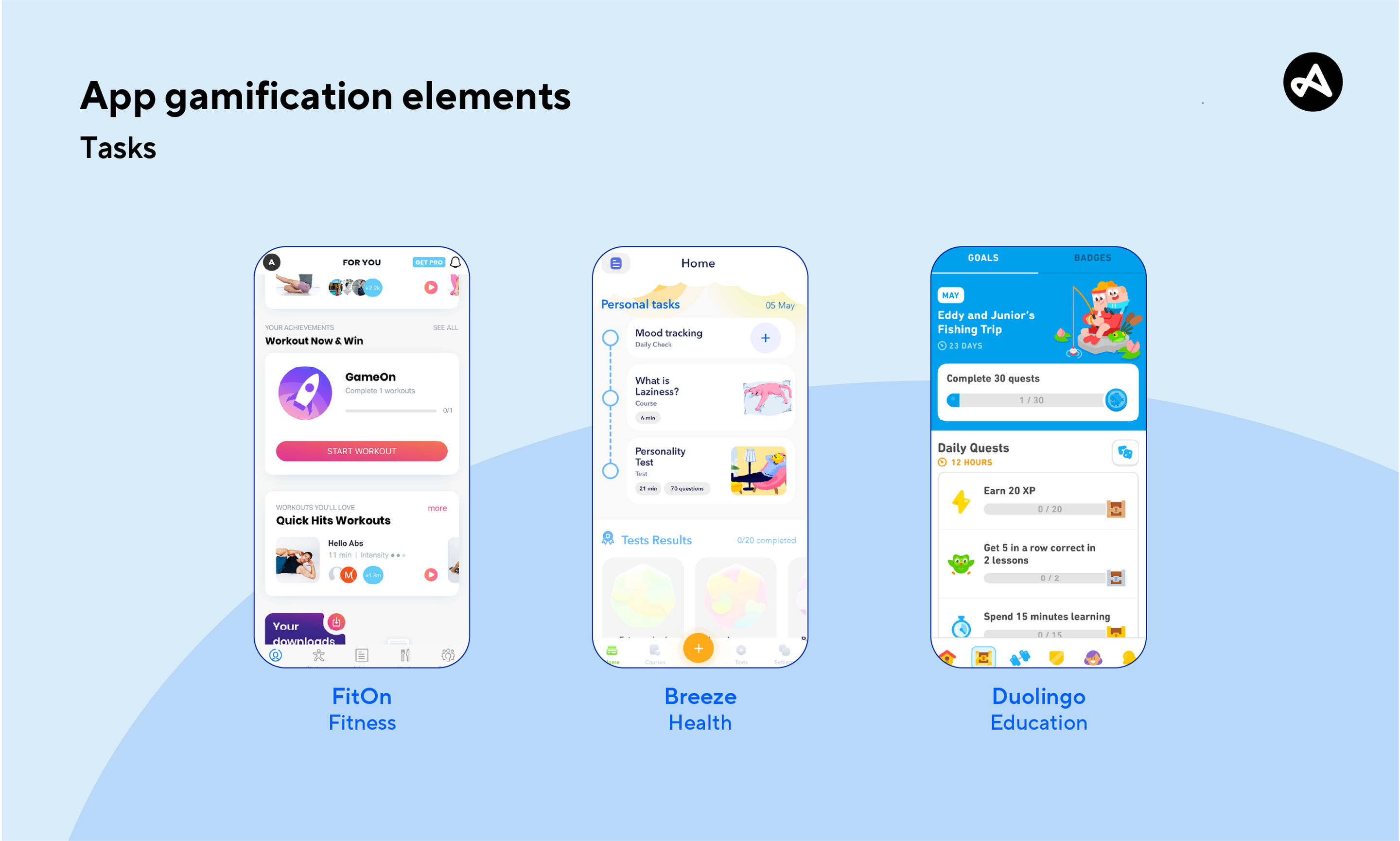
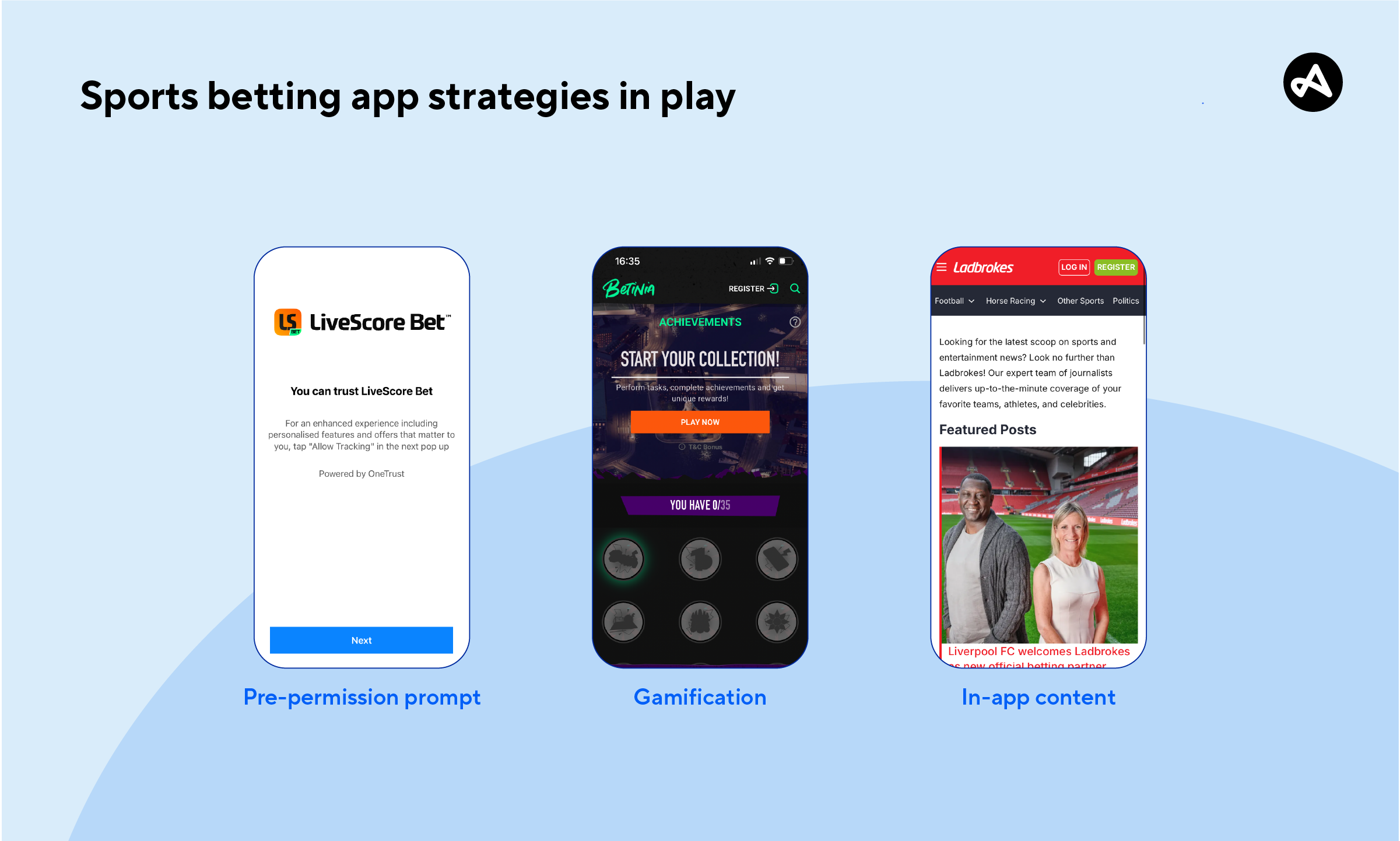
Outcome Salience in Player Recall

In the design of slot games, one of the critical factors influencing player experience and engagement is outcome salience. Outcome salience refers to the prominence and memorability of game results, whether positive or negative, and how these outcomes shape players’ perception of the game. A well-crafted approach to outcome salience ensures that players can easily recall wins, near-misses, and other meaningful events, which in turn affects their motivation to continue playing, their understanding of game fairness, and their overall emotional response.

The first element to consider in outcome salience is visual clarity. Symbols that represent wins should stand out immediately upon landing, through the use of distinct colors, animations, or other visual cues that draw the player’s attention. This does not mean overwhelming the interface with excessive flashing lights or chaotic movement, which can create cognitive fatigue. Instead, subtle yet unmistakable highlights, such as glowing borders around winning combinations, expanding symbols, or gentle bursts of animation, can enhance memorability without causing distraction. Near-misses, in contrast, can be represented with restrained visual cues that are noticeable but not overstated, allowing players to recognize the event without artificially inflating its perceived significance.

Sound design is another powerful tool for shaping outcome salience. Auditory signals associated with wins or near-misses help reinforce memory by engaging multiple senses. High-value wins can be accentuated with a richer, layered sound that rises in volume or pitch, while small wins might be accompanied by simpler tones. Near-misses can employ softer or more ambiguous sounds, creating a subtle emotional tension that players remember. Consistency in these auditory cues is crucial; players quickly learn to associate specific sounds with particular outcomes, reinforcing recall and shaping expectations.

Timing plays a significant role in how outcomes are processed and remembered. The moment a win occurs should provide sufficient pause or emphasis for the player to register the event consciously. This can be achieved through short animations that expand or highlight winning combinations, brief delays before automatically moving to the next spin, or transitional effects that visually reinforce the significance of the outcome. If outcomes are too fleeting, players may fail to encode the event into memory, reducing both emotional impact and engagement. Conversely, excessively prolonged emphasis can lead to frustration or break the flow of play. Striking a balance is therefore essential, giving enough space for recall without disrupting overall game rhythm.

Outcome salience also interacts with cognitive biases and decision-making processes. Players are more likely to recall and overestimate the frequency of wins that are highlighted prominently, which can influence their perception of luck and skill. Designers can leverage this by ensuring that high-salience outcomes are aligned with the intended payout structure and probability. However, ethical considerations must guide the use of salience; exaggerating the prominence of wins relative to their actual frequency can mislead players and contribute to problematic gambling behavior. Thoughtful design ensures that outcome salience enhances memory and enjoyment without distorting the perception of fairness.

The emotional dimension of outcome salience cannot be overlooked. Wins trigger positive affect, reinforcing the behavior of playing and generating satisfaction. Near-misses, when represented with restrained salience, can produce a mild frustration that motivates continued play without leading to significant negative emotion. Losses, while inevitable, should be designed to minimize harsh contrast and maintain engagement, for instance through small consolation animations or feedback that maintains a sense of control. By carefully modulating the salience of different outcomes, designers shape the emotional landscape of the session, promoting enjoyment while reducing cognitive overload.

Memory retention is further enhanced when outcomes are linked to contextual cues within the game. Unique symbols, thematic animations, or narrative elements that accompany wins make the events more distinctive and easier to recall. Players often remember specific combinations or events more vividly when they are integrated into the story or theme of the game. This strategy not only strengthens recall but also enhances the immersive quality of play, creating a cohesive experience where outcomes are both meaningful and memorable.

Interactivity can amplify outcome salience by allowing players to engage with wins or near-misses beyond passive observation. For example, small interactive elements, such as the option to collect bonus rewards or trigger mini-games after a significant win, provide an additional layer of attention and memory encoding. Even simple gestures, like pressing a celebratory button or seeing a symbol transform in response to the player’s input, can increase engagement and the memorability of outcomes. By incorporating interactivity thoughtfully, designers can reinforce salience without interrupting the natural flow of the game.

The placement of outcomes within the broader session structure also affects recall. High-value or emotionally charged results are more salient when they occur at strategic points, such as early in a session to capture attention, after a series of small wins to heighten contrast, or at the culmination of a bonus feature. Designers must consider the pacing and distribution of outcomes to maintain an optimal level of engagement and prevent fatigue. A well-paced sequence of salient events supports memory retention, encourages continued play, and enhances the perceived excitement of the session.

Finally, outcome salience contributes to player learning and expectation management. When players can recall past events easily, they develop a clearer understanding of the game’s rules, probabilities, and potential rewards. This transparency fosters trust and confidence in the platform, reducing frustration and the likelihood of misunderstandings. Salient feedback, both visual and auditory, reinforces learning by providing clear and immediate consequences for each spin, enabling players to adjust their strategies and expectations realistically.

In conclusion, outcome salience is a multifaceted design principle that profoundly affects player recall, emotional response, and engagement in slot games. Through carefully calibrated visual and auditory cues, timing, interactivity, thematic integration, and session pacing, designers can enhance the memorability of key outcomes, guiding attention and shaping player experience. Ethical application ensures that salience supports enjoyment, transparency, and fair play, rather than misleading perception. When executed effectively, outcome salience becomes a subtle yet powerful driver of sustained engagement, helping players remember and appreciate the meaningful moments within the game while maintaining trust and satisfaction.

Preference Formation in Early Play Stages

In the early stages of engaging with a game, whether it is a digital slot, a casual mobile game, or a more complex interactive experience, the formation of player preferences is a subtle yet critical process. These initial interactions lay the foundation for how a player perceives the game, what motivates continued engagement, and ultimately, what types of gameplay and rewards resonate most deeply. Understanding preference formation requires careful attention to player psychology, sensory feedback, and the balance between challenge and reward, all of which converge to shape initial impressions that can last well beyond the first few minutes of play.

At the outset, players approach a game with a set of expectations influenced by prior experiences, cultural cues, and design conventions familiar to their gaming history. These expectations act as a lens through which early interactions are interpreted. Even small details—such as the visual clarity of the interface, the responsiveness of controls, or the coherence of thematic elements—play a role in confirming or challenging these expectations. Players naturally gravitate toward features that align with their prior experiences, which creates an early bias toward familiar patterns of play. This is particularly pronounced in casual games where simplicity and accessibility are paramount, as the first impressions heavily guide whether a player feels comfortable exploring further or abandons the experience.

A critical element in preference formation is the feedback loop established through early rewards. The human brain is highly attuned to patterns of reinforcement, and games that provide timely and satisfying responses to player actions foster positive emotional associations. This can take the form of visual or auditory cues, progress indicators, or small wins that feel meaningful despite being modest in scale. Players interpret these early reinforcements as signals of what the game values and how skillful or lucky they need to be to succeed. Consequently, these signals help players form preferences for certain game mechanics, such as risk-reward structures, pacing, or even stylistic choices, because they offer immediate gratification and clarity in terms of expected outcomes.

The narrative and thematic context also heavily influence early preferences. Players are drawn to elements that evoke curiosity, humor, or a sense of mastery. Even without extensive gameplay, the way characters, environments, and storytelling are introduced can predispose players to favor certain paths or types of challenges. For example, an interactive tutorial that frames objectives in a narrative context can make early actions feel purposeful, enhancing intrinsic motivation and encouraging players to explore similar scenarios. This narrative framing works alongside sensory feedback to create a holistic first impression that guides preference formation without requiring conscious deliberation from the player.

Importantly, the balance between challenge and success in early play shapes how preferences solidify. Games that are too easy risk inducing boredom, whereas games that are initially too difficult can create frustration and disengagement. Players form preferences not only based on which tasks they enjoy, but also on their sense of competence and agency in interacting with the game world. A well-calibrated early experience offers tasks that are achievable yet stimulating, allowing players to feel a sense of accomplishment and reinforcing preferences for mechanics that support skill development, strategic thinking, or adaptive problem-solving.

Social and contextual factors also influence preference formation in the early stages. Multiplayer or community-based elements, even if only indirectly encountered, can guide players toward valuing certain types of interactions or competition. Observing leaderboards, shared achievements, or even community aesthetics can shape what players perceive as desirable and worth pursuing. Additionally, external contexts such as time of day, environment, or the player’s mood can subtly affect which aspects of a game are most engaging, as early experiences are often filtered through immediate emotional and situational factors.

Another aspect that contributes to early preference formation is the cognitive load imposed by the game. Games that present too many simultaneous options, complex interfaces, or ambiguous instructions can overwhelm players, leading to negative associations and a preference for simpler, more intuitive designs. Conversely, games that guide attention through clear cues, progressive introductions of new mechanics, and subtle reinforcement of desired behaviors help players develop a structured understanding of the game. This structured exposure allows players to discover their own preferences organically, as repeated interactions with accessible systems reveal what they enjoy and what they find less engaging.

Consistency in mechanics and presentation reinforces these preferences over time. When players encounter predictable rules, visual hierarchies, and feedback systems, they gain confidence in their ability to make meaningful choices. Early positive experiences with these consistent elements create a sense of reliability that strengthens attachment to the game. Conversely, inconsistencies or abrupt changes can disrupt emerging preferences, requiring players to adjust their expectations and potentially undermining initial engagement.

The role of experimentation in early stages is equally important. Players often test different strategies, styles, or options to gauge outcomes and personal resonance. Games that allow for low-risk experimentation enable players to explore without significant penalty, which fosters curiosity and supports preference formation. Players begin to gravitate toward mechanics that reward creative thinking, risk management, or particular strategic approaches, effectively encoding their preferred styles of interaction into long-term engagement patterns.

Ultimately, preference formation in early play stages is a dynamic interplay between player psychology, game design, and environmental context. The choices, feedback, challenges, and narratives presented initially act as a scaffold upon which lasting impressions are built. Designers who understand these processes can craft early experiences that not only engage but also shape preferences that encourage sustained interest and a deeper sense of connection with the game. By attending to the subtle cues, reinforcement patterns, and emotional resonances of initial gameplay, developers can create experiences that feel both immediately rewarding and inherently aligned with the player’s evolving tastes, setting the stage for prolonged engagement and meaningful interaction.

Numeracy Gaps in Probability Understanding

Understanding probability is a critical skill that underpins decision-making in many areas of life, from finance to health choices to everyday predictions. Despite its prevalence, there is a widespread numeracy gap that significantly affects how individuals perceive and interpret probabilistic information. Many people struggle to intuitively grasp the concepts of chance, likelihood, and risk, leading to misjudgments and sometimes costly mistakes. This gap is not necessarily a reflection of intelligence; rather, it highlights how probability is often taught abstractly, detached from practical experience. When numerical reasoning is underdeveloped, individuals are more susceptible to errors in judgment, such as overestimating rare events or underestimating common risks.

One common manifestation of numeracy gaps is in the misinterpretation of percentages and probabilities. For instance, people frequently confuse a 1% risk with a 1 in 100 chance, failing to appreciate the difference in context and cumulative effect. This can lead to both irrational fear and complacency. A classic example is medical statistics: when told that a test has a 5% false-positive rate, many patients incorrectly assume this is the probability that they themselves will test falsely positive, without considering the base rate of the condition in the population. Such misunderstandings are rooted in limited probabilistic reasoning and highlight the importance of education that emphasizes real-world applications.

Another factor exacerbating numeracy gaps is the way probability is presented. Abstract fractions, decimals, and percentages often obscure meaning for those less confident with numbers. People tend to respond better to natural frequencies, which express probability in terms of actual occurrences rather than abstract ratios. For example, explaining that “10 out of 1,000 people are likely to experience this side effect” is often more comprehensible than stating “there is a 1% chance of experiencing this side effect.” This approach leverages human intuition for concrete counts, bridging the gap between abstract calculation and everyday reasoning.

Cognitive biases also play a significant role in probability misjudgment. Availability bias, for instance, occurs when individuals assess the likelihood of an event based on how easily examples come to mind. Highly publicized rare events, like plane crashes or shark attacks, are often perceived as more probable than they actually are. Conversely, common risks such as car accidents or chronic illness may be underestimated because they occur more routinely and lack dramatic salience. Numeracy gaps make it harder for people to counter these biases with proper statistical reasoning, leaving them reliant on intuition, which is often misleading.

In addition to misjudging risk, numeracy gaps can lead to poor decision-making under uncertainty. In gambling, investments, or health interventions, understanding probability is key to evaluating expected outcomes. A person who cannot accurately assess the probability of a gain versus a loss may make decisions that appear rational emotionally but are statistically unsound. For instance, in financial investments, overestimating the chance of high returns can lead to riskier portfolios, while underestimating them may result in overly conservative strategies that limit growth. These consequences are particularly pronounced in complex probabilistic systems, such as derivatives or insurance products, where small misunderstandings can have amplified effects.

Educational interventions aimed at reducing numeracy gaps must address both conceptual understanding and applied reasoning. Traditional instruction focusing solely on mathematical formulas is insufficient; learners need exposure to practical scenarios that make probability meaningful. Interactive simulations, games, and decision-making exercises can cultivate intuition about randomness and variability. For example, repeatedly simulating dice rolls or coin flips allows learners to observe the law of large numbers in action, reinforcing the link between theoretical probability and empirical outcomes. Such experiential learning can help bridge the gap between abstract calculation and practical interpretation.

Furthermore, improving numeracy requires integrating probabilistic reasoning into daily contexts. People encounter uncertainty constantly, from weather forecasts to traffic delays, from health risks to financial choices. Explicitly connecting these everyday experiences with probability concepts reinforces understanding and encourages the habitual application of statistical thinking. For instance, analyzing the likelihood of rain in terms of clothing and travel decisions helps contextualize abstract percentages, making them personally relevant. When probability is framed in ways that affect tangible outcomes, learners are more motivated to engage with and internalize these concepts.

Technology can also be a powerful ally in addressing numeracy gaps. Visualizations, interactive dashboards, and decision support tools can clarify probabilistic information that would otherwise be difficult to interpret. Color-coded risk charts, probabilistic outcome trees, and scenario simulations help individuals see the consequences of uncertainty without requiring advanced calculations. These tools not only assist in decision-making but also reinforce understanding over time, gradually strengthening the cognitive skills needed to reason about probability.

However, technology alone is not a panacea. The underlying numeracy gap must be addressed through deliberate education and training. Misinterpretation of probability is often linked with low confidence in numerical skills, which can create avoidance behaviors, where individuals rely solely on intuition or authority figures rather than engaging with the data. Building competence and confidence simultaneously is essential. Instruction should scaffold learning, starting with simple probabilities and gradually introducing compound events, conditional probability, and expected value calculations. Alongside this, encouraging reflective thinking about decisions and outcomes promotes metacognition, which helps individuals recognize when their intuitive judgments may be misleading.

Finally, societal attitudes toward probability and numeracy play a role. In cultures where numerical literacy is not emphasized or where mathematics is seen as esoteric, gaps in understanding are more prevalent. Conversely, environments that encourage critical thinking, statistical reasoning, and transparent discussion of uncertainty foster stronger probabilistic intuition. Addressing numeracy gaps is therefore not merely a pedagogical challenge but a cultural one, requiring broad initiatives that value numerical literacy as a key life skill.

Reducing numeracy gaps in probability understanding has far-reaching implications. Better comprehension of chance enhances personal decision-making, improves public health outcomes, and fosters informed civic engagement. Whether it is evaluating medical risks, making investment decisions, or interpreting everyday statistics, a solid grasp of probability empowers individuals to act rationally under uncertainty. Bridging these gaps requires a combination of practical education, contextual application, cognitive support tools, and societal emphasis on numerical literacy. Only by addressing these factors can we ensure that individuals are equipped to navigate the complex probabilistic landscape of modern life with confidence and accuracy.

Numeracy in probability is not just about performing calculations; it is about thinking critically, making informed judgments, and understanding the limits of one’s knowledge. By recognizing and addressing the gaps that exist, educators, policymakers, and technology designers can create an environment in which probabilistic reasoning becomes a natural part of decision-making, reducing errors and fostering smarter, more deliberate choices across all aspects of life.

Marginal Utility Decline in Repetitive Play

In the realm of slot games, understanding player behavior requires a nuanced appreciation of marginal utility and how it evolves over time. Marginal utility, a concept borrowed from economic theory, refers to the additional satisfaction or pleasure a player experiences from each successive action, in this case, each spin of a slot machine. Initially, the novelty of the game and the anticipation of potential rewards generate a high level of engagement. Players feel a rush of excitement with the first few spins, their cognitive and emotional responses heightened by unpredictability and the allure of winning combinations. The sensory feedback—the flashing lights, celebratory sounds, and animated graphics—reinforces this initial pleasure, making the early stages of play particularly compelling.

However, as gameplay continues, the principle of diminishing marginal utility becomes evident. Each additional spin produces slightly less excitement than the previous one. The symbols on the reels become familiar, the outcomes predictable, and the thrill of near wins less potent. Even occasional wins begin to lose their impact, as the player’s brain adapts to the reward patterns. This decline is not merely psychological but also neurological. Dopamine, a neurotransmitter associated with reward and pleasure, spikes during the initial stages of play but gradually stabilizes, causing the highs to feel less intense. The repetitive nature of spins can create a plateau in emotional stimulation, where continued engagement no longer provides the same level of satisfaction as at the outset.

Game designers can counteract this decline through several strategic interventions. One approach is the introduction of variable rewards, where the frequency and magnitude of payouts are deliberately uneven. This unpredictability maintains engagement by keeping the player uncertain about the outcome of each spin. The occasional large win or bonus feature serves to temporarily reset the player’s perception of utility, creating a surge of pleasure that can override the steady decline. These bursts of reward, however, must be carefully balanced to avoid creating frustration or a sense of unfairness. If players perceive the reward system as arbitrary or unattainable, it can accelerate disengagement rather than prolong interest.

Another mechanism to manage declining marginal utility is the implementation of progressive challenges and features. Introducing new symbols, mini-games, or bonus rounds at intervals prevents the gameplay experience from becoming monotonous. These elements provide novelty and a sense of achievement, temporarily increasing the player’s perceived utility. Additionally, dynamic visual and auditory stimuli can refresh engagement by appealing to the player’s senses in varied ways. Subtle changes in color schemes, sound effects, and animations can break the pattern of predictability, making each session feel slightly different and sustaining interest over longer periods.

Understanding the role of session length is crucial in addressing marginal utility decline. Shorter sessions may preserve high levels of satisfaction, allowing players to consistently experience the initial excitement without enduring prolonged periods of diminishing returns. Long sessions, conversely, may exacerbate fatigue and reduce overall enjoyment. Effective game design often involves structuring sessions so that players can exit voluntarily at moments of peak utility, thereby leaving them with a positive impression and a higher likelihood of returning. This approach leverages the psychological principle of ending on a high note, maximizing perceived value while minimizing the negative effects of prolonged play.

The social context of gaming also interacts with marginal utility. Cooperative or competitive elements, such as leaderboards, tournaments, or shared achievements, can reinvigorate interest when solo play becomes repetitive. The presence of peers or the visibility of others’ progress introduces external validation and motivation, providing additional utility beyond the direct outcome of each spin. Players may derive satisfaction not solely from monetary or symbolic rewards but from social recognition, friendly rivalry, or the communal experience of shared events. This social layer can offset some of the declines associated with repetitive gameplay.

From a behavioral perspective, players themselves develop strategies to manage their own utility. They may introduce pauses, switch games, or vary bet sizes to manipulate the intensity of their engagement. Awareness of diminishing returns can lead to conscious choices that optimize enjoyment, such as alternating between high-risk, high-reward spins and more routine plays. Some players rely on the novelty of thematic changes or the anticipation of special events to maintain interest, demonstrating that perceived utility is influenced not only by in-game mechanics but by broader patterns of expectation and personal strategy.

In practical terms, tracking metrics such as session duration, frequency of play, and player retention can provide insights into how marginal utility unfolds across different player segments. Data-driven adjustments to game pacing, reward schedules, and feature deployment can be used to sustain engagement without overextending the player’s tolerance for repetition. Designers must balance the desire to maximize playtime with the necessity of respecting cognitive limits and maintaining positive associations with the game. Overexposure or excessive repetition can lead to boredom, frustration, or attrition, whereas well-timed interventions can prolong interest and satisfaction.

Finally, understanding marginal utility decline in repetitive play has ethical implications. Players are more susceptible to prolonged engagement when mechanisms exploit their diminishing sensitivity to rewards. Responsible design involves acknowledging these patterns and avoiding manipulative practices that encourage excessive play. Providing clear information about odds, incorporating self-limiting features, and offering breaks can help players maintain awareness of their own enjoyment and prevent negative outcomes. Recognizing the natural trajectory of utility decline allows both players and designers to create experiences that are engaging, satisfying, and sustainable over time.

In conclusion, marginal utility in slot play follows a predictable pattern of initial high engagement followed by gradual decline. Through thoughtful design strategies—variable rewards, progressive challenges, sensory variation, session management, and social integration—this decline can be managed to sustain interest and enjoyment. Players also actively shape their own experiences, adopting behaviors that optimize pleasure while mitigating fatigue. Understanding these dynamics is essential for creating gaming experiences that are both captivating and responsible, balancing the thrill of the game with awareness of human cognitive limits. By acknowledging the natural patterns of satisfaction and incorporating mechanisms to refresh and enhance utility, slot games can provide enduring entertainment while fostering a respectful and sustainable relationship with players.

Latency Sensitivity in Live Odds Consumption

In modern sports betting and live gaming platforms, latency sensitivity is a critical factor that influences both user experience and operational efficiency. The demand for instantaneous updates in live odds stems from the nature of the events themselves, where a single moment can shift probabilities and outcomes dramatically. Users expect a seamless flow of information that reflects the current state of the game, making any delay in odds presentation a potential source of frustration and mistrust. In this context, latency is not just a technical concern but a core component of user engagement and platform credibility.

Latency in live odds consumption primarily refers to the delay between an actual event occurring and the user seeing the updated odds reflecting that event. Even minor delays, measured in milliseconds, can compound into a perception of unreliability if the updates consistently lag behind real-time actions. For example, in fast-paced sports such as tennis, basketball, or esports, the outcome of a point or play can instantly change betting probabilities. If users are receiving outdated odds, their decisions are effectively based on inaccurate information, which can lead to dissatisfaction, loss of confidence, and ultimately reduced platform loyalty.

Platform architects must consider several layers where latency can arise. The first layer is data acquisition, where feeds from official sources, third-party data providers, or sensors are captured. Any inefficiencies or buffering at this stage can introduce the first delay. Following this, data processing occurs, where algorithms recalculate odds based on the latest inputs, factoring in live statistics, historical patterns, and user-generated data such as betting volumes. Processing delays here can be particularly pronounced if the system attempts to balance complexity with speed. The final layer is delivery to the client interface, where network performance, server response times, and device rendering all contribute to perceived latency. Each of these layers must be optimized to maintain near-instantaneous updates, particularly when platforms operate at a global scale with diverse network conditions.

The importance of low latency is magnified by the behavioral patterns of live bettors. Users often engage in micro-decisions, rapidly placing bets based on shifting odds. Their satisfaction is heavily tied to their ability to act on information before it becomes obsolete. Delays can disrupt this decision-making rhythm, causing hesitation or overcompensation, and can even create a sense of unfairness if competitors with faster connections gain a measurable advantage. This psychological impact is why leading platforms invest heavily in infrastructure that prioritizes speed without compromising accuracy. Caching strategies, edge computing, and geographically distributed servers are common techniques to reduce latency while maintaining consistency in data delivery.

Another dimension of latency sensitivity involves synchronization across multiple user devices and platforms. Inconsistent updates between mobile apps, desktop interfaces, and broadcast overlays can erode trust, as users may perceive discrepancies in odds even if the underlying data is accurate. Ensuring real-time consistency across all channels requires robust protocols for data propagation, conflict resolution, and error handling. Additionally, platforms often implement predictive smoothing to account for network jitter, providing a fluid user experience without sudden jumps in displayed odds, which could otherwise trigger anxiety or confusion.

From a technical standpoint, measuring and optimizing latency involves both quantitative and qualitative approaches. Metrics such as round-trip time, processing latency, and update frequency are critical, but they must be paired with user perception studies. Even technically low-latency systems can feel slow if the user interface introduces animation delays or visual inconsistencies. Therefore, designers must consider the human factors in latency perception, such as the responsiveness of touch inputs, the immediacy of visual feedback, and the clarity of odds changes. Subtle cues, like incremental animations or real-time highlighting of changes, can significantly enhance the perception of immediacy, even when absolute latency cannot be eliminated.

Risk management is also closely tied to latency sensitivity. Delayed odds can inadvertently expose the platform to financial discrepancies, as bets may be accepted based on outdated probabilities. Automated checks and rollback mechanisms are often employed to detect and correct such inconsistencies, but these add additional complexity that must be balanced against the imperative for speed. In high-frequency betting environments, even a few milliseconds of error propagation can have measurable impacts, making latency management a critical aspect of operational strategy.

The rise of mobile and global betting has heightened the need for adaptive systems that account for variable network conditions. Mobile users may operate over cellular networks with fluctuating bandwidth, while international users may contend with longer transmission paths and regulatory routing requirements. Dynamic adjustment of data delivery methods, such as selective prioritization of key updates or compression of non-critical information, helps maintain the perception of real-time accuracy even under suboptimal conditions. Platforms that fail to address these challenges risk alienating a portion of their user base that relies on reliable updates in fast-moving contexts.

Latency sensitivity also intersects with regulatory compliance and fair-play considerations. Authorities increasingly require transparent mechanisms for displaying accurate odds and resolving disputes arising from discrepancies. Platforms must therefore document and monitor latency performance, not only as a user experience concern but also to demonstrate adherence to legal standards. Auditable logs, timestamped feeds, and automated verification systems provide both operational insight and compliance assurance, reinforcing user trust.

Ultimately, the management of latency in live odds consumption reflects a convergence of technology, psychology, and operational governance. Effective platforms treat latency not merely as a network metric but as a central component of the betting experience, influencing engagement, trust, and perceived fairness. The technical measures—ranging from high-speed data pipelines and predictive algorithms to distributed edge infrastructure—must be continuously aligned with the evolving expectations of users who demand real-time accuracy and reliability. As live betting continues to grow in scale and sophistication, platforms that master latency sensitivity will differentiate themselves by delivering not just information, but confidence and immediacy, ensuring users feel fully in sync with the events as they unfold.

By prioritizing low-latency design, investing in adaptive infrastructure, and carefully considering human perception, platforms can transform the challenge of real-time odds delivery into a competitive advantage. Every millisecond matters, and attention to these details ultimately translates into higher engagement, increased satisfaction, and a stronger reputation in the crowded live betting landscape. The capacity to provide seamless, trustworthy, and rapid updates is no longer optional—it is a defining standard for success in modern live wagering environments.

Juxtaposition Influence in Market Comparison

In understanding market behavior, the concept of juxtaposition plays a crucial role in shaping consumer perception and influencing decision-making processes. Juxtaposition, in this context, refers to the side-by-side presentation of products, services, or brands in a way that highlights their differences and similarities, allowing consumers to draw comparisons more effectively. This technique leverages the natural human tendency to evaluate options relative to each other rather than in isolation. When markets strategically position competing offerings close together, they create a framework in which the relative strengths, weaknesses, and unique value propositions of each option become more apparent, guiding consumer judgment and potentially steering purchasing decisions.

The influence of juxtaposition is particularly evident in retail and e-commerce environments. For instance, when two similar products are displayed together—one at a premium price with enhanced features and the other at a lower price with basic features—consumers often perceive the higher-priced item as more valuable. This effect, known as the contrast principle, exploits the visual and cognitive comparison between the two offerings. By presenting options in close proximity, marketers encourage a deeper evaluation of features, quality, and price, nudging consumers toward choices that align with perceived value. This effect is amplified when subtle cues such as packaging, branding, or product placement emphasize differentiation, creating a more compelling narrative about the merits of one product over another.

Juxtaposition does not solely rely on pricing or product features; it also encompasses branding and emotional resonance. Brands often position themselves in contrast to competitors through advertising campaigns, slogans, or strategic partnerships. For example, a company might emphasize eco-friendliness, artisanal craftsmanship, or technological innovation to distinguish its offerings from mass-market alternatives. This side-by-side positioning enables consumers to anchor their evaluations, using one brand as a reference point to assess the other. Consequently, even small differences in quality, design, or ethical positioning can have a significant impact on consumer preference, because they are contextualized within a direct comparison rather than viewed in isolation.

Moreover, the psychological mechanisms underlying juxtaposition influence perception beyond conscious deliberation. Consumers often rely on heuristics, or mental shortcuts, when evaluating choices. The presence of a comparative context can amplify these heuristics, making certain attributes more salient. For instance, a smartphone displayed next to a high-end competitor may seem more affordable and practical, even if it is moderately priced in the broader market. Conversely, a luxury product placed beside a budget alternative may gain perceived prestige and desirability. This interplay between context and perception underscores the subtle power of juxtaposition in shaping judgments, suggesting that how products are presented can be as influential as their intrinsic attributes.

Juxtaposition also plays a vital role in digital marketplaces, where algorithms curate content and recommendations. Online platforms frequently use comparative displays to influence user behavior, presenting a primary product alongside alternatives that vary slightly in price, features, or user ratings. This not only encourages informed decision-making but also leverages social proof and scarcity cues. Users may interpret higher-rated or more expensive alternatives as indicators of superior quality, guiding their selections accordingly. The digital environment amplifies the effects of juxtaposition because the speed of comparison, the clarity of visual differentiation, and the accessibility of information create an efficient decision-making scaffold for consumers, reinforcing patterns observed in physical marketplaces.

The strategic deployment of juxtaposition also extends to service industries, including finance, hospitality, and subscription-based models. For instance, subscription services may display multiple tiers with varying benefits, encouraging users to evaluate trade-offs between cost and features. In financial products, juxtaposition between investment plans, insurance options, or banking services allows consumers to discern value propositions more clearly. By structuring choices in a comparative framework, companies reduce cognitive load and provide a reference point for decision-making, ultimately influencing uptake and satisfaction. The positioning of options is not arbitrary; careful attention to order, emphasis, and descriptive language can heighten the appeal of targeted offerings while diminishing less favorable alternatives.

However, the influence of juxtaposition is not limited to overt comparisons. Subtle contrasts in visual design, storytelling, and user experience can similarly shape perception. For example, a website featuring a modern, minimalist product next to a traditional, ornate alternative may elicit impressions of innovation versus heritage. Similarly, narrative framing in marketing—emphasizing sustainability, exclusivity, or convenience—creates implicit comparisons that affect how consumers evaluate options. These indirect forms of juxtaposition harness associative thinking, allowing audiences to make judgments based on conceptual or emotional contrasts rather than explicit product specifications, expanding the toolset available to marketers and strategists.

Juxtaposition also has implications for competitive strategy. Companies that understand the perceptual dynamics of side-by-side comparison can position themselves effectively to maximize appeal. This may involve highlighting distinctive strengths, mitigating perceived weaknesses, or strategically aligning with complementary brands. In crowded markets, such differentiation is critical for capturing attention and guiding preference. Furthermore, by anticipating competitor positioning, firms can proactively adjust pricing, design, or messaging to create favorable contrast, subtly shaping the reference frame through which consumers evaluate all available options.

Consumer awareness of juxtaposition can, paradoxically, influence its effectiveness. Savvy buyers may recognize deliberate contrasts designed to nudge preferences, prompting a more analytical evaluation process. While this can reduce susceptibility to certain biasing effects, it also opens opportunities for transparent, value-based marketing strategies that build trust. By combining clear communication, evidence of quality, and contextual framing, brands can harness juxtaposition not just as a manipulation tool but as a way to enhance consumer understanding and confidence, fostering long-term loyalty and satisfaction.

In summary, juxtaposition exerts a powerful influence on market comparisons, shaping consumer perception, judgment, and decision-making. Through the strategic presentation of alternatives, businesses can highlight relative strengths, create cognitive contrast, and guide choices without overt persuasion. This effect operates across product, service, and brand dimensions, leveraging both conscious evaluation and subconscious heuristics. Whether in physical retail, online marketplaces, or service offerings, juxtaposition functions as a critical tool for differentiation, value communication, and competitive positioning. By carefully curating comparative contexts, marketers can facilitate informed, confident decisions while subtly shaping preferences, ultimately enhancing both consumer satisfaction and business performance. The nuanced understanding of juxtaposition underscores its centrality in modern market strategy, demonstrating that the relative presentation of choices can be as impactful as the intrinsic qualities of the options themselves.

Inertia Effects in Session Continuation

In modern digital experiences, understanding the subtle forces that influence user behavior is essential. One of these forces, often overlooked but profoundly impactful, is inertia. Inertia, in the context of session continuation, refers to the tendency of users to maintain their engagement patterns once they have begun interacting with a platform or application. This phenomenon is rooted in cognitive psychology and behavioral science, suggesting that once users start an activity, they are more likely to continue it, provided that the environment does not introduce friction or disruption. Recognizing and leveraging these inertia effects can significantly enhance session length, user satisfaction, and long-term retention.

The concept of inertia in session design is not merely about keeping users occupied; it is about creating a seamless flow that aligns with natural cognitive rhythms. Users often enter sessions with a specific mental model, expectations, and goals. If the interface, interactions, and feedback mechanisms are consistent with these expectations, users experience minimal cognitive friction. This smoothness reinforces the continuation of activity, as each completed action builds a small but cumulative sense of momentum. Conversely, if the experience interrupts this flow—through abrupt transitions, confusing navigation, or excessive loading times—users encounter resistance that disrupts inertia, increasing the likelihood of session abandonment.

Designing for inertia requires careful attention to session architecture. One approach involves structuring tasks and interactions into logically coherent sequences that naturally guide the user from one step to the next. For example, in content consumption platforms, this might manifest as curated recommendations, autoplay sequences, or incremental content reveals that gently encourage continued engagement without forcing it. In interactive applications, task chaining—where one action seamlessly leads to another—can sustain momentum. The key principle is to minimize decision fatigue by reducing unnecessary choices, allowing users to remain immersed in their current activity.

Feedback loops are another critical element in supporting inertia. Immediate, clear, and contextually relevant feedback strengthens the user’s perception of progress and achievement. When a user sees the tangible outcome of an action, whether through visual confirmation, score increments, or subtle haptic feedback, the sense of movement is reinforced, and inertia builds. Delays or ambiguous feedback, on the other hand, introduce cognitive gaps that can break the chain of engagement. Even minor inconsistencies in response time or visual signaling can accumulate, weakening the natural tendency to continue a session.

Session continuity is also influenced by environmental cues and habitual triggers. Users often rely on contextual hints to maintain their engagement patterns, such as progress indicators, timers, or persistent notifications of pending tasks. These cues serve as gentle nudges, reminding users of their current activity state and encouraging the next step. In gaming, for instance, streak counters or energy meters subtly motivate players to extend their sessions. In learning applications, tracking completion percentages or suggesting “next modules” taps into the user’s intrinsic desire to maintain momentum and complete a visible progression.

Another factor is personalization and adaptability. Users are more likely to continue sessions when the system anticipates their preferences and needs. Dynamic adjustments—such as adapting difficulty levels, content variety, or interface layouts—reduce friction and keep users within their comfort zone while still offering subtle challenges. By maintaining an optimal level of engagement difficulty, the platform ensures that users neither feel overwhelmed nor bored, sustaining inertia. Personalization, however, must remain unobtrusive; overt manipulation can trigger resistance and break the continuity effect.

Importantly, the temporal rhythm of interaction plays a role in inertia effects. Users are sensitive to pacing; rapid sequences without pauses can cause fatigue, while overly slow interactions may lead to disengagement. Effective session design incorporates a cadence that feels natural, providing moments of micro-reward or reflection while maintaining forward momentum. In digital media, this could be achieved through segmenting content into digestible units, spacing interactive elements appropriately, and using animation and transition timing to convey continuity. Each element contributes to a subtle perception of motion, even in a static interface, reinforcing the user’s inclination to keep going.

Inertia is also closely tied to cognitive investment. The more mental effort a user has invested in a session, the stronger the inertia becomes. This explains why users often persist after overcoming initial learning curves or solving early challenges. The sunk effort—both cognitive and emotional—creates a psychological commitment to continue. Platforms that facilitate early wins and gradual mastery capitalize on this effect, as each success not only delivers immediate satisfaction but also strengthens the user’s drive to maintain engagement.

However, designers must balance inertia with the need for user autonomy. Excessive attempts to extend sessions artificially can backfire, leading to frustration and negative sentiment. Inertia should emerge organically from the quality of the experience, not from manipulative tactics such as endless loops, opaque reward systems, or intrusive prompts. Transparent design that respects user agency ensures that extended engagement feels voluntary and rewarding rather than coerced.

Data-driven insights can help optimize inertia effects by revealing where users naturally pause, disengage, or accelerate their activity. Analytics on session duration, sequence completion rates, and interaction drop-off points inform targeted adjustments in interface flow, feedback timing, and content structuring. Iterative testing allows designers to refine these parameters, creating an environment where natural inertia aligns with platform goals while maintaining user satisfaction.

In conclusion, inertia effects in session continuation are a subtle yet powerful driver of engagement. By understanding how cognitive momentum, task sequencing, feedback loops, environmental cues, personalization, pacing, and cognitive investment interact, designers can create experiences that naturally encourage continued participation. Effective use of inertia does not rely on manipulation but on fostering an environment that reduces friction, reinforces progress, and aligns with users’ intrinsic patterns of behavior. When implemented thoughtfully, inertia transforms ordinary sessions into sustained, satisfying experiences that benefit both the user and the platform.

Generalization Errors in Outcome Memory

Humans have an incredible capacity to remember past experiences, yet our memory is far from perfect. One area where this imperfection is particularly evident is in the way we recall outcomes from various events, especially in decision-making scenarios. Generalization errors in outcome memory occur when we inaccurately remember the results of our past actions, often blending different experiences or attributing outcomes to the wrong causes. These errors can influence how we make choices in the future, sometimes leading to patterns of behavior that seem irrational but are deeply rooted in the quirks of human memory.

Memory, by nature, is reconstructive rather than reproductive. When we attempt to recall a past event, we do not retrieve a flawless recording of what happened; instead, we reconstruct the experience based on fragments stored in our brain. This reconstruction process is influenced by context, prior knowledge, emotions, and expectations. As a result, we may overgeneralize outcomes, remembering them as more extreme or consistent than they actually were. For instance, if someone tries a new restaurant and enjoys the food, they may generalize that all similar restaurants will also provide a pleasurable experience. Conversely, a single negative experience can be remembered as part of a broader pattern, leading to avoidance behaviors even when statistically most similar events are neutral or positive.

One common manifestation of generalization errors is the overestimation of rare outcomes. When a highly unusual or emotionally charged event occurs, such as winning a large prize or experiencing a major setback, it tends to leave a stronger imprint on memory. People then may generalize this outcome to similar situations, believing that such results are more likely than they are in reality. For example, a gambler who wins a significant amount on a single bet may overestimate the probability of future wins, while another person who suffers a rare financial loss may avoid certain investments altogether. These distortions are not simply errors in statistical reasoning; they are deeply tied to the way our memory encodes salient events and attaches meaning to them.

Emotional valence plays a significant role in shaping these errors. Memories associated with strong emotions, whether positive or negative, are often exaggerated in the process of recall. A joyful outcome may be remembered as more frequent or significant than it was, reinforcing optimistic expectations and risk-taking behavior. Similarly, a distressing outcome may loom larger in memory than warranted, encouraging caution or avoidance. Over time, this emotional amplification can create a feedback loop, where memory and behavior continuously reinforce each other, often in ways that deviate from objective reality. This interplay between emotion and memory generalization helps explain why some people develop persistent biases toward risk-seeking or risk-averse behaviors.

Another contributing factor to generalization errors is the conflation of similar experiences. Human memory often abstracts common features from multiple events to form generalized schemas. While these schemas are efficient for guiding behavior and understanding patterns, they can introduce errors when individual outcomes are inaccurately merged. For instance, a person recalling multiple job interviews may conflate the questions asked or the feedback received, leading them to believe they performed consistently poorly or exceptionally well. This blending of experiences can shape future expectations, sometimes causing individuals to approach new opportunities with unwarranted confidence or hesitation.

Cognitive biases further compound these generalization errors. Confirmation bias, for instance, leads people to recall outcomes that support their preexisting beliefs more readily than those that contradict them. If someone believes they are lucky, they may selectively remember successful outcomes while overlooking failures, reinforcing an inflated sense of probability in favorable results. Similarly, the hindsight bias can make past outcomes seem more predictable than they were, leading to overgeneralized lessons and misinformed decision-making. These biases, interacting with the reconstructive nature of memory, make it difficult to accurately assess the likelihood of future events based solely on past experiences.

Contextual factors also influence how outcomes are generalized. The circumstances under which an event is encoded and later recalled affect its integration into memory. Changes in environment, mood, or cognitive load can alter the salience of particular outcomes, making some more memorable than others. A decision made under stress may be remembered differently than the same decision made in a calm setting, leading to generalized expectations that do not fully align with reality. Social influences similarly affect memory generalization; hearing about others’ experiences or observing their reactions can reshape one’s own recollection, further contributing to errors in outcome memory.

The implications of generalization errors in outcome memory are profound, particularly in domains where accurate recollection is critical. In finance, healthcare, education, and gambling, overgeneralized memories can lead to repeated mistakes or missed opportunities. For instance, investors may overestimate the success of a particular market strategy due to memorable but atypical outcomes, while patients might misremember the effects of a treatment based on anecdotal reports or emotional experiences. Understanding these errors is essential for designing interventions that promote better decision-making, such as training programs that emphasize statistical reasoning, reflective practice, and awareness of cognitive biases.

Mitigating generalization errors requires strategies that encourage more accurate memory encoding and recall. One approach is to promote detailed, context-rich recording of outcomes, whether through journaling, structured reflection, or digital tracking tools. By preserving the specific circumstances and results of past actions, individuals can reduce the reliance on abstracted memories and schemas that tend to introduce generalization errors. Another approach is to cultivate metacognitive awareness, encouraging people to critically evaluate their recollections and recognize the influence of emotions, biases, and conflated experiences. This reflective process helps individuals disentangle vivid or emotionally charged outcomes from the broader pattern of events, leading to more balanced decision-making.

Repeated feedback and experience can also counteract overgeneralization, particularly when outcomes are variable or stochastic. Experiencing a wide range of results and receiving corrective information helps recalibrate memory and expectation, reducing the impact of exceptional events that would otherwise dominate recall. Over time, this exposure supports more nuanced generalizations, allowing individuals to develop strategies that are informed by realistic assessments rather than distorted memories. In organizational settings, promoting collective reflection on outcomes, including failures and successes, can further enhance accurate memory encoding and prevent the institutionalization of generalized errors.

In conclusion, generalization errors in outcome memory are a natural consequence of the reconstructive, emotionally influenced, and schema-driven nature of human memory. These errors arise from the tendency to overemphasize salient events, conflate similar experiences, and integrate outcomes into simplified patterns that may not reflect reality. While they can lead to biased decision-making and repeated mistakes, understanding the mechanisms behind these errors provides a pathway for mitigation. Through detailed recording, metacognitive reflection, feedback, and exposure to varied experiences, individuals can improve the accuracy of their outcome memory, leading to more informed, balanced, and adaptive behavior. Recognizing the limits of memory and the propensity for generalization errors is the first step toward developing strategies that enhance decision-making and reduce the influence of distorted recollections.

Heuristic Dependence in Rapid Betting Decisions

In fast-paced betting environments, players often rely on heuristics—mental shortcuts—to make rapid decisions. These heuristics allow individuals to simplify complex information, enabling them to act quickly under conditions of uncertainty. While this approach can be efficient, it also introduces systematic biases and predictable patterns in player behavior that both operators and psychologists can observe and analyze. Understanding how heuristic dependence operates in rapid betting decisions is crucial for designing responsible gaming interfaces and for guiding players toward more informed choices.

One of the most common heuristics in rapid betting is the representativeness heuristic. Players may evaluate the likelihood of a particular outcome based on how similar it seems to previous outcomes rather than on actual statistical probability. For instance, a gambler may assume that a streak of wins increases the chance of a subsequent win or, conversely, that a losing streak signals that a win is imminent. This belief, often referred to as the “gambler’s fallacy,” illustrates how reliance on pattern recognition can distort objective understanding of random events. Operators who understand this bias can design interfaces that subtly remind players of odds and probabilities, helping to counteract misperceptions without reducing engagement.

Another key heuristic is the availability heuristic, where players base decisions on easily recalled information rather than comprehensive data. Recent wins, memorable bets, or emotionally charged events tend to dominate a player’s perception of likelihood and risk. This can lead to disproportionate confidence in certain bets and underestimation of risk in others. In rapid betting contexts, where decisions are made under time pressure, availability-driven assessments often outweigh careful probability calculation. Designers aiming for responsible gaming experiences may incorporate visual or auditory cues that normalize odds, reduce the impact of recency bias, and encourage momentary reflection before a bet is placed.

Anchoring also plays a significant role in rapid betting. Players often rely on the first piece of information they receive—such as a suggested wager amount or the initial odds display—and adjust subsequent decisions relative to this anchor. For example, if the interface presents a recommended bet of $10, players may perceive this as the standard or rational amount, even if their budget or risk tolerance suggests otherwise. Anchoring effects demonstrate how interface design, numerical prompts, and contextual framing can influence rapid betting behavior, highlighting the importance of thoughtful presentation and default settings that respect player autonomy.

Fast betting also accentuates the role of affective heuristics, where emotions heavily influence decision-making. Excitement, frustration, or the anticipation of reward can override rational assessment, pushing players toward riskier bets or repetitive patterns. In rapid decision-making, the brain favors speed over accuracy, making affective responses particularly potent. Designers and responsible gaming specialists must consider how visual stimuli, sounds, and reward pacing can amplify these emotional responses and, in turn, heuristic reliance. Tools such as cooldown timers, subtle feedback, or gentle prompts to reflect can mitigate impulsive actions driven purely by affect.

Loss aversion is another heuristic frequently observed in rapid betting contexts. Players tend to weigh potential losses more heavily than equivalent gains, leading to strategies aimed at recouping previous losses rather than optimizing long-term outcomes. This heuristic can drive “chasing” behavior, where bettors increase wager amounts after losses, often compounding risk. Recognizing this pattern, operators may integrate safeguards, such as session reminders or limits, to interrupt cycles of loss-chasing while maintaining a supportive experience.

The concept of familiarity also informs rapid betting heuristics. Players gravitate toward options they know or have used before, perceiving them as safer or more predictable. This can limit exploration of alternative bets and create repetitive patterns that may not align with optimal strategy. Familiarity heuristics explain why certain games or betting options consistently attract attention despite similar or lower expected value alternatives. Designers can balance the comfort of familiarity with opportunities for informed experimentation, using gradual exposure to new bets or contextual guidance that clarifies risk without overwhelming the player.

Cognitive load is a critical factor influencing heuristic reliance. Under conditions of rapid betting, players often face complex information streams, including changing odds, multiple betting options, and dynamic game states. Heuristics serve to reduce cognitive strain by providing a simplified decision pathway. However, excessive reliance can exacerbate errors, particularly when the available information is incomplete or misleading. Interfaces designed to manage cognitive load—through clear layout, intuitive grouping, and timely feedback—help players maintain a more balanced decision-making process while still supporting fast action.

Social heuristics also emerge in rapid betting contexts. Observing peer behavior, community trends, or leaderboard positions can shape a player’s perception of normal or successful betting strategies. Players may mimic high-performing or visible bettors, assuming that these actions carry greater probability of success. This dependence on social cues can accelerate decision-making but may reinforce herd-like behavior, which is not always statistically optimal. Responsible design may include anonymized examples, aggregate statistics, or delayed social feedback to prevent overreliance on immediate peer actions.

Temporal discounting further influences rapid betting heuristics. Players often prioritize immediate rewards over long-term outcomes, valuing the instant thrill of a bet more than potential cumulative gains. This preference for short-term payoff interacts with other heuristics, such as affective responses and loss aversion, creating a potent mix that drives rapid, emotionally charged betting decisions. By understanding temporal discounting, operators can design pacing mechanisms and feedback loops that promote healthier engagement without undermining entertainment value.

Finally, repeated exposure to heuristic-driven decision-making can create feedback loops that reinforce biases. Successful outcomes, even if rare or lucky, validate reliance on particular mental shortcuts, increasing their influence over future bets. Over time, players develop habitual patterns rooted in heuristic dependence, which may be resistant to statistical correction. Recognizing this, educational tools, transparent probability displays, and adaptive feedback mechanisms can provide corrective input that helps players recalibrate expectations and maintain better control over their rapid betting decisions.

In sum, heuristic dependence is a fundamental feature of rapid betting behavior, shaped by representativeness, availability, anchoring, affective responses, loss aversion, familiarity, cognitive load, social cues, and temporal discounting. While heuristics enable efficiency and speed, they also introduce predictable biases and vulnerabilities. Effective interface design, responsible gaming interventions, and educational tools can moderate these influences, supporting players in making faster decisions that remain informed, reflective, and aligned with both their risk tolerance and long-term goals. Recognizing the interplay of heuristics in rapid betting is essential not only for player satisfaction and safety but also for maintaining the integrity and sustainability of the betting experience.

Expectation Drift Across Multiple Play Cycles

Expectation drift across multiple play cycles is a subtle but critical concept in understanding player engagement in interactive games, particularly in slot-based environments. This phenomenon occurs when a player’s perception of game outcomes gradually diverges from the actual statistical probabilities due to repeated exposure, experiences, and emotional reactions to wins and losses. Unlike a single session, where outcomes are often interpreted in isolation, multiple play cycles create a temporal context where expectations evolve, sometimes in ways that are difficult for the player to consciously recognize. This drift can influence decision-making, risk assessment, and overall satisfaction, making it an essential consideration for designers and regulators alike.

At the core of expectation drift is the interplay between probability and perception. Players initially form expectations based on early experiences, often heavily influenced by visible patterns, anecdotal memory, or initial reinforcement. For example, if a player encounters several near-misses or small wins early on, they may overestimate the likelihood of achieving similar outcomes in subsequent spins. This perceptual inflation can persist even if the actual probabilities remain unchanged, subtly steering behavior toward increased wagering, longer play durations, or attempts to chase perceived patterns. Over multiple cycles, the cumulative effect of these skewed perceptions can become significant, often resulting in a mental model that diverges from statistical reality.

The psychological mechanisms underlying expectation drift are multifaceted. Cognitive biases, such as the gambler’s fallacy, hot-hand belief, and availability heuristic, play a critical role. The gambler’s fallacy can lead a player to believe that a losing streak increases the chances of a win in the near future, while the hot-hand belief fosters the perception that a streak of wins is likely to continue. Meanwhile, the availability heuristic amplifies the impact of recent or particularly memorable outcomes, skewing overall expectations. Over repeated play cycles, these biases accumulate, reinforcing expectations that may not align with the actual game design or odds. Emotional factors, including excitement, frustration, or regret, further influence these perceptions, intensifying the drift.

Expectation drift is not inherently negative; in fact, it can be leveraged to enhance engagement and sustain interest. Thoughtful design can harness mild drift to create a sense of progression, anticipation, or reward without misleading players about the underlying probabilities. For example, structured variability in outcomes—such as controlled frequency of small wins interspersed with occasional larger rewards—can maintain excitement while reinforcing engagement across sessions. Transparent feedback mechanisms, including clear payout histories, probability indicators, and explanatory messaging, help players calibrate their expectations more accurately, reducing the risk of excessive drift and potential dissatisfaction.

Understanding expectation drift also requires examining the temporal dimension of play. Short-term sessions emphasize immediate feedback, while multiple cycles introduce memory effects and long-term pattern recognition. Players begin to anticipate trends based on past experiences, sometimes attributing meaning to random sequences or interpreting outcomes as indicative of skill or strategy. This temporal layering makes drift more pronounced and more difficult to correct. Designers must therefore balance the reinforcement of positive engagement with safeguards against unrealistic expectations that could lead to frustration, excessive play, or disengagement when reality inevitably diverges from perceived patterns.

From a research perspective, measuring expectation drift involves both quantitative and qualitative approaches. Quantitative data, such as play frequency, bet sizes, win/loss ratios, and response times, can reveal patterns of behavior indicative of drifting expectations. Qualitative insights, gathered through surveys, interviews, or observational studies, provide context for understanding player perceptions, emotional responses, and subjective interpretations of outcomes. Combining these approaches allows for a nuanced understanding of how drift emerges, persists, and can be moderated effectively.

Expectation drift has implications beyond individual games. In platforms with multiple game types or cross-channel experiences, drift can transfer from one context to another, creating cumulative effects that influence overall engagement patterns. A player accustomed to frequent small wins in one game may carry inflated expectations into a more volatile game environment, resulting in misalignment between anticipated and actual outcomes. Recognizing this cross-context influence enables developers to design coherent systems that manage expectations consistently, promoting satisfaction and trust across multiple touchpoints.

Mitigating excessive expectation drift requires a careful blend of design strategy, player education, and transparency. Clear presentation of rules, odds, and reward structures helps anchor expectations in reality. Visual and auditory feedback that emphasizes outcomes without exaggerating significance supports accurate interpretation. Progressive reward systems that balance unpredictability with fairness maintain engagement while limiting the formation of unrealistic anticipatory models. By actively considering expectation drift during iterative design and testing, developers can create experiences that are stimulating, fair, and cognitively sustainable for players across multiple cycles of play.

Ethical considerations are closely intertwined with managing expectation drift. Platforms have a responsibility to prevent misleading perceptions that could lead to harm, such as excessive risk-taking or compulsive behaviors. Incorporating mechanisms that allow players to reflect on past outcomes, monitor cumulative spending, and set personal limits encourages informed decision-making and reduces the likelihood of negative consequences. Regulatory frameworks increasingly emphasize transparency, player protection, and responsible game mechanics, highlighting the importance of understanding expectation drift not only as a design factor but also as a component of broader ethical practice.

Ultimately, expectation drift underscores the dynamic nature of player experience. It illustrates that engagement is not merely a function of individual outcomes but of the evolving relationship between perceived probabilities, emotional reactions, and accumulated experiences over time. Designers who account for drift can craft systems that sustain interest, provide meaningful feedback, and support responsible play. Conversely, neglecting this phenomenon risks disengagement, frustration, and erosion of trust, emphasizing the centrality of expectation management in creating long-term, satisfying game experiences. Properly understood, expectation drift becomes both a challenge and an opportunity—a lens through which the complexity of repeated interactive experiences can be navigated, offering insights into how humans perceive, anticipate, and respond to sequences of probabilistic events over extended engagement cycles.

This ongoing interplay between perception, probability, and repetition forms the foundation for designing games that respect player cognition, maintain excitement, and deliver consistent experiences over time. By monitoring patterns, adjusting reinforcement structures, and embedding transparency into the system, developers can harness expectation drift constructively, transforming a potential source of confusion into a mechanism for sustained engagement and satisfaction across multiple play cycles.

Framing Bias in Promotional Messaging

Framing bias in promotional messaging is a subtle yet powerful influence on consumer perception and decision-making. It refers to the way information is presented—either highlighting positive outcomes or emphasizing potential losses—which can significantly shape how a message is received. Unlike outright deception, framing bias works within the bounds of truth, but strategically selects which aspects to emphasize, thereby guiding interpretation. For marketers and communicators, understanding this cognitive bias is essential for crafting effective campaigns, while for consumers, recognizing it can enhance decision-making awareness.

One of the most common forms of framing in marketing is positive framing. Positive framing emphasizes benefits, gains, or favorable outcomes. For instance, a promotional message might state, “Join now and increase your savings by 20%,” focusing on what the consumer stands to gain. The brain responds more favorably to gains framed in this manner, often producing a sense of excitement and optimism. Research in behavioral economics and psychology shows that people tend to prefer choices framed positively, as they associate such framing with opportunity and reward. This can increase engagement and willingness to participate in the promoted activity, whether it involves purchasing a product, subscribing to a service, or entering a loyalty program.

Conversely, negative framing draws attention to risks, losses, or the consequences of inaction. A promotion using negative framing might read, “Failing to act could cost you 20% more.” This taps into the human tendency known as loss aversion, where losses are perceived as more psychologically significant than equivalent gains. Negative framing can create urgency, prompting quicker decisions as consumers seek to avoid potential losses. While effective in certain contexts, overuse of negative framing can backfire, generating anxiety or resistance rather than motivating action. Striking the right balance between positive and negative framing is therefore critical to maintain credibility and trust with the audience.

Framing bias also extends to the choice of language and visual presentation. Words like “free,” “guaranteed,” or “exclusive” create a frame that highlights advantages and can trigger positive emotional responses. On the other hand, terms such as “limited time” or “don’t miss out” emphasize scarcity and potential regret. The arrangement of information plays a role as well; presenting the benefits first can create a halo effect, making the product or offer seem more valuable, whereas leading with potential drawbacks may heighten caution or skepticism. Color, typography, and imagery further reinforce the framing, subtly guiding attention to certain aspects over others.

An illustrative example of framing bias in practice is the marketing of insurance products. Policies can be framed in two ways: one emphasizing protection and peace of mind, the other highlighting the financial consequences of being uninsured. Both statements are true, yet the framing shapes consumer perception. The former framing appeals to security and emotional reassurance, while the latter leverages fear of loss. Each approach taps into different psychological triggers and can influence purchase behavior differently. Marketers often test multiple frames to identify which resonates most effectively with target segments, a process known as A/B testing in digital campaigns.

The impact of framing bias is not limited to individual decisions; it can influence social norms and collective behavior. Promotional campaigns for health products, for example, can frame messages in terms of personal benefit or community impact. “Vaccinate to protect yourself” focuses on individual gain, while “Vaccinate to protect your community” emphasizes social responsibility. The framing chosen can shift attitudes and behaviors in measurable ways, highlighting how powerful subtle messaging strategies can be. Understanding these dynamics is crucial not only for marketing effectiveness but also for ethical considerations, ensuring that framing does not manipulate in a way that exploits cognitive vulnerabilities.

Framing bias interacts with pre-existing beliefs and expectations. Consumers with strong prior preferences may interpret a framed message differently than those who are undecided. For instance, an environmentally conscious audience may respond more positively to framing that highlights sustainability benefits, while others may be more sensitive to cost savings or convenience. This interplay between framing and audience segmentation underscores the need for tailored messaging that considers both cognitive biases and demographic or psychographic characteristics.

Digital marketing amplifies the effects of framing bias through highly personalized campaigns. Algorithms track user behavior, preferences, and engagement patterns, allowing messages to be framed in ways that maximize influence. A user who frequently clicks on promotions emphasizing savings may receive more gain-framed messages, whereas another who responds to urgency cues may encounter scarcity-framed content. This micro-targeting leverages framing bias at an individual level, enhancing conversion rates but also raising ethical questions about the extent to which subconscious biases are being exploited.

Consumers can mitigate the influence of framing bias by developing awareness and critical thinking skills. Recognizing when messages are selectively emphasizing certain aspects can help individuals evaluate offers more objectively. Techniques such as comparing alternative frames, seeking neutral sources of information, and reflecting on emotional responses can reduce susceptibility. Educating consumers about cognitive biases in marketing can empower them to make decisions based on full information rather than reactive impressions created by strategic framing.

From a business perspective, ethical framing can enhance brand reputation. Transparent communication that acknowledges both benefits and potential drawbacks fosters trust, even if it means tempering short-term gains. Brands that prioritize honesty while leveraging framing in a balanced manner are more likely to cultivate long-term loyalty, as consumers perceive them as reliable and respectful of their decision-making autonomy. Framing, when used responsibly, becomes not just a tool for persuasion but also a means of aligning messages with values and fostering informed choices.

In conclusion, framing bias in promotional messaging is a nuanced mechanism that influences perception, decision-making, and behavior. Through the strategic emphasis of gains, losses, or specific language cues, marketers shape how information is interpreted without altering factual content. Positive and negative framing, language choices, visual presentation, and audience segmentation all contribute to the effectiveness of this bias. While powerful, framing must be applied ethically to maintain trust and avoid manipulation. For consumers, awareness and critical evaluation are essential defenses, enabling informed decisions amidst the persuasive designs of modern marketing. By understanding framing bias, both marketers and consumers can navigate promotional messaging with insight, ensuring that communication serves clarity and transparency rather than exploiting cognitive vulnerabilities.

Disengagement Triggers in Extended Sessions

Extended sessions in digital platforms, especially in gaming or interactive environments, carry unique challenges for sustaining user engagement. Disengagement can occur gradually and often subtly, triggered by a combination of cognitive fatigue, diminishing novelty, and poorly paced interaction. Users may begin a session with high focus and enthusiasm, yet as time progresses, mental energy depletes, attention spans shorten, and the initial motivations for engagement can weaken. Understanding the mechanisms behind these disengagement triggers is essential for designing systems that maintain prolonged interest without causing frustration or boredom.

One primary factor in extended session disengagement is cognitive overload. Platforms that demand continuous decision-making, problem-solving, or multitasking can strain mental resources. Users are likely to experience decision fatigue when faced with frequent, complex choices, leading to slower responses, mistakes, or complete withdrawal from the activity. Even when content is compelling, excessive information or a rapid pace of tasks can overwhelm users’ processing capabilities, diminishing the satisfaction that initially drove engagement. Designers must carefully balance challenge and simplicity, providing opportunities for meaningful interaction without overloading cognitive capacity.

Another common trigger is a perceived lack of progress or reward. Humans are naturally motivated by clear feedback and the sense that effort leads to tangible outcomes. In extended sessions, users may encounter plateaus where incremental gains become less apparent. Repetition of similar tasks without sufficient variation or the absence of milestones can make the experience feel stagnant. This can erode motivation, as users no longer see the value in continuing. To mitigate this, dynamic progression systems, visible indicators of achievement, and periodically refreshed content can help maintain a sense of advancement and accomplishment.

Environmental and interface-related factors also contribute significantly to disengagement. Poorly designed user interfaces that are cluttered, unintuitive, or visually fatiguing can accelerate disengagement. Extended sessions increase the likelihood of eye strain, mental fatigue, and frustration stemming from interface inefficiencies. Consistent layout, clear visual hierarchy, and accessibility features can reduce these strains, allowing users to focus on the content rather than navigating cumbersome controls. Additionally, excessive or poorly timed notifications can interrupt flow, triggering disengagement by diverting attention or creating stress.

Emotional and psychological factors play a critical role as well. Extended sessions can induce boredom if novelty diminishes, or conversely, anxiety if challenges become too unpredictable or demanding. Users may disengage when emotional states shift away from enjoyment, curiosity, or satisfaction. Careful modulation of difficulty, variety in stimuli, and pacing of interactive events can sustain positive emotional engagement. Providing users with periods of reflection, optional breaks, or low-stakes tasks can help manage emotional load and prevent burnout.

Social dynamics influence engagement patterns, particularly in interactive or multiplayer environments. Prolonged exposure without meaningful social interaction can lead to feelings of isolation, reducing motivation to continue. Conversely, highly competitive or toxic social environments may create stress or frustration, also prompting disengagement. Systems that foster balanced, supportive social interaction and offer mechanisms for managing social pressure can help users remain engaged over extended periods. This includes features such as team play, cooperative challenges, or moderated communication channels that encourage positive interaction while minimizing conflict.

Personalization and user control are pivotal in mitigating disengagement. Allowing users to adjust pace, difficulty, or the type of activities they engage with can empower them to manage their energy and interest levels. Extended sessions are less likely to result in disengagement when users feel a sense of autonomy and can tailor their experience to align with personal preferences and current cognitive capacity. Adaptive systems that respond to user performance, engagement signals, or behavioral patterns can dynamically offer challenges that match the user’s state, reducing frustration and maintaining attention.

Temporal factors also contribute to disengagement. The length of continuous engagement without adequate rest breaks can significantly impact attention and motivation. Even when content is highly engaging, prolonged uninterrupted interaction can lead to fatigue. Scheduled pauses, optional rest periods, or micro-breaks incorporated into the experience can prevent cognitive and emotional depletion. Encouraging brief reflection or simple recovery tasks helps preserve mental energy and sustain interest over long sessions.

External environmental influences, including physical comfort and contextual distractions, are often overlooked but crucial. Users in noisy, uncomfortable, or distracting settings are more likely to disengage regardless of platform quality. Extended sessions exacerbate sensitivity to these factors, as discomfort accumulates over time. Platforms that encourage or remind users to optimize their physical environment—such as adjusting lighting, seating, or sound—can indirectly improve engagement longevity.

Monitoring and analyzing disengagement patterns provides actionable insights for prevention. By tracking metrics such as interaction frequency, response latency, error rates, and voluntary session termination, designers can identify critical points where users are most likely to disengage. This data enables the implementation of interventions, such as adaptive content delivery, pacing adjustments, or motivational prompts, precisely when users are at risk of disengaging.

Ultimately, preventing disengagement in extended sessions requires a holistic understanding of cognitive, emotional, social, and environmental factors. Effective design anticipates fatigue, boredom, and frustration, embedding mechanisms that sustain motivation, manage cognitive load, and support user well-being. By balancing challenge, novelty, and rest, platforms can extend meaningful engagement without sacrificing user satisfaction, ensuring that longer interactions remain rewarding rather than exhausting. In this context, sustained engagement is less about keeping users continuously active and more about maintaining an experience that respects cognitive limits, emotional states, and personal agency, transforming potential disengagement triggers into opportunities for reinforcement and renewal.

Bracketing Effects in Stake Selection

In gambling and decision-making contexts, bracketing effects play a critical role in shaping how individuals approach stake selection, influencing both risk perception and behavioral outcomes. Bracketing refers to the cognitive strategy where people group or separate decisions in ways that affect their willingness to assume risk. In stake selection, this means that a player may treat a series of bets as a single, aggregated decision or as separate, independent choices, with the framing affecting their perceived risk and potential reward. Understanding the bracketing effect allows for deeper insights into why players often deviate from purely rational models and how their betting patterns can be predicted or guided in both casual and professional gambling environments.

When players adopt a broad bracketing approach, they consider multiple stakes collectively. For example, a gambler placing ten individual bets of $10 each may mentally aggregate these as one $100 commitment. This broad perspective can lead to more conservative decision-making because the total potential loss becomes more salient, encouraging players to minimize overall risk. Broad bracketing encourages a form of risk averaging, where the player is more sensitive to the cumulative effect of losses rather than isolated outcomes. It promotes strategic thinking that balances potential gains with total exposure, making it less likely for a player to make impulsive, high-risk bets that might seem tolerable when considered individually.

Conversely, narrow bracketing occurs when a player treats each stake independently, evaluating the risk and reward of each decision in isolation. In this scenario, the emotional and cognitive weight of potential losses is reduced, since the focus is on a single, immediate outcome rather than the aggregated risk. Narrow bracketing often leads to higher risk-taking behavior because the potential downside of one bet feels manageable, even if the cumulative risk across multiple bets is substantial. Players may feel more confident in experimenting with larger or more uncertain stakes when each decision is mentally separated from the others. This framing can create a sense of immediate excitement and engagement, driving impulsive betting behavior that would be mitigated under broad bracketing.

Research on bracketing effects demonstrates that players’ risk preferences are highly sensitive to context. When stakes are bracketed broadly, individuals often display loss aversion, emphasizing the avoidance of overall negative outcomes. The fear of a cumulative loss can override the appeal of potential gains, leading to more cautious behavior and systematic stake management. On the other hand, narrow bracketing can exaggerate the allure of small, frequent wins, promoting a gambler’s optimism and willingness to accept risks that seem isolated and non-threatening. This divergence in behavior underscores the importance of framing in stake selection, as the same objective probabilities and payouts can be perceived differently depending on whether bets are considered individually or collectively.

Another important factor is the interplay between cognitive load and bracketing. Broad bracketing requires the player to maintain an awareness of cumulative risk, which involves tracking multiple outcomes and integrating them into a single mental representation. This cognitive effort can moderate impulsivity and encourage more disciplined betting patterns. Narrow bracketing, by simplifying the decision to a single event, reduces mental load, potentially increasing emotional reactivity and the influence of short-term impulses. The balance between cognitive demand and emotional reward is therefore central to how bracketing effects manifest in stake selection. Players who are highly focused and reflective may naturally adopt broad bracketing strategies, whereas those seeking immediate excitement may gravitate toward narrow bracketing, highlighting the personal and situational variability in gambling behavior.

The design of gambling interfaces and environments can also shape bracketing effects. Platforms that display cumulative statistics, account balances, or aggregated bet histories can encourage broad bracketing by making the total stakes more salient. Conversely, interfaces emphasizing individual rounds, quick spins, or isolated outcomes may promote narrow bracketing, heightening the perception of each bet as a standalone decision. Understanding these design influences allows operators to guide player behavior subtly, aligning risk-taking tendencies with desired engagement patterns or responsible gaming practices. For instance, showing players the potential cumulative loss of multiple bets upfront can nudge them toward more cautious stake selection, reinforcing broad bracketing principles.

Bracketing effects also intersect with emotional responses to wins and losses. Under narrow bracketing, a single win can be disproportionately rewarding, increasing confidence and encouraging subsequent riskier bets. The emotional high is experienced independently of prior losses, which may remain psychologically segregated due to the isolated framing. Broad bracketing, in contrast, blends emotional reactions across multiple bets, tempering the highs and lows by embedding individual outcomes within a larger context. This can foster a more stable emotional response, reducing extreme swings in behavior and promoting sustained engagement without escalating risk exposure.

Training and education in risk management often exploit bracketing insights. Players who are taught to aggregate decisions mentally are more likely to implement self-imposed limits and maintain disciplined bankroll management. Recognizing the cognitive distortions introduced by narrow bracketing helps individuals understand why they may chase losses or overestimate their control in sequential betting scenarios. By consciously adopting a broad bracketing mindset, players can achieve a better alignment between subjective perceptions and objective probabilities, improving decision quality and fostering long-term satisfaction with their gaming experience.

Ultimately, bracketing effects reveal that stake selection is not merely a function of mathematical probabilities but is deeply influenced by cognitive framing, emotional processing, and contextual presentation. Broad and narrow bracketing each produce distinct patterns of risk behavior, shaping how players experience gambling and make decisions. A nuanced understanding of these effects provides valuable guidance for both players seeking to manage risk effectively and for designers aiming to create engaging yet responsible gaming environments. By appreciating how the mind segments or aggregates stakes, stakeholders can promote strategies that enhance enjoyment while mitigating the likelihood of detrimental betting behaviors.

In conclusion, the bracketing effect is a pivotal factor in how players approach stake selection. It mediates the perception of risk, guides emotional responses, and influences strategic choices in both immediate and aggregated contexts. Recognizing the interplay between broad and narrow bracketing offers actionable insights for gamblers, educators, and game designers alike, emphasizing that the framing of decisions can be as influential as the numerical odds themselves. Stake selection, therefore, is as much a psychological exercise as it is a statistical calculation, and bracketing provides the lens through which this dynamic becomes intelligible and actionable.

Compression Artifacts in Information Dense Interfaces

In modern digital experiences, information-dense interfaces have become increasingly common, providing users with access to complex data, multiple tools, and rich media all within a single screen. These interfaces, often seen in financial dashboards, analytics platforms, and professional productivity software, aim to maximize functionality without requiring excessive navigation. However, as the amount of information presented increases, designers face a growing challenge: compression artifacts. While traditionally associated with images and video, the concept of compression artifacts extends to the cognitive and perceptual distortions that occur when interfaces are overloaded with content. Understanding and mitigating these artifacts is critical for maintaining clarity, usability, and user trust.

Compression artifacts in information-dense interfaces manifest in various ways, often resulting from the need to condense complex data into a limited visual space. One common manifestation is visual clutter, where multiple elements compete for attention, reducing the perceptual salience of key information. This can occur when tables, graphs, and icons are tightly packed without sufficient spacing, creating a dense visual field that overwhelms the user’s cognitive capacity. Users may struggle to identify trends or prioritize tasks, leading to errors or slower decision-making. Designers often attempt to mitigate this through hierarchical organization, grouping related information, and employing whitespace strategically to create breathing room between elements.

Another form of artifact is cognitive compression, where the mental processing required to interpret condensed or abstracted data becomes taxing. Interfaces may present summarized or aggregated information, such as small multiples of charts or dashboards with numerous metrics. While these condense large datasets effectively, they place a cognitive load on users who must infer context, relationships, and anomalies. This can lead to misinterpretation or missed insights, particularly for users who are less familiar with the domain or the interface. Providing interactive details-on-demand or offering multiple layers of data granularity can help alleviate cognitive compression, allowing users to explore information progressively without being overwhelmed initially.

Typography and labeling also contribute to compression artifacts. When space is limited, text may be truncated, use condensed fonts, or rely on abbreviations and acronyms. These solutions save space but introduce potential ambiguity. Users may struggle to understand the meaning of shortened labels, leading to misreading or hesitation. Consistent labeling conventions, tooltips, and hover states can reduce this problem, allowing users to access full contextual information without sacrificing the compact layout. Additionally, designers must balance font size, weight, and color contrast to maintain readability, especially for users with visual impairments.

Color and visual encoding are essential tools for conveying information in dense interfaces, yet they too can introduce artifacts if misapplied. Overuse of colors or visual effects like shadows and gradients can obscure patterns or create false associations, akin to visual noise. Conversely, overly minimal palettes may fail to differentiate important data points, causing users to overlook critical details. Effective design requires careful color theory application, using contrast, saturation, and hue strategically to highlight key information while maintaining overall harmony. Furthermore, consistency in color coding across interface components reduces the likelihood of misinterpretation, ensuring that users can reliably map visual cues to underlying data semantics.

Interaction design plays a pivotal role in managing compression artifacts. Interactive filtering, sorting, and search functionalities allow users to manipulate dense datasets dynamically, reducing the need to present all information simultaneously. Progressive disclosure, where additional details are revealed based on user actions, can prevent cognitive overload while maintaining access to necessary depth. Tooltips, modals, and expandable panels support this approach, giving users control over the interface density and reducing the perception of clutter. These interaction patterns also enhance user confidence, as they reinforce a sense of mastery over complex information spaces rather than leaving users feeling lost.

Feedback mechanisms are another crucial consideration. In dense interfaces, errors or delays are more noticeable and impactful due to the high concentration of information. Providing immediate, clear, and context-sensitive feedback helps users understand system responses and maintain situational awareness. Visual cues such as highlighting changes in real-time data, animation for state transitions, or subtle alerts for critical events allow users to track updates without cognitive strain. Feedback thus mitigates the artifact of perceptual ambiguity, ensuring that users can interpret changes accurately even in a high-density environment.

Performance and responsiveness are technical aspects that influence compression artifacts as well. Rendering large datasets, high-resolution charts, or multimedia content can introduce latency, frame drops, or incomplete loading, which distort the interface presentation. Such artifacts can erode trust, as users may perceive the system as unreliable or error-prone. Optimizing backend data processing, leveraging asynchronous loading, and using progressive rendering techniques ensure that the interface remains smooth, preserving both clarity and the fidelity of information.

Lastly, user testing and iterative design are essential for identifying and addressing compression artifacts. Even well-planned layouts may fail in practice if real users encounter difficulties interpreting the data or navigating the interface. Observational studies, heatmaps, and usability testing can reveal areas where information density impedes comprehension. Iteratively refining the interface based on these insights helps designers balance richness with clarity, minimizing artifacts that compromise the user experience. A user-centered approach ensures that compression techniques enhance usability rather than simply squeezing more information into limited space.

In conclusion, information-dense interfaces demand careful attention to the artifacts created by visual, cognitive, and technical compression. Designers must balance the need for compact, feature-rich layouts with the user’s capacity to perceive, interpret, and act on information. Through thoughtful organization, clear typography, strategic color use, interactive controls, responsive feedback, and performance optimization, it is possible to reduce the negative impact of compression artifacts. Ultimately, the goal is to create interfaces that empower users to efficiently process complex data, make informed decisions, and maintain confidence in the system, even when faced with high-density information environments. The careful management of compression artifacts thus becomes a cornerstone of effective, user-centered interface design, ensuring that richness does not come at the cost of clarity or comprehension.

Anchoring Shifts in Bonus Perception

In the realm of slot gaming, the perception of bonuses and rewards is often shaped less by their absolute value and more by the context in which they are presented. Anchoring, a cognitive bias where individuals rely heavily on the first piece of information encountered, plays a significant role in how players evaluate bonus offers. When a player encounters a new bonus, whether it is free spins, multipliers, or cash credits, the initial presentation sets a mental reference point. This reference point can dramatically influence subsequent perceptions, even if the actual value of the bonus is relatively modest. Game designers who understand this phenomenon can craft experiences that feel more rewarding without necessarily increasing the underlying payout, leveraging human psychology to enhance engagement.

Players often assess the value of a bonus by comparing it to what they have seen before or what they expect to receive. For instance, a bonus of 50 free spins may feel substantial if the player’s previous experience involved smaller offers of 10 or 20 spins. Conversely, the same 50-spin bonus may seem underwhelming if the player has recently encountered offers of 100 spins. This shift in perceived value, driven by anchoring, highlights the importance of sequencing and presentation. Developers can strategically place higher-value bonuses after smaller ones to maximize the sense of gain, creating a perception of generosity that may encourage longer gameplay sessions and deeper engagement.

Moreover, the framing of bonus offers also interacts with anchoring effects. Presenting a bonus as a multiple of the player’s stake can anchor expectations differently than a flat reward. For example, framing a bonus as “triple your bet” anchors the player to their initial wager, making the bonus feel proportionally larger. In contrast, a fixed bonus amount may be anchored against prior bonuses seen in the interface or advertised elsewhere. The language, visuals, and timing all contribute to the anchoring process, subtly guiding the player’s perception of value. This demonstrates that the design of bonus systems is not merely a matter of numerical calculation but also a psychological exercise in perception management.

Temporal factors further influence anchoring in bonus perception. Early exposure to a particular type of bonus can set a long-lasting reference point that colors the player’s experience throughout the session. If a player encounters a large multiplier early, subsequent smaller bonuses may feel less exciting, even if they are objectively worthwhile. Conversely, introducing smaller bonuses first can make later, larger rewards appear even more significant. This sequencing effect is a deliberate tool in session design, as it allows designers to modulate excitement and maintain a balance between anticipation and reward. By carefully planning the order and magnitude of bonuses, developers can maintain player interest without creating fatigue or diminishing returns.

The interplay between expectation and outcome is also critical in shaping the perception of bonuses. Players form anticipations based on previous experience, advertised offers, and interface cues. When an actual bonus aligns with or slightly exceeds these expectations, it is perceived positively, enhancing satisfaction and reinforcing engagement. However, if a bonus falls short of the anchored expectation, even if it is objectively valuable, it may feel disappointing. This illustrates the dual nature of anchoring: it can amplify perceived value when well-managed but can also create dissatisfaction if misaligned with expectations. Designers must therefore carefully calibrate bonuses to the context in which they are presented, ensuring that the anchor sets a reasonable and desirable reference point.

Social comparisons further complicate anchoring effects in bonus perception. Many modern slot platforms include features that display recent wins or highlight top rewards among other players. These social anchors influence individual perception by providing an external reference frame. A bonus that seems modest in isolation can appear more valuable when contrasted with typical player outcomes or historical performance metrics. Conversely, a highly visible large bonus that is rarely attainable may create unrealistic anchors, leading to frustration or disengagement. Designers must therefore strike a balance between leveraging social proof to enhance perceived value and avoiding the creation of anchors that are too extreme or unattainable.

Visual and auditory cues reinforce the anchoring process by making bonuses more salient and memorable. Animations that emphasize the size or rarity of a bonus, celebratory sounds, and highlighted interface elements draw attention and create a cognitive reference point. Players often encode these sensory signals alongside numerical values, forming a composite anchor that influences subsequent evaluations. The more vividly a bonus is presented, the more it shapes the mental reference frame. This effect underscores the importance of holistic design, where aesthetic elements are aligned with psychological principles to maximize perceived value and engagement.

Anchoring also interacts with risk perception in bonus-driven play. Players may be more willing to place higher bets or continue spinning when a bonus is framed in a way that creates a favorable anchor. For instance, seeing a large bonus achieved by another player or an exaggerated display of potential winnings can anchor risk expectations, making players more comfortable with moderate risk-taking. This interplay between reward perception and risk tolerance highlights the subtle ways in which anchoring shapes behavior, influencing not only how bonuses are evaluated but also how players engage with the underlying game mechanics.

Furthermore, adaptive systems that tailor bonus presentation to player behavior can manipulate anchors dynamically. By monitoring a player’s historical engagement and preferences, platforms can adjust bonus sequences, framing, and visual emphasis to maintain optimal perception. Early-session bonuses can be calibrated to set favorable anchors, mid-session rewards can reinforce engagement, and end-of-session bonuses can leave a lasting impression that encourages return play. This dynamic approach allows designers to maintain perceived value and excitement across sessions, leveraging anchoring as a continuous tool rather than a static element.

Finally, understanding anchoring in bonus perception underscores the ethical responsibility of game designers. While anchoring can enhance engagement and satisfaction, it must be balanced with transparency and fairness. Players respond positively to rewards that feel meaningful and attainable. Misleading anchors or exaggerated presentations may create temporary excitement but can erode trust and long-term retention. Designers who integrate anchoring thoughtfully, providing clear, consistent, and contextually appropriate reference points, foster a positive gaming environment where bonuses feel rewarding, gameplay is engaging, and player satisfaction is sustained.

Anchoring shifts in bonus perception are therefore a powerful, multifaceted phenomenon. They are shaped by sequencing, framing, social cues, sensory presentation, risk perception, and adaptive systems. Understanding and leveraging these factors allows developers to enhance player experience without altering underlying payouts, creating a sense of reward and excitement that drives engagement, satisfaction, and long-term loyalty. By carefully considering the psychological mechanisms behind anchoring, slot platforms can design bonus systems that feel both generous and fair, cultivating an environment where players are motivated, informed, and positively engaged throughout their gaming journey.

Yield Interpretation in Volatile Betting Scenarios

In volatile betting scenarios, understanding yield is crucial for managing risk and maintaining long-term profitability. Yield, often expressed as a percentage, represents the ratio of net profit to the total amount staked. While seemingly straightforward, yield interpretation becomes complex when outcomes fluctuate unpredictably, as it directly reflects both performance and risk exposure. Bettors must distinguish between short-term variance and long-term trends to avoid misleading conclusions about their strategy’s effectiveness.

High volatility in betting markets often results in irregular streaks of wins and losses. In such environments, a positive or negative yield over a brief period may not accurately represent the underlying efficiency of a betting strategy. For instance, a bettor could experience a series of high-value wins that inflate yield temporarily, giving the impression of a highly profitable system, only for subsequent losses to offset gains over time. Conversely, short-term negative yields may obscure a fundamentally sound approach that will achieve favorable results over a larger sample size. Therefore, contextualizing yield within the time frame and volume of bets is essential.

Another factor complicating yield interpretation is the size and frequency of wagers. In volatile markets, some bettors increase stake sizes after losses or wins, a behavior often referred to as the “martingale effect” or “progressive staking.” While this can amplify yield during winning streaks, it also magnifies losses, potentially resulting in large negative swings that distort yield calculations. Evaluating yield without considering stake management can lead to an inaccurate assessment of a strategy’s sustainability, making risk-adjusted metrics such as the Sharpe ratio or Kelly criterion valuable tools for interpretation.

The odds offered in volatile markets also play a significant role in yield evaluation. Higher odds may indicate higher risk and potential return, yet the probability of success is lower, increasing the likelihood of yield fluctuations. For example, a series of bets on long-shot outcomes may yield impressive short-term gains when successful, but the low probability of these outcomes often produces extended periods of negative yield. Conversely, low-risk bets with modest odds might show consistent but smaller yields. A comprehensive interpretation of yield requires analyzing the distribution of odds, understanding how they correlate with potential returns, and recognizing that extreme outcomes can skew short-term results.

Variance and standard deviation are critical statistical concepts for interpreting yield in volatile scenarios. High variance indicates that results are widely dispersed, which is typical in unpredictable markets. Standard deviation measures the average deviation from the mean yield and provides insight into how much fluctuation one can expect. A bettor with a strategy that exhibits high variance may experience frequent swings above and below the average yield, making patience and a long-term perspective essential. Without accounting for variance, a single snapshot of yield can be misleading, potentially causing premature changes to otherwise profitable strategies.

Psychological factors also influence yield interpretation. The emotional response to volatility can lead bettors to overreact to temporary swings, either becoming overconfident during positive streaks or overly cautious during losses. This behavior can alter betting patterns and, consequently, affect yield in ways unrelated to the strategy’s inherent quality. Maintaining a disciplined approach, documenting outcomes, and reviewing yield over extended periods are necessary practices to mitigate the impact of cognitive biases. Traders who can separate emotion from statistical evaluation are better equipped to make informed decisions in volatile environments.

Furthermore, external market factors, such as sudden changes in conditions, unexpected events, or shifts in public sentiment, can cause temporary yield distortions. For instance, in sports betting, an underdog’s victory due to unforeseen circumstances may generate a short-term yield spike for some bettors. In financial or prediction markets, abrupt volatility caused by geopolitical events can similarly affect yield calculations. Recognizing these exogenous influences is important because they may temporarily enhance or depress yield without reflecting the intrinsic quality of the underlying betting strategy.

Long-term yield analysis should involve aggregating results across numerous bets and time periods to reduce the noise inherent in volatile scenarios. Cumulative yield charts, moving averages, and trend analysis help highlight sustainable performance versus random fluctuation. By comparing actual yield against expected yield, bettors can assess whether deviations are within reasonable variance or indicate a need for strategy adjustments. Such analysis emphasizes that yield is not static; it evolves with market conditions, betting behavior, and risk exposure, requiring ongoing evaluation.

The interplay between risk and reward is central to yield interpretation. In volatile markets, higher potential returns are typically accompanied by greater risk, leading to wider swings in yield. A high yield achieved through high-risk bets might be impressive initially but could be unsustainable, while moderate yields generated from lower-risk approaches may provide steadier long-term growth. Evaluating yield alongside risk metrics, such as maximum drawdown or volatility-adjusted returns, provides a clearer picture of strategy robustness.

In summary, yield in volatile betting scenarios is a multifaceted indicator that requires careful interpretation. Short-term gains or losses can misrepresent a strategy’s effectiveness due to inherent variance, stake management practices, and market dynamics. Statistical measures, long-term tracking, risk-adjusted evaluation, and psychological discipline are all essential components for understanding yield meaningfully. By contextualizing yield within a broader framework that includes probability, risk, and market volatility, bettors and traders can make informed decisions, balance expectations, and improve the likelihood of sustained success in unpredictable environments. Yield is not merely a number; it is a reflection of strategy efficiency, risk tolerance, and adaptive decision-making under uncertainty, and understanding it deeply is fundamental to thriving in high-volatility betting contexts.

Weighting Mechanisms in Probability Assessment

In the study of probability assessment, weighting mechanisms play a critical role in shaping how information is interpreted and decisions are made under uncertainty. These mechanisms provide a structured approach to prioritize, emphasize, or adjust different elements within a probabilistic model, allowing for a more nuanced and accurate representation of real-world scenarios. The core idea is that not all outcomes, events, or data points contribute equally to the overall assessment, and by applying weights, one can better capture the relative importance of various factors. This becomes especially relevant in fields such as finance, risk management, healthcare, and artificial intelligence, where the stakes of incorrect probability estimates are high and the underlying systems are complex.

Weighting mechanisms begin with the recognition that probabilities themselves are inherently subjective in many applied contexts. While classical probability relies on symmetry and frequency interpretations, practical applications often require integrating expert judgment, prior knowledge, or observed data trends. In this context, a weighting mechanism can act as a bridge between theoretical models and practical intuition. For example, consider a medical diagnostic tool evaluating the likelihood of a disease based on multiple symptoms. Certain symptoms may be more indicative of the disease than others; by assigning higher weights to more critical indicators, the model better reflects clinical reality and improves predictive accuracy. This process transforms raw data into a structured, decision-ready framework that accounts for varying levels of significance across inputs.

The mathematics behind weighting mechanisms can be diverse. A common approach is linear weighting, where each factor is multiplied by a predetermined coefficient reflecting its importance before summing to produce a combined probability estimate. This method is straightforward and interpretable, making it useful in contexts where transparency is essential. However, linear weighting may fail to capture interactions between factors or non-linear effects. To address this, more sophisticated mechanisms, such as exponential weighting or logistic transformations, can be used. Exponential weighting, for instance, emphasizes extreme outcomes more heavily, which can be particularly valuable in risk-sensitive domains like finance or disaster modeling. Logistic weighting allows for smooth transitions between low- and high-probability regions, accommodating scenarios where the relationship between variables is inherently non-linear.

Another critical aspect of weighting mechanisms is their adaptability. In dynamic systems, the relevance of different factors may change over time, and static weights can quickly become outdated. Adaptive weighting strategies adjust the importance of factors based on evolving evidence or performance feedback. In machine learning, for example, ensemble methods often employ adaptive weighting to combine predictions from multiple models. Models that consistently perform better are given higher weights, enhancing the ensemble’s overall predictive power. Similarly, in sequential probability updating, Bayesian methods implicitly use weighting by integrating prior beliefs with new evidence, effectively assigning relative importance to historical and current information.

Weighting mechanisms also address human cognitive biases in probability assessment. People often overestimate the likelihood of dramatic or recent events while underestimating mundane but probable occurrences. By formalizing weights based on empirical data or structured expert judgment, systems can correct for these tendencies, promoting more rational decision-making. In behavioral economics, for instance, probability weighting functions are used to model how individuals perceive and distort probabilities. These functions often exhibit over-weighting of small probabilities and under-weighting of large ones, reflecting the nonlinear perception of risk common in human psychology. Incorporating such insights into probabilistic models ensures that the resulting assessments align more closely with actual human behavior, which is crucial in applications like insurance, investment, and policy design.

Designing effective weighting mechanisms requires careful consideration of both theoretical and practical constraints. On the theoretical side, the weights should be internally consistent, meaning that they should preserve the axioms of probability and produce coherent results when aggregated. On the practical side, the weights must be interpretable, defensible, and robust against noise or missing data. Sensitivity analysis often accompanies the development of weighting schemes to understand how variations in weight assignments affect outcomes. This step is essential to ensure that the model does not overreact to minor fluctuations or rely disproportionately on uncertain factors. Transparent documentation of the weighting rationale is equally important, particularly in regulated industries where accountability and explainability are mandated.

Moreover, weighting mechanisms facilitate integration across heterogeneous data sources. In modern data environments, information may come from sensors, surveys, historical records, or simulations, each with differing reliability and relevance. By assigning weights that reflect these qualities, analysts can produce composite probability estimates that leverage the strengths of each source while mitigating their weaknesses. This multi-source weighting is particularly useful in environmental modeling, epidemiology, and complex system simulations, where combining diverse streams of information is necessary to capture the full picture of uncertainty.

Finally, the implementation of weighting mechanisms intersects with computational considerations. As models grow in complexity, the assignment and updating of weights can become computationally intensive. Efficient algorithms are therefore essential to manage these calculations in real time or at scale. Techniques such as matrix operations, optimization methods, and approximate inference algorithms are commonly employed to handle large-scale weighted probability models without sacrificing accuracy. The choice of algorithm often balances speed, interpretability, and the fidelity of the weighting approach, reflecting the practical realities of deploying probability assessments in real-world systems.

In conclusion, weighting mechanisms in probability assessment are indispensable tools for translating complex, multifactorial information into actionable insights. They provide the flexibility to emphasize significant factors, adapt to changing conditions, correct cognitive biases, and integrate heterogeneous data sources. By carefully designing and implementing these mechanisms, practitioners can enhance the accuracy, reliability, and relevance of probabilistic models, enabling more informed and confident decision-making in uncertain environments. Through the strategic use of weights, probability assessment evolves from a purely mathematical exercise into a sophisticated framework for navigating the intricacies of the real world.

Xeniality Factors in User Friendly Casino Design

Designing a casino experience that prioritizes user friendliness is not simply about aesthetics or flashy graphics; it is about creating an environment where players feel welcomed, understood, and confident. Xeniality, or the quality of being hospitable and generous to guests, plays a crucial role in shaping the user experience in both physical and digital casinos. At its core, xeniality in casino design focuses on understanding player needs, anticipating their behaviors, and providing clear, intuitive interactions that reduce friction and enhance enjoyment.

A primary factor in xeniality is the clarity of information presentation. Players should never feel lost or overwhelmed by the interface. Menus, game options, and account management tools should be logically structured and consistently labeled, so that navigation becomes instinctive. Whether a player is browsing slot machines, checking their balance, or reviewing bonus offers, each interaction should communicate purpose and expectation. Visual hierarchy is essential here; important elements must be highlighted, secondary options gracefully minimized, and all text should maintain readability across devices and screen sizes. Accessibility features, such as adjustable font sizes, high contrast modes, and screen reader compatibility, further extend the hospitable nature of a platform by ensuring that all players, regardless of physical ability, can participate comfortably.

Another key aspect is emotional transparency. Players respond positively to environments that provide predictable outcomes and clear feedback. In the context of gaming, this includes immediate acknowledgment of actions, such as bets placed or wins received, accompanied by subtle, non-intrusive animations or sounds that reinforce a sense of accomplishment without overwhelming the senses. This creates a rhythm of interaction that feels both engaging and respectful, signaling to the player that the system recognizes and values their participation. Overly complex or erratic feedback can generate frustration, eroding trust and diminishing the feeling of welcome. Thoughtful pacing of visual and auditory cues ensures players remain immersed without experiencing cognitive fatigue.

Trust signals are integral to a xenial casino environment. Players must feel confident that the games are fair, that personal and financial data is secure, and that their engagement is respected. Transparent communication regarding game mechanics, odds, and payout structures contributes significantly to this confidence. For example, including brief but clear explanations or tutorials for each game, alongside visible certification or regulatory badges, reassures players that the environment is monitored and trustworthy. Similarly, providing real-time account updates and accessible customer support demonstrates a commitment to player welfare, making the experience feel both secure and personalized.

Customization and player agency further enhance xeniality. Allowing players to tailor their interface, notifications, and gameplay experience communicates respect for individual preferences. Features like adjustable game speed, personalized recommendation lists, or optional sound and animation settings give players control over their environment, creating a sense of ownership and comfort. The more a casino can adapt to its users rather than forcing them to adapt to the system, the more it embodies hospitable design principles. Even minor touches, such as remembering last-played games or providing shortcuts to favorite features, signal attentiveness to player convenience and satisfaction.

Community and social interaction can also be leveraged in the design to promote xeniality. Many players value the ability to share experiences, whether through cooperative gameplay, leaderboards, or live chat features. Thoughtful moderation and clear social protocols help maintain a friendly atmosphere, preventing negative interactions that could compromise the overall welcoming nature of the platform. By facilitating positive social engagement while safeguarding player comfort, designers reinforce a sense of belonging and connection, which is central to a hospitable experience.

Responsiveness and adaptability are additional components of user-friendly design that reflect xeniality. Players may engage across various devices, from desktops to mobile phones, and they expect consistent functionality and performance. Smooth transitions, fast load times, and intuitive touch interfaces contribute to a perception that the platform is attentive and accommodating. Similarly, the system should gracefully handle edge cases such as network interruptions or account discrepancies, offering clear guidance and minimal disruption. An environment that responds effectively to challenges without blaming the user communicates care and competence, strengthening trust and enjoyment.

Ethical considerations intersect with xeniality in subtle but powerful ways. Casinos that implement responsible gaming features, such as deposit limits, self-exclusion tools, and activity reminders, demonstrate genuine concern for player well-being. These features, when presented thoughtfully and without intrusive judgment, convey that the platform values its users as individuals rather than merely as sources of revenue. By integrating safeguards seamlessly into the experience, designers cultivate an environment that is not only hospitable but also protective, reinforcing long-term engagement founded on mutual respect.

Finally, aesthetic coherence supports the xenial approach. While bright lights and striking visuals are characteristic of casinos, the design should avoid sensory overload. Balanced color palettes, harmonious typography, and subtle animation encourage prolonged engagement without fatigue. The environment should feel inviting, calm, and organized rather than chaotic or aggressive. When visual elements are aligned with user expectations and natural behavior patterns, the interface communicates attentiveness and care, enhancing the overall sense of welcome.

In summary, xeniality in user-friendly casino design encompasses clarity, trust, customization, social engagement, responsiveness, ethical responsibility, and aesthetic balance. By prioritizing these factors, designers create environments where players feel understood, secure, and empowered. Every choice—from the structure of menus to the timing of feedback, from transparency in game mechanics to the provision of responsible gaming tools—reinforces a sense of welcome and hospitality. Ultimately, a casino that embodies xeniality transforms ordinary gameplay into a reassuring and enjoyable journey, encouraging loyalty, satisfaction, and a positive emotional connection with its audience. This thoughtful approach ensures that both casual and seasoned players can engage confidently, fully experiencing the entertainment value without confusion or frustration, fostering an environment that is genuinely hospitable in every interaction.

Validation Signals in Licensed Casino Operations

In licensed casino operations, validation signals play a crucial role in maintaining trust, integrity, and regulatory compliance. These signals are not just technical indicators or software mechanisms—they are an intricate blend of design choices, procedural safeguards, and communication methods that collectively assure players and regulators that the gaming environment operates fairly and transparently. At the core, validation signals serve to reduce uncertainty, provide accountability, and reinforce confidence in the operational framework, which is essential for both user engagement and long-term platform sustainability.

One of the primary types of validation signals in licensed casinos is the display of certified game fairness. Licensed casinos often use independent testing laboratories to verify the randomness of their games, including slots, table games, and electronic betting formats. Displaying these certifications prominently—whether through badges, links to audit reports, or real-time verification tools—communicates to the player that the outcomes are not manipulated. This is more than a compliance requirement; it is a psychological cue that the platform respects fairness, which encourages players to engage more confidently and reduces the cognitive load associated with uncertainty. When players can quickly access proof that the games have been rigorously tested, they experience a sense of control and trust that reinforces a positive gaming experience.

Another vital validation signal is regulatory compliance messaging. Licensed operators often include disclaimers, licensing information, and links to governing bodies within the user interface. These messages serve dual purposes: they demonstrate accountability to the regulators and provide players with an immediate reference for recourse if issues arise. By consistently showing regulatory adherence, operators not only fulfill legal obligations but also strengthen the perception that the casino environment is secure and professional. Players unconsciously interpret these signals as markers of operational maturity, which can influence their willingness to deposit funds, participate in high-stakes games, or try newly launched gaming products.

Transaction transparency is also a critical component of validation signals. Licensed casinos implement secure payment gateways, detailed transaction histories, and automated notifications for deposits, withdrawals, and winnings. These mechanisms allow players to verify that their financial interactions are recorded accurately and processed securely. Real-time updates, email confirmations, and detailed account statements act as micro-validation points, each reinforcing the perception that the casino is trustworthy and technologically competent. When these validation points are consistent and reliable, players develop a mental model of the casino as a fair and dependable platform, which in turn fosters loyalty and sustained engagement.

In addition, responsible gambling tools act as indirect validation signals. Features such as deposit limits, loss limits, session reminders, and self-exclusion options indicate that the casino is committed not only to legal compliance but also to player welfare. By integrating these tools seamlessly into the platform, operators validate their ethical standards while simultaneously signaling to players that they are operating within a framework designed to minimize harm. This combination of ethical practice and regulatory compliance reassures players that the environment is not exploitative, creating a sense of safety that allows for a more relaxed and enjoyable gaming experience.

Auditable game logs and reporting systems further enhance validation signaling. Licensed operators maintain detailed histories of game outcomes, system changes, and player interactions. These logs can be audited internally or externally, ensuring that any anomalies can be investigated quickly. For players, knowing that such systems exist—even if they are rarely accessed—provides a background assurance that the casino is constantly monitoring for fairness and accuracy. These technical safeguards are subtle yet powerful signals that the operator takes its obligations seriously, reinforcing trust through visible operational rigor.

User interface design also contributes significantly to validation signaling. Clear presentation of rules, transparent payout tables, and accessible help documentation communicate that the casino values clarity and openness. Elements such as color-coded status indicators, confirmation modals, and accessible audit links allow players to intuitively understand their status, the rules of play, and the integrity of the system. By reducing ambiguity through interface design, casinos validate their processes indirectly, giving players both cognitive and emotional reassurance that they are in a controlled, trustworthy environment.

Real-time system monitoring and uptime indicators are additional validation mechanisms that communicate reliability. Players are more likely to trust a platform that demonstrates consistent performance, minimal downtime, and rapid issue resolution. Whether through visible system status dashboards or unobtrusive performance logs, these signals indicate that the casino invests in infrastructure capable of supporting secure and fair gameplay. A stable system becomes a form of validation itself, subtly reinforcing player confidence even before they engage with games.

Lastly, customer support interactions serve as dynamic validation signals. Trained support staff who can explain rules, confirm transaction details, and clarify regulatory matters reinforce trust at a human level. Each successful interaction signals operational transparency and attentiveness, further cementing the perception of a professional and compliant casino environment. When these support mechanisms are visible and responsive, they amplify the credibility of all other technical and regulatory validation measures.

Together, these validation signals—ranging from certified fairness badges and regulatory messaging to transaction transparency, responsible gambling tools, auditable logs, intuitive interface design, system reliability, and responsive support—create a layered structure of trust in licensed casino operations. They function not as isolated features but as a coherent ecosystem where each signal reinforces the others, providing players with continuous reassurance that their experience is fair, secure, and compliant. In an industry where perception is as critical as compliance, these signals are essential for maintaining user confidence, encouraging sustained engagement, and differentiating reputable operators from unlicensed or unreliable alternatives. By strategically integrating these validation points, licensed casinos not only meet regulatory requirements but also foster a gaming environment that feels transparent, ethical, and dependable, ensuring both operational integrity and long-term player satisfaction.

Utilization Patterns of Responsible Gambling Tools

In modern gambling environments, responsible gambling tools play a crucial role in maintaining a balance between entertainment and risk management. Players increasingly seek platforms that not only offer engaging experiences but also provide mechanisms to control their gambling behaviors. Utilization patterns of these tools reveal much about player awareness, platform design, and behavioral tendencies. By analyzing how different tools are accessed, engaged with, and maintained, operators can refine their approaches to encourage safer gambling practices without diminishing enjoyment.

Self-exclusion features are among the most significant instruments for players aiming to manage their activity. These tools allow individuals to voluntarily restrict access to gambling platforms for a predetermined period or indefinitely. Utilization data shows that players typically activate self-exclusion during periods of heightened emotional stress or after significant financial losses. Patterns indicate that younger demographics and high-frequency players are more likely to employ these features, reflecting an acute awareness of personal risk factors. Moreover, the duration selected for self-exclusion varies widely, often influenced by past gambling behavior, perceived control, and recommendations from the platform itself. Platforms that provide clear instructions, intuitive interfaces, and immediate activation options tend to see higher engagement with these tools.

Deposit limits are another common mechanism used to regulate gambling expenditures. These tools allow players to set daily, weekly, or monthly spending thresholds, effectively capping their financial exposure. Utilization trends demonstrate that players often adjust deposit limits in response to prior sessions. For example, after experiencing a loss streak, many players lower their limits to prevent further risk. Conversely, players who have consecutive wins may temporarily increase limits within safe ranges. Behavioral analysis reveals that players who consistently use deposit limits show greater long-term engagement and lower incidence of problem gambling indicators. Platforms that proactively remind users of their limits, provide visual feedback on remaining balance, and offer flexible adjustments encourage sustained utilization and adherence to self-imposed boundaries.

Time management tools, which restrict session duration or enforce breaks, are increasingly recognized for their effectiveness in promoting responsible gambling. Data indicates that regular users of these features often combine them with deposit limits to establish a structured approach to play. Patterns suggest that time limits are particularly valuable for high-intensity users or those engaging in continuous online sessions, as they mitigate fatigue-related decision-making and impulsive betting. Platforms that integrate subtle prompts, such as countdown timers or periodic reminders, observe higher compliance and voluntary use. The effectiveness of time management tools is further enhanced when paired with educational content, helping players understand the cognitive risks associated with prolonged gambling sessions.

Reality checks, including notifications of elapsed time, losses, or wins, are frequently employed to increase player awareness during active sessions. Utilization patterns suggest that while most players notice these prompts, only a subset actively respond by altering their gambling behavior. Players who regularly engage with reality checks tend to be more conscientious and show higher engagement with other responsible gambling features. The success of these tools relies heavily on timing, clarity, and integration within the user interface. Overly intrusive notifications may be ignored or disabled, whereas well-timed, concise prompts support reflection without disrupting the gaming experience.

Bonuses and promotional mechanisms also interact with responsible gambling tools, influencing utilization patterns indirectly. Players who set limits or self-exclude often request alternative reward structures that align with controlled play. For example, receiving smaller, frequent incentives instead of high-value, high-risk offers can encourage adherence to deposit and time limits. Data shows that platforms which align promotional strategies with responsible gambling tools see higher retention rates among cautious players, suggesting that behavioral reinforcement complements regulatory features.

Another pattern evident in utilization is the role of educational content and guidance. Platforms that provide accessible explanations of each responsible gambling tool, coupled with examples of practical application, see higher rates of adoption. Players are more likely to implement features when they understand both the mechanics and benefits. Additionally, peer influence and social norming appear to play a subtle role, as observed in community-focused platforms where users share strategies for maintaining control. Tools that are seamlessly integrated, visually intuitive, and supported by educational resources tend to witness sustained engagement over time.

Data analytics and AI-driven monitoring further influence utilization patterns. Platforms employing real-time tracking of betting behavior can proactively suggest tool activation when indicators of risk are detected. Personalized recommendations, such as adjusting deposit limits or suggesting breaks, are more likely to be accepted than generic advice. Patterns show that players appreciate context-sensitive guidance that respects autonomy, enhancing both compliance and trust in the platform. Importantly, transparent communication about data usage and intervention criteria reinforces confidence in responsible gambling initiatives.

Finally, long-term studies highlight that utilization patterns evolve with player experience. New users initially rely on simple features like deposit limits, while more experienced players integrate multiple tools into a comprehensive strategy, often combining self-exclusion periods, time management, and reality checks. Seasonal or situational factors, such as stress, holidays, or life events, influence intensity and frequency of tool usage. Platforms that track and adapt to these evolving patterns can provide a tailored approach, promoting sustained responsible gambling behavior while preserving engagement and enjoyment.

Overall, the analysis of utilization patterns underscores the importance of design, education, personalization, and seamless integration in responsible gambling tools. Players are more likely to adopt and maintain control measures when the tools are intuitive, context-sensitive, and reinforced with supportive messaging. By understanding and responding to these patterns, gambling operators can foster an environment that balances entertainment with safety, ultimately benefiting both the platform and its users.

These trends suggest that the future of responsible gambling lies in adaptive systems that anticipate user needs, provide real-time guidance, and integrate behavioral insights into platform design. Encouraging voluntary engagement with these tools, rather than relying solely on regulatory mandates, enhances user experience and strengthens overall trust in gambling environments. Consistent analysis of utilization patterns ensures that responsible gambling features evolve in alignment with player behavior, promoting sustainable, safe, and enjoyable play for diverse audiences.

Transition Friction Between Betting States

In digital gambling experiences, particularly in online betting platforms, the fluidity with which a player transitions between different betting states is a critical factor in maintaining engagement and satisfaction. Transition friction refers to the obstacles, delays, or cognitive load that players experience when moving from one action or state to another, such as from browsing options to placing a bet, adjusting bet sizes, or switching between different games. High friction can lead to frustration, abandonment, or errors, while low friction enhances the sense of control, confidence, and enjoyment. Understanding the psychological, technical, and design aspects of these transitions is essential for creating a seamless betting experience.

A primary source of friction comes from unclear or inconsistent user interfaces. When buttons, sliders, or menus behave unpredictably or differ across sections, users must spend extra cognitive effort to understand how to proceed. For example, if the bet confirmation process in one game differs from another, players may hesitate, check multiple times, or even exit to avoid mistakes. Consistency across screens, as well as alignment with common user expectations, reduces this friction. Familiar patterns such as predictable placements for increment/decrement controls, clear labeling, and uniform feedback mechanisms make transitions smoother. Even subtle inconsistencies, such as a slightly delayed update of the displayed balance after a bet is placed, can create uncertainty and disrupt flow.

Another significant factor is response latency. Players expect immediate visual and auditory confirmation when performing an action. If pressing a “Place Bet” button results in a delay or lacks feedback, users may click multiple times, causing accidental over-betting or cancellations. Feedback should be immediate and layered: visual cues like a button highlight, auditory cues like a soft confirmation tone, and textual cues such as “Bet placed successfully” all contribute to a sense of reliability. Modern platforms often use micro-interactions to bridge transitions, ensuring the user’s attention is guided without overwhelming them. These micro-interactions are small animations or subtle changes that indicate progression from one state to another, reducing ambiguity and perceived friction.

Transition friction also arises from decision complexity. Betting platforms frequently offer multiple options, such as different sports markets, game modes, or variable odds. Moving between these options can be taxing if the platform does not prioritize clarity. Filtering tools, search functions, and pre-configured preferences help reduce decision load, enabling users to move from browsing to betting with minimal hesitation. Providing recommended bets or showing trends without being intrusive can streamline the transition, giving the player confidence in moving forward. The key is balancing helpful guidance with autonomy, avoiding scenarios where the system feels overly prescriptive, which can create resistance instead of facilitating smooth progression.

Financial transparency is another contributor to friction. Players must understand their current balance, potential winnings, and stakes at every stage. A mismatch between displayed information and actual account state can halt transitions as users double-check their resources. Dynamic updating of balances, clear separation of pending versus confirmed bets, and consistent visual cues reduce cognitive effort and the need for verification. For instance, color coding or progress bars for potential payouts can help the player grasp the outcome of their choices without extensive calculation. This transparency not only eases transitions but also builds trust, an essential component for sustained engagement in any gambling environment.

Adaptive interfaces that respond to user behavior can further reduce friction. For example, platforms that remember recently used bet sizes or favorite events allow players to skip steps that would otherwise interrupt flow. Customizable quick-access menus and saved configurations provide continuity between sessions, making transitions almost invisible. This approach reduces repetitive tasks and the mental load associated with repeated actions, promoting an experience where moving between states feels intuitive rather than laborious. Even minor design choices, like highlighting the next logical action after a bet is placed, can create a sense of guided progression without being patronizing.

Transition friction is also impacted by error handling. Mistakes are inevitable, but their consequences and the ease of correction influence player confidence. If canceling a bet or adjusting a stake requires navigating through multiple screens or ambiguous menus, users may become anxious or frustrated. Providing undo options, immediate previews, and simple modification mechanisms reduces this friction. Effective error handling is not only about preventing mistakes but also about making the recovery process seamless, allowing the user to continue with minimal interruption to the betting flow.

Finally, mobile and multi-device considerations play a crucial role. Players increasingly switch between devices or use different input methods, such as touch, mouse, or keyboard shortcuts. Inconsistent behaviors across devices create friction that disrupts state transitions. Optimizing for responsive design, intuitive gestures, and consistent control schemes ensures that users can transition seamlessly, regardless of how they interact with the platform. Even when device constraints exist, well-designed fallback interactions and clear visual hierarchies maintain the perception of fluidity.

In conclusion, minimizing transition friction between betting states is a multifaceted challenge encompassing interface consistency, immediate feedback, decision support, financial clarity, adaptive design, error handling, and cross-device functionality. Each element contributes to the user’s sense of control and confidence, shaping their overall experience. Platforms that succeed in reducing these frictions not only enhance satisfaction and engagement but also foster trust and long-term loyalty. The seamlessness of transitions transforms the act of betting from a series of discrete, sometimes stressful actions into a continuous, enjoyable journey, where the user feels in command and able to make choices confidently, without unnecessary barriers or delays. A focus on frictionless transitions is therefore not merely a technical consideration but a core principle in user-centered design for modern gambling platforms.

Stability Expectations in Gambling Platform Performance

In the modern landscape of online gambling, the expectation of stability in platform performance has become one of the defining factors influencing player trust and long-term engagement. Users today approach gambling platforms not merely as entertainment venues but as digital environments where reliability and seamless operation are paramount. When a platform demonstrates consistent performance, players feel a sense of security that their time, effort, and financial resources are respected, forming the foundation for ongoing participation and satisfaction.

Stability in platform performance encompasses multiple dimensions, ranging from server uptime and responsive interfaces to transaction integrity and load handling during peak periods. Players intuitively recognize the difference between a system that operates smoothly and one prone to intermittent failures. Even minor disruptions, such as delayed game loading or temporary payment processing issues, can significantly diminish user confidence. This perception of reliability directly impacts not only individual engagement but also the platform’s broader reputation within competitive markets, where alternative options are readily accessible.

An essential aspect of stability is the consistency of game mechanics under varying system loads. Players expect that outcomes, odds, and reward structures remain uniform regardless of network conditions or concurrent user numbers. A platform that fails to maintain this consistency risks the perception of unfairness, even if statistical fairness is maintained in the backend. Ensuring that randomness, payout schedules, and bonus activations occur without deviation reinforces trust and encourages players to invest more time and resources, confident that their experience is not subject to unexplained anomalies or interruptions.

Server infrastructure plays a pivotal role in upholding stability expectations. Robust cloud-based architectures, redundancy systems, and failover protocols ensure that performance remains uninterrupted even during high traffic or maintenance periods. Beyond hardware considerations, software stability, including efficient codebase management, scalable databases, and real-time monitoring, prevents system bottlenecks and enhances responsiveness. Players increasingly expect platforms to manage these technical complexities transparently, often taking performance for granted until a failure occurs, which then magnifies its perceived impact.

Transaction reliability is another critical component that ties directly to performance expectations. The handling of deposits, withdrawals, and in-game currency conversions must be instantaneous, accurate, and secure. Any inconsistency in financial operations can quickly erode trust, as players perceive these failures as direct threats to their assets. Clear communication of transaction statuses, coupled with rapid resolution of any errors, reinforces confidence in the platform and reassures players that their financial interactions are reliable and protected.

Latency and responsiveness also contribute significantly to perceived stability. In fast-paced gambling formats such as live betting or multiplayer games, even minimal delays can disrupt the flow of gameplay, creating frustration and disengagement. Optimizing server response times, reducing client-side lag, and ensuring seamless integration across devices enhances the perception of stability. Players often equate smooth, uninterrupted play with professionalism and platform competence, making latency management a critical aspect of performance design.

Another dimension of stability involves the platform’s ability to handle unexpected spikes in user activity, whether due to promotions, major events, or viral trends. Adaptive load balancing and predictive scaling strategies allow systems to accommodate these surges without degradation in performance. Players quickly notice when a platform falters under high traffic, interpreting such failures as systemic weaknesses rather than isolated incidents. Conversely, maintaining stable operations during peak demand signals technical robustness and organizational preparedness, reinforcing trust and loyalty among the user base.

User interface stability, although less technical, is equally important in shaping perceptions. Consistent layout, predictable navigation, and clear visual cues reduce cognitive friction, allowing players to focus on gameplay rather than troubleshooting glitches or inconsistencies. Frequent interface changes or unexpected behavior can be perceived as instability, even if core functionality remains intact. Therefore, ensuring visual and functional consistency is an integral component of maintaining overall platform stability, aligning with the expectation that a professional gambling service should operate smoothly across all touchpoints.

Transparency in reporting and communication further strengthens stability perceptions. Platforms that proactively inform players about system maintenance, updates, or temporary issues demonstrate respect for their audience and reduce uncertainty. Effective communication not only mitigates negative perceptions during unavoidable downtime but also signals operational competence and accountability. Players are more forgiving of planned disruptions when they are communicated clearly and executed reliably, as opposed to encountering unexpected failures without explanation.

Stability expectations also intersect with regulatory compliance and auditing. Platforms that adhere to industry standards and undergo regular performance audits provide an external validation of reliability. The presence of third-party certifications or verified uptime reports reassures players that performance claims are not merely promotional rhetoric but substantiated by objective measures. This external validation enhances credibility, especially for new or cautious users evaluating where to invest their time and resources.

Moreover, the psychological impact of stability cannot be overstated. Gambling inherently involves risk, uncertainty, and emotional engagement. A stable platform acts as a counterbalance, providing a predictable environment where users can experience thrill and excitement without fearing technical disruption. This reliability reduces stress, encourages longer sessions, and enhances satisfaction, directly influencing both short-term enjoyment and long-term retention. Players are more likely to return to platforms that deliver consistent performance, viewing them as safe spaces for entertainment and potential reward.

In conclusion, stability in gambling platform performance is a multidimensional construct that profoundly shapes user perceptions, trust, and engagement. By ensuring consistent server operation, transaction reliability, low latency, interface consistency, adaptive load handling, transparent communication, and regulatory compliance, platforms reinforce the sense of security and reliability that modern users demand. Stability is not merely a technical metric but a core component of the user experience, influencing satisfaction, loyalty, and overall platform reputation. In a competitive market where alternatives abound, delivering unwavering performance is a fundamental differentiator that aligns operational excellence with player expectations, fostering enduring engagement and trust.

Recalibration Processes After Significant Wins

In the realm of slot game design and player experience, recalibration processes after significant wins are an essential yet often understated element of maintaining engagement and ensuring long-term satisfaction. Players who achieve substantial wins experience a surge of excitement and emotional intensity, which, if not carefully managed, can lead to abrupt behavioral shifts, overconfidence, or even disengagement due to unrealistic expectations. Recalibration, in this context, refers to subtle design strategies and interaction frameworks that guide players back to a stable, enjoyable state without diminishing the thrill of their achievement. Understanding how to balance these dynamics is crucial for responsible game design and for preserving both player trust and platform integrity.

The first consideration in recalibration after a major win involves acknowledging the psychological impact of the event. When a player hits a significant payout, the dopamine-driven excitement can temporarily distort perception of probability and control. This heightened emotional state may cause players to overestimate their likelihood of winning again, prompting riskier bets or rapid escalation in play intensity. Effective recalibration begins with soft cues that gently remind players of the game’s inherent randomness. Subtle visual indicators, such as reinforcing the diversity of outcomes or temporarily emphasizing smaller, more frequent wins, can recalibrate expectations without introducing negative reinforcement. These cues serve as a bridge between the peak excitement and the return to a more normalized engagement pattern, maintaining player satisfaction while discouraging impulsive decisions.

Timing is another critical factor in post-win recalibration. The moment immediately following a major win is when players are most vulnerable to distorted perceptions of luck. Implementing brief pauses, interactive animations, or celebratory sequences that require the player’s acknowledgment can create a natural temporal buffer. This approach allows players to process the emotional intensity of the win, reflect on their decisions, and regain a balanced mindset before continuing gameplay. Such deliberate pacing does not detract from the sense of achievement but instead integrates the win into a rhythm that promotes sustained engagement.

Monetary framing also plays a pivotal role. Players often focus intensely on the magnitude of a win, sometimes neglecting contextual factors such as the total investment or typical payout variance. Recalibration strategies can incorporate information subtly, showing the win relative to recent averages, historical payouts, or accumulated gameplay, allowing players to perceive the reward in a broader perspective. This type of feedback encourages reflective decision-making, helping players recognize both the rarity and the value of their win. Done correctly, this approach strengthens trust in the platform, as it demonstrates transparency and a commitment to supporting informed engagement rather than merely amplifying high-stakes excitement.

Another dimension of recalibration lies in the visual and auditory design elements associated with wins. Sound cues, color shifts, and animation intensity can be modulated to convey excitement while also signaling a transition back to standard gameplay. For instance, gradually diminishing celebratory effects or introducing neutral tones in subsequent spins can create a psychological sense of progression. This helps players subconsciously adjust their emotional baseline, avoiding the “post-win crash” or abrupt contrast that might otherwise lead to disengagement. Similarly, reinforcing consistent visual patterns across different game states ensures that players maintain situational awareness, making the recalibration process feel natural rather than forced.

Social and community cues also contribute meaningfully to recalibration. In games with shared leaderboards or visible win histories, players can contextualize their achievement relative to others. Seeing how wins vary across the player base helps normalize individual experiences and reinforces the understanding that large wins, while exhilarating, are statistically uncommon. Social reinforcement of norms can subtly guide players to pace themselves, reducing the risk of overly aggressive or impulsive behavior. Moreover, acknowledging achievements publicly in a measured, celebratory manner adds to the emotional reward without encouraging excessive escalation.

In addition to immediate post-win strategies, longer-term recalibration mechanisms are important for maintaining ongoing engagement. Features such as adjustable bet levels, customizable autoplay settings, and optional feedback summaries allow players to exercise control over their subsequent play. By empowering players to make informed choices, designers create an environment in which recalibration is self-directed, reducing frustration and fostering a sense of agency. Periodic reminders of gameplay patterns, expenditure, or time spent can also reinforce a sustainable engagement rhythm, helping players integrate occasional large wins into a balanced gaming experience.

Importantly, recalibration is not about diminishing player excitement but about channeling it in a way that supports continued satisfaction and responsible engagement. The goal is to transform transient peaks of euphoria into manageable, enjoyable states that encourage reflection and strategic play. By carefully orchestrating timing, visual and auditory cues, contextual feedback, and optional control features, designers can mitigate the disruptive psychological effects of large wins while preserving the intrinsic thrill that draws players to the game.

Integrating recalibration processes into slot game design also has broader implications for player trust and platform reputation. When players feel supported and guided rather than manipulated, they are more likely to engage repeatedly and to develop loyalty to the platform. Transparent communication about game mechanics, payout distributions, and the rarity of major wins further reinforces this trust, ensuring that players interpret extraordinary events as part of a fair and well-regulated system.

Ultimately, recalibration after significant wins exemplifies a thoughtful intersection of psychology, design, and player ethics. It requires sensitivity to emotional dynamics, precision in feedback design, and a commitment to maintaining balance without compromising enjoyment. By prioritizing these principles, developers create an environment in which players can celebrate extraordinary moments while sustaining long-term engagement, trust, and satisfaction. Recalibration processes transform the fleeting excitement of a big win into a meaningful and enduring component of the player experience, supporting both responsible play and sustained platform success.

Prioritization Logic in Gambling Feature Placement

In the realm of digital gambling platforms, the placement of features is not merely a matter of aesthetics; it is a deliberate orchestration of user priorities and behavioral patterns. Understanding how players interact with the interface and which elements capture their attention is essential to designing a platform that is both engaging and intuitive. Prioritization logic in feature placement ensures that users encounter the most critical functions first, while secondary options remain accessible without overwhelming the experience. This approach enhances usability, reduces cognitive load, and promotes responsible engagement.

A key aspect of feature prioritization lies in recognizing the hierarchy of user needs. Players often seek the most immediate and essential interactions: starting a game, managing their balance, or accessing promotions. These functions should occupy prominent, easily accessible positions, typically near the top of the interface or within the central visual field. By doing so, the platform aligns with the natural scanning patterns of the human eye, which typically moves from the top-left corner across and down the screen. Features that are less frequently used, such as detailed statistics, support services, or settings, can be positioned in secondary areas that are reachable but do not compete for immediate attention. This hierarchy reflects an understanding of player priorities and reinforces a smooth, logical flow through the platform.

Consistency is another critical factor in prioritization logic. Users develop expectations based on their interactions with similar platforms, and violating these expectations can create frustration or confusion. Standardized placement of common elements, such as spin buttons, bet adjustments, and account management options, allows users to navigate intuitively without excessive trial and error. Repetition of layout patterns across different sections further strengthens recognition and reinforces confidence in the platform. When a user knows where to find key functions consistently, their interaction becomes more fluid, and the likelihood of engagement increases.

Visual emphasis plays a complementary role in feature prioritization. Color, contrast, and size can signal importance, drawing attention to primary functions while subtly indicating the presence of secondary options. For instance, a vibrant, prominently sized spin button naturally attracts focus, whereas muted tones or smaller icons suggest auxiliary functions. Animations and micro-interactions can also guide attention dynamically, highlighting newly available promotions or critical account alerts without creating sensory overload. Effective visual cues support the prioritization logic by reinforcing the intended hierarchy of actions, ensuring that players understand which features are most immediately relevant.

The behavioral patterns of players further inform prioritization decisions. Analysis of clickstream data, session length, and feature utilization provides actionable insights into which functions drive engagement and which may be underused. Platforms can leverage this data to iteratively adjust placement, promoting functions that enhance player satisfaction and minimizing friction in navigation. For example, if users frequently access withdrawal options shortly after winning, placing these controls prominently in the post-game interface can streamline their experience. Conversely, rarely used features may be relocated to tertiary menus, reducing visual clutter and cognitive load.

Prioritization logic also intersects with responsible gambling considerations. Platforms must balance engagement with ethical design, ensuring that critical information about limits, self-exclusion, and support resources is accessible without being overshadowed by purely entertainment-focused elements. Strategic placement of these tools, often in consistent, clearly labeled areas, promotes awareness and empowers players to make informed decisions. By integrating responsible gambling features into the prioritization hierarchy, platforms demonstrate a commitment to player welfare while maintaining an intuitive experience.

Adaptability is essential in the execution of feature prioritization. Different user segments exhibit varied preferences and levels of experience. New players may require prominent guidance, tutorials, or prompts to familiarize themselves with the platform, whereas experienced users benefit from streamlined access to advanced controls and performance tracking. Platforms can leverage adaptive layouts, dynamic menus, or personalized dashboards to cater to these differences. By analyzing individual user behavior, the system can elevate features that are most relevant to the player, creating a tailored experience that respects both engagement and cognitive efficiency.

Cross-device consistency further enhances prioritization logic. As players interact with gambling platforms on desktop, mobile, and tablet devices, maintaining a coherent hierarchy of features across these environments ensures familiarity and reduces confusion. While screen size and interaction modalities differ, the underlying prioritization principles should remain intact. Mobile interfaces may require collapsible menus or gesture-based access to secondary functions, whereas desktops can afford persistent sidebars or top navigation bars. Regardless of the device, the logical placement of primary features—those that drive engagement and satisfaction—remains paramount.

Testing and iteration are central to refining prioritization strategies. A/B testing, heatmaps, and user feedback provide insights into how effectively the hierarchy aligns with player expectations. Subtle changes in placement, iconography, or labeling can significantly impact usability and engagement. Continuous monitoring allows designers to identify friction points, adjust emphasis, and respond to evolving user behaviors. Prioritization is not static; it must evolve alongside platform updates, user demographics, and emerging behavioral trends.

Cognitive load management underpins all prioritization decisions. An interface overloaded with competing elements can overwhelm players, leading to errors, disengagement, or impulsive behavior. By structuring features according to their importance and frequency of use, platforms reduce the mental effort required to navigate and interact. Grouping related functions, providing clear labeling, and employing visual hierarchies minimize confusion and enhance the player’s ability to focus on desired actions. Effective prioritization logic is thus as much about reducing distraction as it is about guiding attention.

Ultimately, prioritization logic in gambling feature placement is a synthesis of behavioral insight, ethical responsibility, and design acumen. It requires careful consideration of user needs, consistent interface patterns, visual emphasis, behavioral data, adaptability, and cross-device alignment. By organizing features according to importance and relevance, platforms create an environment where engagement feels natural, navigation is intuitive, and players are supported in making informed decisions. This logical approach not only enhances the usability and satisfaction of the platform but also reinforces trust, promoting sustained interaction while respecting the player’s cognitive and emotional boundaries. Through thoughtful prioritization, gambling platforms can achieve a balance between entertainment, accessibility, and responsibility, crafting experiences that are both compelling and user-centered.

Quantification Bias in Risk Evaluation

In modern decision-making, particularly within financial, medical, and technological domains, quantification bias plays a subtle yet significant role in shaping perceptions of risk. Quantification bias, sometimes referred to as numeric or measurement bias, arises when individuals over-rely on quantifiable data while underestimating or ignoring qualitative information that is less easily measured. This bias can skew risk evaluation, creating a false sense of precision and certainty where the real situation is inherently uncertain. Numbers, percentages, and statistical probabilities often carry an aura of objectivity, which can be misleading, especially in complex systems where not all relevant factors are captured numerically.

One of the most striking manifestations of quantification bias occurs in financial risk assessment. Investors, analysts, and policymakers frequently depend on numerical models and metrics such as Value at Risk (VaR), expected returns, or standard deviation to guide decisions. While these metrics provide useful frameworks, they are often treated as more definitive than they truly are. Rare or extreme events, sometimes called “black swans,” tend to be underrepresented in these models, and their qualitative context—such as market sentiment, geopolitical instability, or technological disruption—is often discounted. Consequently, risk can appear lower than it actually is, prompting decisions that may seem rational numerically but are fragile in practice. Quantification bias thus encourages an overconfidence in data-driven decisions, making organizations vulnerable to events that lie outside the scope of quantifiable measures.

In healthcare, quantification bias can influence both clinical decision-making and public health policies. Medical professionals frequently rely on evidence-based medicine, which prioritizes numerical indicators like lab values, risk ratios, and probability scores. While these metrics are essential for diagnosis and treatment planning, they can overshadow subtler qualitative cues, such as patient-reported symptoms, lifestyle factors, or social determinants of health. For instance, a patient’s risk for cardiovascular disease may be statistically moderate based on standard risk calculators, yet qualitative factors like stress, sleep quality, or community environment may significantly elevate actual risk. When decision-makers place disproportionate weight on numeric outputs, the resulting interventions may misalign with real-world needs, highlighting how quantification bias can compromise holistic evaluation and patient-centered care.

Quantification bias also emerges in environmental and technological risk assessment. Climate models, for instance, generate predictions about temperature rise, sea-level changes, and storm frequency, providing clear numbers that facilitate planning. Yet these models cannot fully capture ecological interactions, local environmental variations, or human adaptive behavior. Policymakers may over-rely on the numeric outputs while underestimating qualitative uncertainties, such as the social impact of relocation or the potential for emergent environmental feedback loops. Similarly, in technological development, algorithmic risk assessments for AI systems may quantify likelihoods of failure or bias through metrics such as accuracy, false positives, or recall. While these measures are useful, they cannot encompass broader societal or ethical risks, such as cultural insensitivity, long-term labor displacement, or unforeseen behavioral adaptations. The quantification bias in these contexts encourages a comfort with numeric certainty, potentially overshadowing complex, less tangible hazards.

Psychologically, quantification bias is reinforced by cognitive tendencies toward numeric concreteness. Numbers provide an illusion of control; a precise figure feels more actionable and less ambiguous than a qualitative judgment. This preference is partly driven by human aversion to uncertainty and our tendency to anchor decisions around data that appears objective. Decision-makers may, therefore, give disproportionate credence to quantified risk estimates, even when they are derived from incomplete or simplified models. Moreover, visual presentation of numeric information, such as graphs, tables, or dashboards, can intensify this bias by creating a perception of clarity and rigor. Even when qualitative insights are available, they may be discounted simply because they are not numerically expressed, perpetuating a cycle where measurable data dominates deliberation.

Combating quantification bias requires deliberate strategies that integrate qualitative perspectives into decision frameworks. One approach is scenario analysis, which emphasizes storytelling, context, and plausible variations rather than singular numeric forecasts. Scenario planning encourages evaluators to consider a range of outcomes, including those not easily captured by conventional metrics, fostering awareness of the limitations of quantification. Another method is to combine quantitative models with expert judgment, ensuring that numerical outputs are interpreted in light of contextual knowledge and practical experience. Decision-makers can also employ structured techniques like red-teaming or stress-testing, which challenge assumptions embedded in numeric models and explore potential blind spots. Transparency about the limitations of quantified data, coupled with explicit attention to qualitative factors, helps balance the overreliance on numbers and reduces the risk of flawed evaluations.

Education and training further play a crucial role in mitigating the influence of quantification bias. Professionals across domains need to recognize the seductive authority of numbers and develop critical thinking skills that question the completeness and applicability of quantitative data. Encouraging reflection on the qualitative dimensions of risk, such as social, ethical, or environmental considerations, equips decision-makers to form more comprehensive evaluations. Additionally, fostering interdisciplinary collaboration—where quantitative experts work alongside social scientists, ethicists, and domain specialists—enhances the capacity to integrate numeric and non-numeric insights, counteracting the narrow focus driven by quantification bias.

The implications of failing to account for quantification bias are profound. Overconfidence in numerical precision can lead to underpreparedness, misallocation of resources, or policy missteps. In finance, it can result in systemic instability and severe market disruptions. In healthcare, it may contribute to suboptimal treatment outcomes or inequitable care. In environmental and technological contexts, it can obscure emergent risks and diminish adaptive capacity. Recognizing that numbers, while valuable, are inherently partial representations of complex realities is fundamental. Effective risk evaluation depends on blending quantifiable data with qualitative insight, acknowledging uncertainty, and maintaining humility in decision-making.

Ultimately, understanding quantification bias enhances not only the rigor of risk assessment but also the resilience of systems and organizations. By challenging the overemphasis on numeric certainty and integrating diverse forms of evidence, decision-makers can better navigate uncertainty, avoid cognitive traps, and promote more informed, adaptive, and ethical choices. This balance between quantitative precision and qualitative richness ensures that risk evaluations are not only statistically sound but also practically meaningful, socially aware, and robust in the face of unforeseen challenges. The awareness of quantification bias is, therefore, not merely an academic concern but a practical necessity for thoughtful, responsible decision-making in complex, dynamic environments.

Optimization Tradeoffs in Betting Interface Speed

In modern digital betting platforms, interface speed plays a pivotal role in shaping user experience and overall satisfaction. The design of a betting interface must balance rapid responsiveness with the complexity of information displayed. A faster interface allows players to react swiftly to changes in odds, enhancing engagement and perceived control over their betting choices. However, speed optimization often involves tradeoffs, particularly regarding data accuracy, informational richness, and the visual clarity of the interface. Developers are continuously challenged to prioritize which aspects of the interface are most critical to maintain both operational efficiency and user trust.

One of the primary considerations in optimizing interface speed is the reduction of latency in updating betting lines and odds. In live betting scenarios, milliseconds can determine the difference between executing a successful bet and missing an opportunity. To achieve minimal latency, platforms may employ advanced caching strategies, content delivery networks, and real-time data streaming. While these technical solutions improve speed, they sometimes necessitate simplifying the amount of information presented at any given moment. Users may receive fewer contextual cues about past performances, historical trends, or complex betting options, which could influence decision-making quality. This represents a fundamental tradeoff between rapid responsiveness and the depth of decision support provided.

Another dimension of tradeoff involves the visual and interactive design of the interface. A fast interface often relies on minimalistic layouts that reduce the number of graphical elements rendered per screen update. While this approach enhances responsiveness, it may also limit the richness of visual cues that guide users through complex betting markets. For instance, advanced visualizations of odds trends, probability distributions, and live statistical overlays may be sacrificed to maintain smooth performance. Striking a balance between visually informative content and interface speed requires careful prioritization of the most impactful visual elements, ensuring that users retain critical insights without experiencing lag or delays.

The speed of the interface also intersects with backend computation and server load. Real-time betting platforms must continuously process vast amounts of data from multiple sources, including live sports events, market fluctuations, and user-generated inputs. Accelerating interface response often involves precomputing certain outcomes or selectively throttling nonessential updates. These measures can improve responsiveness but may reduce the granularity or immediacy of information. For example, certain complex betting options may update slightly slower than the primary market lines, or statistical insights might be summarized rather than fully detailed. These decisions reflect the inherent tradeoff between computational efficiency and the completeness of data presented to the user.

User behavior and cognitive load further influence design decisions related to interface speed. Research indicates that users can experience stress or decision fatigue when an interface updates too quickly, overwhelming them with rapidly changing information. In such cases, extreme speed can paradoxically reduce engagement and satisfaction. Platforms must therefore consider the pacing of updates, potentially implementing subtle animations, incremental updates, or visual cues to help users digest new information. This introduces another tradeoff: while the interface could technically update faster, optimal user experience may require throttling updates slightly to enhance comprehension and reduce cognitive strain.

Connectivity variability among users adds another layer of complexity. While some users access platforms through high-speed connections, others may rely on slower or unstable networks. Designing for maximum interface speed must account for these differences, as an interface optimized for low latency on high-speed networks could perform poorly under constrained bandwidth. Developers may need to implement adaptive strategies, such as dynamically adjusting the amount of data transmitted, prioritizing essential updates, or compressing visual assets. These solutions improve accessibility across a broad user base but may introduce minor compromises in visual fidelity or data granularity.

Security and regulatory considerations also interact with interface speed optimization. Fast interfaces must still comply with strict auditing and transaction verification protocols, especially in regulated markets. Streamlining these processes to achieve higher responsiveness can be challenging, as each bet must be securely validated to prevent fraud and ensure fairness. Certain optimizations, such as pre-validating user selections or caching verification steps, can improve speed but must be carefully managed to maintain compliance and trust. This reflects a tradeoff between operational speed and the integrity of regulatory adherence.

Testing and quality assurance play a crucial role in identifying and managing these tradeoffs. Speed-focused optimizations must be rigorously evaluated under a variety of conditions, including peak user loads, different device types, and variable network conditions. Usability testing can reveal whether faster updates genuinely enhance user experience or inadvertently introduce errors, confusion, or decision fatigue. Continuous monitoring of latency metrics, server performance, and user interaction patterns informs iterative adjustments to the interface, helping maintain an optimal balance between speed, clarity, and functional richness.

Ultimately, interface speed in betting platforms is not simply a matter of achieving the fastest possible update rate. It involves nuanced decisions that balance real-time responsiveness, informational depth, visual clarity, cognitive load, accessibility, and regulatory compliance. Users perceive speed not only in terms of milliseconds between actions but also in the smoothness, predictability, and reliability of their interactions. Designers must carefully evaluate which elements of the interface are essential for user decision-making and which can be streamlined or delayed without compromising satisfaction. By strategically managing these tradeoffs, platforms can create interfaces that feel fast, intuitive, and trustworthy while preserving the richness of information that serious bettors rely on.

The optimization of interface speed also has long-term implications for engagement and retention. Users who perceive a platform as both responsive and informative are more likely to trust it and return for repeated interactions. Conversely, interfaces that prioritize speed at the expense of clarity or accuracy risk frustrating users, eroding confidence, and reducing loyalty. The most successful betting platforms strike a dynamic equilibrium, continuously refining performance based on user behavior, technological capabilities, and operational constraints. Through careful design, testing, and iterative enhancement, platforms can deliver a betting experience that feels instantaneous while still supporting informed, confident decision-making. Balancing these tradeoffs remains an ongoing challenge, requiring both technical ingenuity and a deep understanding of user psychology.

Normalization Processes in Repeated Gambling Exposure

Repeated exposure to gambling environments triggers complex psychological and physiological processes that gradually normalize risky behaviors. Individuals who frequently engage with gambling platforms often experience a desensitization effect, where the initial excitement and apprehension associated with betting diminish over time. This normalization is not an immediate phenomenon; rather, it emerges through repeated reinforcement of patterns that initially might have seemed extreme or risky. The brain begins to adjust expectations, recalibrating emotional responses and risk assessment mechanisms in accordance with the frequent stimulus of wins and losses. This recalibration affects both cognitive evaluation of potential outcomes and emotional reactivity to those outcomes, subtly shifting perceptions of what constitutes acceptable risk.

The cognitive mechanisms underlying this process involve repeated reinforcement learning. Each gambling session provides feedback in the form of wins, losses, and near-misses, which the brain interprets as informative signals for predicting future events. Over time, the frequency of exposure leads to a statistical smoothing effect: sporadic large losses or wins are perceived as part of a normalized range of experiences rather than anomalies. Players begin to internalize patterns of outcomes, often overestimating their control or ability to influence results, a phenomenon reinforced by cognitive biases such as the illusion of control. These biases are strengthened through repetition, making previously extraordinary outcomes feel routine.

Emotional habituation is another critical aspect of normalization. Early encounters with gambling can provoke intense emotional reactions, including anxiety, excitement, or even fear. As exposure continues, these reactions become blunted. The brain adapts by reducing the intensity of dopaminergic responses to familiar stimuli, meaning that a win that once caused elation now triggers a milder pleasure response. Conversely, losses that once elicited stress may provoke only minimal emotional disturbance. This attenuation encourages longer and more frequent engagement, as the emotional rollercoaster that initially moderated behavior is no longer as pronounced.

Normalization also extends to social and environmental cues. Repeated exposure to gambling settings—whether online platforms, casinos, or informal betting situations—conditions individuals to accept these contexts as ordinary. Sounds, visuals, and rituals associated with gambling become background stimuli rather than focal points of attention. The flashing lights, chimes, and celebratory animations, which once might have been highly stimulating, gradually lose their novelty. This environmental habituation reduces natural aversive responses and fosters comfort with prolonged engagement, further embedding gambling into routine behavior patterns.

The role of reward structures in reinforcing normalization cannot be overstated. Many gambling platforms are designed with variable reward schedules, where wins occur unpredictably rather than consistently. This unpredictability produces strong conditioning effects, similar to those observed in classical operant conditioning experiments, where intermittent reinforcement is particularly potent in shaping behavior. The occasional reward keeps the player engaged while simultaneously training the brain to tolerate losses and anticipate potential gains, fostering a perception of the activity as manageable and low-risk. Over repeated exposure, the player’s threshold for acceptable loss expands, and smaller wins become sufficient to sustain continued participation.

Cognitive adaptation also occurs through reframing risk. Regular gamblers develop mental frameworks that normalize losses and accentuate wins. This reframing may involve rationalizations such as viewing losses as investments in future success or interpreting wins as proof of skill rather than luck. As these cognitive strategies are repeated and reinforced over multiple sessions, the gambling behavior becomes internally justified and socially normalized, reducing the perception of gambling as hazardous or abnormal. Peer reinforcement, social media, and community narratives often amplify these effects by presenting gambling as a commonplace or socially endorsed activity.

Physiological processes complement these psychological adaptations. Chronic engagement with gambling affects neural circuitry involved in reward processing, including areas of the brain responsible for motivation, attention, and executive control. Dopamine pathways, central to reward anticipation and pleasure, undergo functional adjustments that align with frequent exposure, making the pursuit of gambling outcomes a normalized component of behavioral motivation. At the same time, stress-regulation systems adapt to repeated losses, leading to diminished autonomic responses to negative outcomes. These physiological adjustments reduce the natural deterrents that might otherwise limit engagement, reinforcing the normalization process.

An important aspect of repeated exposure is the subtlety with which normalization occurs. It is not typically accompanied by conscious acknowledgment of change; individuals often perceive their behavior as stable and rational even as underlying psychological and physiological processes evolve. The slow progression allows for extensive habituation before the individual recognizes the extent to which gambling has been integrated into daily life and emotional regulation strategies. External markers such as financial strain, time displacement, or social withdrawal may only emerge once normalization has progressed significantly, making early intervention challenging.

Normalization processes also interact with technological design. Online gambling platforms, in particular, leverage persistent engagement tools such as personalized notifications, loyalty rewards, and gamified interfaces. These features accelerate exposure frequency and reinforce the perception of gambling as routine and controlled. The consistent accessibility of these platforms, combined with subtle psychological nudges, sustains the normalization process even outside traditional gambling venues. The cumulative effect is a deep embedding of gambling habits within everyday routines, often without the individual consciously recognizing the behavioral shift.

Understanding normalization is essential for developing effective intervention and prevention strategies. Strategies may include designing experiences that counteract cognitive biases, implementing breaks or limits on exposure, and providing transparent feedback about probabilities and outcomes. Awareness campaigns and educational efforts can help individuals recognize the gradual nature of normalization, highlighting how seemingly ordinary gambling behavior may mask underlying risk. By addressing both cognitive and emotional components of repeated exposure, interventions can help recalibrate perceptions and restore adaptive responses to risk.

In conclusion, normalization in repeated gambling exposure is a multifaceted process that encompasses cognitive, emotional, social, and physiological adaptations. It is characterized by desensitization to risk, recalibration of reward expectations, and habituation to environmental stimuli. Through reinforcement learning, intermittent reward schedules, and cognitive reframing, gambling behaviors are progressively normalized, altering both perception and motivation. This subtle, cumulative adaptation underscores the importance of early awareness and intervention, as the embedded nature of normalized gambling makes subsequent disengagement increasingly challenging. The interplay of psychological, physiological, and technological factors demonstrates how repeated exposure can transform gambling from a once-extraordinary activity into a routine component of behavior, often without conscious recognition.

This content contains a detailed exploration of how repeated exposure fosters normalization in gambling, suitable for academic, behavioral research, or industry analysis contexts.

Mitigation Strategies for Excessive Play

Excessive play in gambling environments can have serious consequences for individuals, affecting their financial stability, mental health, and personal relationships. Recognizing this, operators and platform designers have developed a range of mitigation strategies aimed at reducing the risks associated with compulsive or uncontrolled gaming. These strategies are multifaceted, combining behavioral insights, technological tools, regulatory compliance, and educational interventions to create a safer gambling ecosystem. Understanding these methods requires a comprehensive look at both the player experience and the structural mechanisms that govern play.

One of the most effective strategies is the implementation of self-exclusion programs. These programs allow players to voluntarily ban themselves from participating in gambling activities for a predetermined period. By giving players direct control over their access, self-exclusion helps break cycles of excessive play before significant harm occurs. Platforms often enhance these programs by integrating them across multiple channels, ensuring that the restriction applies both online and in physical locations. The success of self-exclusion depends not only on availability but also on ease of use and clear communication about the process, making it simple for players to take action when they recognize risk behaviors.

Deposit limits and spending controls are another key mechanism. Many gambling platforms provide options for players to set daily, weekly, or monthly limits on the amount of money they can deposit or wager. This helps prevent the escalation of losses and encourages more mindful play. The flexibility of these limits is crucial; players must be able to adjust them according to their own risk tolerance while being educated about the potential consequences of repeated limit increases. Some systems incorporate cooling-off periods that temporarily prevent changes to these limits, reinforcing thoughtful decision-making and giving players time to reflect on their behavior.

In addition to financial controls, session reminders and time limits can reduce the risk of prolonged gambling. Players often lose track of time while engaged in immersive games, which can contribute to excessive play. By sending notifications or displaying timers indicating how long a session has lasted, platforms encourage self-awareness and provide opportunities to pause. More advanced systems may track cumulative play over multiple sessions, offering alerts or recommendations for breaks when certain thresholds are exceeded. These interventions support players in maintaining balance and reducing compulsive tendencies.

Behavioral analytics and risk monitoring have emerged as powerful tools in detecting problematic patterns before they escalate. By analyzing gameplay data, platforms can identify behaviors such as frequent high-stakes betting, chasing losses, or sudden increases in play intensity. Once these patterns are detected, automated interventions can be triggered, such as personalized messages, temporary restrictions, or recommendations to access responsible gambling resources. These approaches rely on algorithms that balance predictive accuracy with privacy considerations, ensuring that interventions are timely without intruding unnecessarily on the player experience.

Educational initiatives are also essential for mitigating excessive play. Players benefit from clear information about odds, probabilities, and the inherent risks of gambling. Educational tools can include interactive tutorials, informational banners, or embedded guides that explain the mechanics of games and the statistical realities of outcomes. By fostering a better understanding of chance and probability, these initiatives reduce the likelihood of distorted perceptions that often drive excessive play, such as the belief in guaranteed wins or the effectiveness of betting systems.

Access to support resources is another critical element. Players experiencing difficulties must have easy pathways to professional help, whether through counseling services, helplines, or online support groups. Platforms often integrate these resources into their interface, providing direct links and contact information. Collaboration with external organizations specializing in gambling addiction ensures that support is evidence-based and accessible. The availability of support not only aids those already struggling but also signals to all players that the platform prioritizes safety and responsible engagement.

Design considerations play a subtle but significant role in promoting responsible play. Game mechanics can be structured to discourage excessive immersion by avoiding features that encourage continuous, uninterrupted engagement. This includes avoiding overly rapid reward cycles, limiting auto-play functions, and ensuring that visual or auditory cues do not unduly stimulate extended sessions. Thoughtful design promotes a more measured experience, reducing the psychological triggers that often lead to compulsive behavior.

Regulatory compliance and industry standards further reinforce mitigation strategies. Many jurisdictions mandate responsible gambling measures, such as mandatory limit-setting options, self-exclusion programs, and transparent communication of risks. Compliance not only protects players legally but also enhances trust in the platform. Operators who proactively exceed regulatory requirements demonstrate a commitment to safety that can differentiate them in a competitive market.

Collaboration between stakeholders—including regulators, operators, healthcare professionals, and advocacy groups—is essential for effective mitigation. By sharing data, research findings, and best practices, the industry can continuously refine strategies and adapt to emerging trends in gambling behavior. This collaborative approach ensures that interventions remain relevant and effective in the face of evolving technologies and player demographics.

Ultimately, mitigating excessive play requires a comprehensive, multi-layered approach. No single measure is sufficient on its own; rather, the combination of self-exclusion, financial controls, session management, behavioral monitoring, education, support access, thoughtful design, and regulatory compliance creates an ecosystem that reduces risk while preserving the enjoyment and entertainment value of gambling. The goal is to empower players with knowledge, tools, and support, enabling them to make informed choices and engage in gambling activities safely. Continuous evaluation of these strategies, informed by behavioral research and technological innovation, ensures that platforms remain adaptive and responsive to the needs of their players. In this way, the industry can balance engagement with responsibility, fostering an environment where gambling remains a controlled, enjoyable activity rather than a source of harm.

Legibility Standards in Odds Information Design

Ensuring legibility in odds information design is a cornerstone of effective communication, particularly in environments where users rely on precise data to make decisions. Legibility is not merely about choosing a readable font or adequate text size; it encompasses the interplay of typography, spacing, contrast, and layout. When odds are presented clearly, users can process information quickly, reducing cognitive load and increasing trust in the platform. Conversely, poorly designed odds displays can lead to misinterpretation, frustration, and even potentially harmful decisions.

A critical starting point is typography. Fonts used for odds must balance readability with visual neutrality. Sans-serif typefaces are often preferred for digital displays because their clean lines reduce visual clutter, especially at smaller sizes. However, the choice of font must also consider context; for example, odds displayed in a live betting environment require rapid recognition, whereas odds in educational or analytical content can afford slightly more decorative or stylized fonts without compromising clarity. Font weight and spacing are equally important. Bold or semi-bold weights help distinguish numerical data from labels or supplementary text, while proper kerning ensures digits do not merge or become ambiguous.

Contrast between text and background plays a vital role in legibility. High contrast allows users to distinguish numbers at a glance, which is crucial in fast-paced environments such as sports betting or financial trading. Designers must avoid low-contrast combinations, such as light gray on white or dark green on black, which can strain the eyes and slow down information processing. Color should be used judiciously, not only for aesthetics but also for functional purposes, such as highlighting changes in odds or signaling significant events. However, designers must consider accessibility standards, ensuring that color-blind users or those with visual impairments can interpret odds correctly without relying solely on color cues.

The layout and organization of odds information significantly influence comprehension. Structured, predictable arrangements enable users to locate and compare values efficiently. Grid systems, tables, and aligned columns provide visual anchors that guide the eye naturally across related data points. Consistency in alignment and spacing helps prevent confusion and allows patterns in the data to emerge more clearly. Additionally, grouping related odds logically—for instance, by event type, time, or market—reduces the need for users to scan across disparate areas, supporting faster and more accurate decision-making.

Interactive environments present additional considerations. When users can adjust settings, filter markets, or access deeper layers of information, the design must ensure that these interactions do not compromise legibility. Dynamic changes such as live odds updates must be visually smooth and clearly highlighted to prevent users from misreading values during transitions. Animations, blinking text, or abrupt color shifts can draw attention effectively but must be applied sparingly to avoid distraction. Hover states, tooltips, or expandable sections can provide supplementary explanations without cluttering the main view, allowing users to access deeper insights when needed while maintaining an overall legible interface.

Information hierarchy is another essential element. Not all odds carry equal importance at all times. Designers should employ typographic hierarchy, color emphasis, and spatial prioritization to differentiate primary odds from secondary or contextual information. This approach reduces visual noise and ensures that users focus on the most relevant numbers first. Additionally, visual cues such as borders, shading, or background panels can subtly separate different types of data, further clarifying the structure without overwhelming the user.

Scalability across devices is a modern necessity. Legibility standards cannot be applied in isolation for a single screen size or resolution. Mobile, tablet, and desktop displays each pose unique challenges. On smaller screens, numerical data must remain readable without excessive zooming or scrolling. Responsive design principles, including adaptive font sizing, adjustable spacing, and layout reflow, help maintain clarity across devices. Testing across real-world conditions, such as varied lighting or viewing angles, ensures that odds information remains accessible under diverse circumstances.

Cognitive load considerations are intertwined with legibility. Even a perfectly clear typeface can fail if the surrounding design overwhelms the user with too much information at once. Simplicity and focus are paramount. Designers often employ progressive disclosure, showing essential odds upfront while allowing deeper exploration on demand. Visual breaks, whitespace, and minimalistic design elements help reduce fatigue, enabling users to make decisions based on comprehension rather than guesswork. Patterns in data, such as trends in odds changes, become easier to recognize when the interface supports mental parsing without unnecessary distractions.

Testing and iteration are critical to achieving optimal legibility. User testing can reveal subtle issues that quantitative metrics might miss. For example, misalignment in tables, inconsistent decimal placement, or non-intuitive symbols can go unnoticed in early design stages but cause confusion in practice. Feedback loops with actual users ensure that typographic choices, color contrasts, and layout structures function as intended. Iterative design, informed by analytics on user behavior and eye-tracking studies, helps refine the presentation to maximize clarity, speed of comprehension, and overall confidence in the information.

Accessibility standards, such as those outlined by the Web Content Accessibility Guidelines (WCAG), provide a formal framework for legibility. Ensuring that odds information meets or exceeds these guidelines not only promotes inclusivity but also enhances overall readability for all users. Considerations include sufficient text contrast, readable font sizes, avoidance of reliance on color alone for information, and support for assistive technologies like screen readers. Designing with these standards in mind often improves the clarity and robustness of the display for everyone, creating a more trustworthy and professional platform.

Legibility in odds information design ultimately supports both ethical and practical objectives. Users must be able to interpret data accurately and confidently, whether they are placing a bet, making a financial decision, or conducting an analysis. Clear, structured, and accessible presentation minimizes errors, enhances user satisfaction, and fosters trust. By integrating careful typography, thoughtful contrast, logical layout, hierarchy, responsive design, and iterative testing, designers can create environments where odds are not only visible but immediately understandable. This focus on clarity empowers users to engage confidently, make informed choices, and interact with the platform with a sense of competence and security.

In conclusion, legibility in odds information design is far more than a visual concern; it is a functional necessity that underpins user comprehension, accessibility, and trust. Through meticulous attention to typography, contrast, layout, hierarchy, and testing, designers can create interfaces that communicate complex numerical data clearly, efficiently, and reliably. A well-designed odds display allows users to focus on decision-making without distraction, reduces cognitive load, and ensures that all interactions are grounded in clarity and confidence, ultimately enhancing the overall quality of the user experience.

Kinetic Interaction Effects in Fast Paced Betting

In fast-paced betting environments, the interaction between players and the platform operates at a level that is both dynamic and sensitive, where every microsecond of response can significantly shape user perception and behavior. Kinetic interaction effects refer to the ways in which motion, timing, and responsive elements influence a bettor’s sense of control, engagement, and satisfaction. Unlike slower, contemplative gaming or wagering systems, fast-paced betting demands a design that accounts for human reaction times, anticipatory cognition, and the emotional intensity associated with rapid decision-making. Understanding these effects requires a close examination of the interplay between interface dynamics, feedback mechanisms, and user expectations.

The first aspect of kinetic interaction effects is the relationship between motion and attention. In a high-speed betting scenario, the visual movement of elements—such as spinning odds indicators, flashing results, or sliding bet confirmations—can serve as critical cues for decision-making. These kinetic cues must be calibrated to avoid overstimulation, which can lead to cognitive fatigue or errors in judgment. Subtle animations, like a smooth highlight when a bet is accepted or a gradual fade of updated odds, enhance comprehension and maintain focus without overwhelming the user. Conversely, abrupt or erratic motion can disrupt cognitive processing, leading to hesitation or mistakes, particularly under pressure.

Timing is another critical component of kinetic interaction. Fast-paced betting relies on precise temporal feedback: delays of even a fraction of a second can alter the perceived fairness or responsiveness of a platform. Users develop an intuitive sense of system rhythm, and any deviation from expected timing can generate stress or mistrust. For instance, if the platform’s confirmation of a successful wager lags inconsistently, the bettor may begin to double-check inputs, reducing the fluidity of interaction. Effective kinetic design leverages predictable, consistent timing patterns so that motion and response feel inherently reliable, creating a seamless connection between action and outcome.

Feedback mechanisms within kinetic interaction also play a substantial role. High-speed betting environments benefit from multi-layered feedback that reinforces correct actions while subtly guiding the user through missteps. Visual feedback, such as color shifts, motion pulses, or scaling animations, communicates the immediate success or failure of a wager. Auditory cues, when appropriately restrained, complement these visual signals and reinforce real-time decision-making. The synergy of motion and feedback strengthens confidence, reduces ambiguity, and promotes faster, more assured interactions. Importantly, the feedback must remain proportional: excessive kinetic feedback can overwhelm, while insufficient motion may fail to register critical outcomes, leaving the user uncertain.

Another element to consider is the effect of cumulative motion on user perception. Continuous exposure to rapid movement can induce both physiological and psychological responses. Eye strain, heightened arousal, and stress can accumulate, affecting decision quality and engagement longevity. Therefore, kinetic interactions should be designed with intermittent pauses, micro-rest cues, or predictable pacing to balance stimulation and cognitive load. This strategic rhythm allows users to maintain a high level of engagement without the adverse effects of overstimulation, ensuring both performance and satisfaction are sustained throughout the betting session.

User control is a central factor in kinetic interaction. Fast-paced platforms must communicate that users remain the initiators of motion, not passive observers. Interactive elements, such as swipe gestures, drag-to-adjust bet sliders, or animated confirmation sequences, give tangible feedback for user agency. The perception of direct manipulation strengthens trust and encourages repeated engagement, as users feel their actions have immediate and visible consequences. Conversely, platforms that automate too much motion or deliver unexpected kinetic events risk undermining the sense of control, which can lead to frustration or withdrawal.

The spatial organization of kinetic elements also impacts usability and decision speed. In environments where rapid selection is critical, motion should follow predictable trajectories that align with the natural reading and scanning patterns of users. Linear transitions, consistent entry and exit points for animated elements, and avoidance of visual clutter reduce cognitive friction, allowing users to process information quickly and act decisively. The arrangement of kinetic components should facilitate a clear path from perception to action, ensuring that attention is drawn efficiently to relevant data without unnecessary distraction.

Emotional resonance is intertwined with kinetic interaction. Fast-paced betting is inherently high-stakes, and motion can amplify emotional responses. A well-timed celebratory animation upon a win or a subtle motion indicating a near-miss can heighten excitement and engagement without inducing negative stress. Understanding the psychological impact of motion allows designers to create experiences that feel thrilling yet controlled, encouraging sustained interaction while minimizing the risk of impulsive or erratic betting behavior.

Lastly, the integration of adaptive kinetic systems enhances performance. Platforms can modulate the intensity, speed, or frequency of motion based on user behavior, experience level, or current engagement patterns. New users might benefit from slower, more explanatory motion that scaffolds understanding, while experienced users respond better to faster, streamlined kinetic feedback. By dynamically adjusting the interaction parameters, platforms maintain an optimal balance between stimulation and comprehension, supporting both skill development and enjoyment in fast-paced betting contexts.

In conclusion, kinetic interaction effects in fast-paced betting are a multidimensional phenomenon encompassing motion, timing, feedback, control, spatial arrangement, and emotional impact. These effects operate at the intersection of cognitive processing and sensory perception, requiring a careful balance between stimulation and clarity. By designing kinetic elements that are consistent, predictable, and responsive, platforms can enhance user engagement, satisfaction, and confidence, enabling bettors to make rapid decisions with both speed and assurance. The careful orchestration of motion and interaction transforms fast-paced betting from a chaotic rush into a finely tuned, immersive experience that feels both exhilarating and controlled.

Interpretation Errors in Randomized Outcome Games

In the realm of randomized outcome games, players often encounter results that seem unpredictable or unfair, which can lead to frequent misinterpretations. These games, commonly known as games of chance, rely on systems where outcomes are governed by probabilistic algorithms, typically implemented through random number generators. Despite the mathematical rigor behind these mechanisms, human perception often struggles to reconcile randomness with expectation. This discrepancy is a primary source of interpretation errors, where players might perceive patterns or assign causal explanations to events that are inherently independent. For example, a player might assume that a streak of losses indicates an imminent win, falling into what is known as the “gambler’s fallacy.” This belief arises from the natural human tendency to seek order in disorder, even when statistical principles dictate that each outcome remains unaffected by prior events.

Another common source of error is overestimation of control. Players may believe that their choices—such as the timing of a spin or the selection of specific strategies—can influence outcomes that are, in reality, completely random. This misperception is compounded by interactive feedback systems within games, such as animations, sound effects, or visual cues, which can create the illusion of skill-based influence. Game designers often aim to enhance engagement through these cues, but without clear communication, they may inadvertently reinforce incorrect assumptions about causality. Players might attribute significance to near-misses, seeing them as evidence of being “close” to winning, when in fact, each near-miss is simply another random occurrence. This misinterpretation can significantly affect player behavior, leading to extended play or riskier decisions.

Cognitive biases further exacerbate interpretation errors. Confirmation bias, for instance, leads players to notice and remember events that support their expectations while ignoring contradictory outcomes. If a player believes that a certain strategy is effective, they may selectively recall instances where it coincided with favorable results, reinforcing their misperception. Similarly, availability bias can cause players to overweigh vivid or recent outcomes, believing them to be more representative than they truly are. These cognitive tendencies are natural but can distort understanding of randomness, particularly in environments designed to evoke excitement and anticipation.

The presentation of probabilities is another critical factor. Many randomized outcome games fail to convey odds clearly or in an easily digestible manner. Players might rely on heuristics or gut feelings rather than quantitative information, leading to errors in interpreting the likelihood of events. For instance, visual representations of rare events appearing frequently in short sessions can exaggerate perceived frequency, creating skewed expectations. Misinterpretation can also arise from misunderstanding aggregate probabilities versus single-event probabilities. Players may expect a long-term average to manifest in a short sequence of plays, not recognizing that variance can produce substantial short-term deviation. This confusion can generate frustration or misguided strategies.

Emotional factors play a substantial role as well. The affect heuristic can cause players’ feelings about recent wins or losses to influence their perception of probability. A high-impact loss might make future outcomes feel riskier than statistical reality suggests, while a big win can foster overconfidence. These emotional responses are natural human reactions but can skew interpretation of random events, making it difficult for players to maintain rational expectations. Over time, repeated misinterpretations can contribute to maladaptive behaviors, such as chasing losses or placing bets beyond one’s planned limits, highlighting the importance of educational interventions and transparent communication.

Game interfaces and interaction design also contribute to interpretation errors. Feedback mechanisms, such as celebratory animations for wins or subtle sounds for near-misses, are designed to enhance enjoyment but may inadvertently reinforce misperceptions about skill or predictability. For example, repeated exposure to near-miss events accompanied by compelling audio-visual cues can make outcomes feel manipulable or suggest that a win is “due,” despite statistical independence. Designers must balance the goal of engagement with the need to minimize misleading signals, ensuring that players can interpret results accurately without compromising the entertainment experience.

Statistical literacy plays a pivotal role in reducing interpretation errors. Players who understand basic concepts of probability, variance, and independence are better equipped to interpret outcomes correctly. Educational tools integrated into games—such as tutorials, clear explanations of odds, or interactive simulations—can help align player expectations with statistical reality. Transparent reporting of payout percentages and probabilities also supports informed decision-making. However, the effectiveness of these interventions depends on presentation and accessibility; overly technical explanations may be ignored, while intuitive and engaging methods are more likely to correct misconceptions.

Social influence adds another layer of complexity. Observing other players’ behaviors or discussing experiences in forums can reinforce misinterpretations. Anecdotal evidence shared by peers often carries more weight than statistical facts, promoting narrative-driven reasoning over probability-based understanding. This social amplification of errors can affect collective expectations, leading to trends of overconfidence or erroneous strategies. Game operators need to consider how community features might unintentionally propagate cognitive biases, ensuring that social interactions are guided by accurate information rather than reinforcing fallacies.

In addition to player-focused interventions, algorithm transparency is essential. Clear communication regarding how outcomes are generated, including assurances of randomness and fairness, can reduce suspicions that might otherwise lead players to infer patterns where none exist. Regulatory frameworks often mandate disclosure of payout percentages and testing by independent auditors, providing a structural safeguard against misinterpretation. When players trust the integrity of the system, they are less likely to invent non-existent patterns or overestimate their influence, which in turn promotes healthier engagement with randomized outcome games.

Finally, iterative evaluation of player behavior provides valuable insights into prevalent interpretation errors. Analytics can identify patterns of misperception, such as excessive chasing of near-misses or overreliance on perceived strategies. This data enables developers to refine game mechanics, interface design, and educational content, fostering an environment where randomness is understood as a feature rather than a flaw. Continuous feedback loops between player experience and design choices help minimize misinterpretations, supporting both engagement and responsible play. By acknowledging the cognitive and emotional dimensions of interpretation errors, game designers can create experiences that are entertaining, fair, and comprehensible, bridging the gap between the unpredictability of chance and the human desire for understanding.

Justification Patterns After Loss Events

In gambling, particularly in slot and casino games, players often experience a series of wins and losses that influence their behavior and perception of the game. One of the most intriguing phenomena observed in this context is the pattern of justification that occurs after loss events. These justification patterns serve as cognitive strategies players use to rationalize their losses, mitigate emotional discomfort, and maintain engagement despite unfavorable outcomes. Understanding these patterns is crucial for both responsible game design and player psychology analysis.

Losses in gambling are inevitable, given the statistical structure of games that favor the house. However, how players interpret these losses can vary significantly. One common pattern is the attribution of losses to external factors rather than internal shortcomings. For instance, a player may attribute a losing streak to “bad luck” or “technical glitches” in the machine or platform. This external attribution allows the player to preserve a sense of personal competence and prevents immediate discouragement. It provides a psychological buffer, reducing the cognitive dissonance that would arise if players internalized every loss as a reflection of their skill or decision-making.

Another frequent justification pattern involves the perception of losses as investments toward future gains. Players often engage in a form of mental accounting, framing each loss as a step closer to a potential big win. This phenomenon is sometimes called the “near-miss effect,” where a near-win is interpreted as evidence that success is imminent. This mindset encourages continued play, even when the actual probability of winning remains unchanged. The anticipation of a future reward, fueled by these rationalizations, can be a powerful motivator and explains why players may tolerate extended losing sessions without significant emotional withdrawal.

Players also commonly employ comparisons as a justification technique. By observing other players’ experiences or referencing past outcomes, individuals can rationalize their losses as typical or expected. For example, a player may think, “Everyone goes through streaks like this; it’s just part of the game.” This normalization helps reduce feelings of personal failure and fosters a sense of community or shared experience. Social comparison, even when internalized privately, reinforces the perception that losses are part of a broader pattern and not necessarily a personal deficiency.

Cognitive biases further reinforce justification patterns after loss events. The gambler’s fallacy, for instance, is the belief that future outcomes are influenced by past events, such as expecting a win to occur after a series of losses. This fallacy provides a convenient narrative that justifies continued play, suggesting that persistence will eventually yield a favorable outcome. Similarly, selective memory can play a role, as players tend to recall big wins more vividly than losses, allowing them to frame recent losses as minor setbacks in an overall positive experience.

Emotional regulation is closely tied to these cognitive strategies. Losses can evoke frustration, disappointment, or anxiety, and justification patterns act as coping mechanisms. By attributing losses externally, anticipating future wins, or normalizing outcomes, players reduce negative emotional responses and maintain a sense of control. This emotional buffering is essential for sustaining engagement, as excessive negative affect could lead to early disengagement or abandonment of the game entirely.

The design of gambling platforms often interacts with these justification patterns. Features such as near-miss visuals, intermittent rewards, and celebratory animations for small wins are deliberately used to reinforce the perception that losses are part of an ongoing progression toward potential rewards. This can subtly encourage players to interpret losses as temporary setbacks rather than failures. Additionally, detailed statistics and game histories allow players to construct narratives around their play, such as identifying trends or patterns that suggest they are “due” for a win. These tools support the cognitive rationalization process, making losses feel more meaningful and manageable.

Another form of post-loss justification involves the reframing of the gambling experience itself. Players may emphasize the entertainment or social value of play rather than focusing solely on monetary outcomes. This reframing transforms losses into acceptable costs for enjoyment, akin to paying for a movie or sporting event. By shifting the focus from financial consequences to experiential value, players mitigate disappointment and reinforce continued engagement. This approach aligns with broader theories of behavioral economics, where perceived utility is not purely monetary but also experiential and psychological.

Some players also engage in self-reinforcing narratives that validate persistence after losses. Stories like “I was close to winning” or “I just need one more try” serve to legitimize further play. These narratives are deeply tied to hope and optimism, psychological states that are crucial for sustaining long-term participation. The interplay between rationalization and hope is particularly strong in environments designed to provide intermittent reinforcement, as players interpret structural uncertainty in the game as opportunity rather than risk.

While justification patterns can enhance enjoyment and prolong engagement, they also carry implications for responsible gaming. Excessive reliance on these cognitive strategies may contribute to problematic gambling behaviors if losses are repeatedly rationalized in ways that encourage unsustainable risk-taking. Awareness campaigns and platform interventions often aim to disrupt maladaptive justification patterns by promoting realistic understanding of odds, providing loss limits, and offering reflective feedback on spending and play habits.

In conclusion, justification patterns after loss events reflect a complex interplay between cognition, emotion, and behavior. Players employ a variety of strategies, including external attribution, investment framing, social comparison, and experiential reframing, to manage the psychological impact of losses. These patterns help maintain engagement, mitigate negative emotions, and preserve self-perception, while also interacting with platform design to reinforce continued play. Recognizing and understanding these patterns is essential not only for optimizing player experience but also for promoting responsible engagement and preventing harmful gambling behaviors. By examining these post-loss rationalizations, insights can be gained into the broader psychological mechanisms that govern decision-making, risk perception, and sustained interaction with chance-based environments.

Gratification Delay Effects in Wagering Choices

In the realm of wagering and gambling, the concept of gratification delay plays a significant role in shaping player behavior and decision-making. When individuals are presented with the choice between an immediate reward and a larger, delayed reward, their capacity to delay gratification can profoundly influence the outcomes of their wagering experiences. This psychological principle, often studied in behavioral economics and cognitive psychology, underscores the tension between impulsivity and strategic thinking. Players who favor immediate rewards often engage in high-frequency, low-value bets, seeking instant excitement and reinforcement, whereas those who can tolerate delay may opt for strategies that maximize long-term gains, emphasizing patience and calculated risk-taking.

Gratification delay influences wagering behavior in subtle yet powerful ways. For instance, slot machine players might experience the allure of continuous small wins that provide immediate sensory and psychological reinforcement, such as flashing lights, sounds, and brief monetary gains. These immediate rewards tap into the brain’s dopaminergic pathways, creating a feedback loop that reinforces repeated betting. The anticipation of a larger win, however, often requires a more disciplined approach, demanding that the player resist the temptation of smaller, more frequent payouts. This balancing act between immediate pleasure and deferred gratification is central to understanding why some players chase rapid results while others adhere to more conservative wagering strategies.

Research has shown that the capacity to delay gratification is not uniform across all players and can be influenced by a range of factors, including age, personality traits, and past gambling experiences. Younger individuals or those with high impulsivity scores often display a preference for immediate rewards, engaging in riskier betting patterns that can lead to higher volatility in outcomes. Conversely, players with greater self-regulation skills or a history of disciplined gambling tend to exhibit patience, waiting for opportunities that offer higher expected value. These individual differences highlight the importance of personalized approaches in both game design and responsible gambling initiatives, as understanding the psychological profiles of players can inform interventions aimed at promoting healthier wagering behaviors.

Wagering platforms often exploit the effects of gratification delay by structuring games in a way that manipulates the timing of rewards. Variable ratio schedules, for example, are designed to provide unpredictable but frequent small wins, sustaining player engagement through intermittent reinforcement. This approach leverages the human propensity to overvalue immediate rewards, often leading to prolonged play sessions and increased wagering. Yet, players who recognize the long-term odds of games and the statistical advantage of patience may intentionally delay gratification, placing larger bets less frequently in hopes of achieving substantial payouts. The interplay between game design and player psychology therefore shapes the dynamics of wagering behavior, emphasizing the strategic importance of timing and reward structuring.

Educational initiatives and behavioral nudges can help players better understand the implications of gratification delay in their wagering choices. Tools such as playtime reminders, spending limits, and transparent display of odds can encourage reflection, helping individuals recognize when the pursuit of immediate rewards may be counterproductive. By fostering awareness of how instant gratification can influence betting decisions, platforms can support players in making more informed choices, potentially reducing the risk of impulsive losses. This approach aligns with broader principles of responsible gambling, emphasizing empowerment and self-regulation as key components of a healthy wagering environment.

The neural mechanisms underlying gratification delay further elucidate its effects on wagering behavior. Studies using neuroimaging techniques have identified brain regions such as the prefrontal cortex and the striatum as critical in regulating impulsive actions and evaluating delayed rewards. Activation in these areas correlates with an individual’s ability to resist immediate temptations in favor of larger, future gains. In the context of gambling, this means that players who demonstrate higher prefrontal activity are more likely to engage in strategic betting, weighing the potential benefits of waiting against the allure of instant reinforcement. Understanding these neurological underpinnings provides valuable insights for both researchers and game designers, highlighting the biological basis for differences in wagering strategies.

Moreover, social and environmental factors can modulate the impact of gratification delay on gambling behavior. Peer influence, marketing tactics, and cultural attitudes toward risk and reward can shape how players perceive the value of immediate versus delayed outcomes. For example, environments that emphasize rapid success and social validation may reinforce preferences for instant gratification, while settings that encourage reflection and long-term planning may cultivate patience in betting decisions. Recognizing the interplay between individual psychology and external influences is crucial for developing interventions that support balanced wagering practices and reduce the potential for harmful gambling behavior.

Technological innovations in gambling platforms also present opportunities to leverage gratification delay in positive ways. Adaptive algorithms and personalized feedback systems can guide players toward strategies that balance excitement with responsible pacing. By dynamically adjusting game mechanics or providing real-time insights into betting patterns, these systems can encourage players to consider the long-term consequences of their actions, promoting more deliberate decision-making. This approach not only enhances player satisfaction by aligning rewards with strategic objectives but also mitigates the risks associated with impulsive wagering, reinforcing the importance of patience and thoughtful engagement in gaming experiences.

Ultimately, gratification delay serves as a fundamental lens through which wagering behavior can be understood and managed. The tension between immediate thrills and deferred benefits shapes how players approach betting, influencing both the frequency and magnitude of wagers. By integrating psychological insights, neurobiological understanding, and thoughtful design, gambling platforms can create environments that respect the complexity of human decision-making. Encouraging players to navigate the challenges of gratification delay fosters more deliberate, satisfying, and sustainable wagering experiences, highlighting the profound impact of patience and strategic thinking in the realm of gambling. In recognizing the intricate interplay between impulsivity, reward timing, and individual differences, stakeholders can better support players in achieving both enjoyment and control, ultimately shaping healthier patterns of engagement in wagering activities.

Engagement Saturation in Continuous Play Models

In the design of continuous play models, engagement saturation is a critical concept that influences player retention and satisfaction. Unlike traditional gaming formats that operate in discrete sessions, continuous play models encourage prolonged interaction by creating an environment where players can remain immersed over extended periods. The challenge for designers lies in balancing sustained engagement with the natural cognitive and emotional limits of players. Overexposure to stimuli, excessive reward pacing, or repetitive mechanics can lead to a saturation point where the player’s interest begins to wane, resulting in disengagement or even negative emotional responses. Understanding the mechanisms of engagement saturation allows developers to optimize gameplay loops and deliver experiences that feel rewarding without overwhelming the player.

A key factor contributing to engagement saturation is the rate at which in-game stimuli are presented. Visual, auditory, and haptic feedback must be carefully modulated to avoid overstimulation. Rapid animations, constant sound effects, and frequent notifications can initially heighten arousal and excitement, but over time, they can create sensory fatigue. Players may begin to perceive these signals as noise rather than meaningful cues, diminishing the intended impact of the game’s design elements. Strategic pacing, on the other hand, preserves the novelty of feedback and maintains a sense of anticipation. For example, slowing down certain animations or introducing periodic pauses in reward delivery allows players to process and appreciate their accomplishments, extending engagement without saturating their attention.

Reward systems play a significant role in continuous play models and must be designed to account for diminishing returns. When players receive constant rewards without variability, their sense of achievement diminishes, and the gameplay experience may feel monotonous. Implementing variable reward schedules, where the timing and magnitude of rewards fluctuate within a predictable framework, can sustain motivation and interest. This principle, rooted in behavioral psychology, highlights the importance of balancing predictability with surprise. Players are more likely to remain engaged when they can anticipate some outcomes while still encountering unexpected events that create excitement and curiosity.

Cognitive load is another critical component of engagement saturation. Continuous play models often rely on layered mechanics, complex decision-making, and multiple concurrent objectives. While these elements can enrich the gameplay experience, excessive cognitive demand can accelerate the onset of saturation. Designers must calibrate challenges to match the player’s skill level, providing an optimal balance between effort and reward. Introducing adaptive difficulty systems, where game complexity responds dynamically to player performance, can prevent frustration and boredom while maintaining a consistent level of engagement. By carefully managing cognitive load, games can sustain interest over longer sessions without overwhelming the player.

Social interaction mechanisms also influence engagement saturation. Multiplayer features, cooperative tasks, and competitive elements create opportunities for social reinforcement, which can extend engagement. Positive social feedback, such as peer recognition or shared achievements, increases motivation and encourages continued participation. However, social dynamics can also contribute to saturation if interactions become stressful or overly demanding. Game designers must ensure that social features enhance the player experience without introducing undue pressure or comparison fatigue. Providing flexible engagement options, such as asynchronous play or casual interaction modes, allows players to maintain social connections without exhausting their emotional resources.

Environmental design and narrative pacing are essential tools for managing engagement saturation in continuous play models. The virtual environment should provide a balance between stimulation and rest, incorporating moments of visual calm or auditory quiet to prevent sensory overload. Similarly, narrative progression must be structured to maintain curiosity while avoiding information fatigue. Breaking the story into episodic segments, introducing new characters gradually, and alternating between intense and relaxed gameplay phases can sustain interest without overwhelming the player. This deliberate modulation of environmental and narrative elements contributes to a sense of flow, where players remain immersed without experiencing cognitive or emotional saturation.

Data-driven insights are increasingly important in understanding engagement saturation. Continuous play models generate extensive behavioral data, including session lengths, interaction frequencies, and response patterns. Analyzing this data enables designers to identify points at which players begin to disengage, providing opportunities for intervention. For instance, adjusting reward schedules, pacing mechanics, or social interaction opportunities based on real-time analytics allows the game to respond proactively to player behavior. Personalized engagement strategies, informed by data, can reduce the risk of saturation while enhancing the overall experience.

Another consideration in managing engagement saturation is the integration of downtime or voluntary disengagement opportunities. Continuous play does not imply constant engagement; rather, it should accommodate natural breaks. Features such as optional mini-games, daily challenges, or asynchronous content allow players to step back without feeling penalized. These mechanisms respect the player’s mental and emotional resources, reducing burnout and preserving long-term engagement. By acknowledging the cyclical nature of attention and motivation, continuous play models can sustain participation across longer timescales.

Finally, ethical design principles must guide the management of engagement saturation. Encouraging prolonged play should not come at the cost of player well-being. Clear communication about game mechanics, transparent reward structures, and respect for player autonomy are essential for responsible engagement. Developers must consider the psychological impact of continuous play, implementing safeguards against compulsive behavior and providing players with tools to manage their own engagement. By prioritizing player welfare alongside immersive design, continuous play models can achieve both sustained engagement and ethical integrity.

In summary, engagement saturation in continuous play models arises from a complex interplay of sensory stimuli, reward systems, cognitive demands, social interactions, environmental design, and ethical considerations. Managing saturation requires careful calibration of these elements to maintain interest without overwhelming the player. Through adaptive pacing, variable rewards, cognitive load management, social flexibility, narrative modulation, data-driven insights, and ethical design, developers can create experiences that sustain attention and motivation over extended periods. The ultimate goal is to design continuous play systems that are engaging, enjoyable, and supportive of the player’s well-being, ensuring that prolonged interaction remains both rewarding and sustainable.

Feedback Loops in Gambling Decision Systems

In modern gambling platforms, the design of feedback loops plays a crucial role in shaping player behavior and decision-making. Feedback loops, when carefully structured, provide players with real-time or near-real-time responses to their actions, allowing them to adjust strategies, anticipate outcomes, and engage more deeply with the system. This interaction can be both psychological and cognitive, influencing how players perceive risk, reward, and their own competence within the game. At its core, a feedback loop is the cycle of action, consequence, and adjustment. When a player places a bet, spins a wheel, or engages in a card game, the system provides immediate feedback—visual, auditory, or numerical—that informs the player of the outcome. This immediate reinforcement strengthens learning, builds confidence, and creates a sense of control, even in stochastic or chance-driven environments.

One of the primary ways feedback loops affect decision-making is through reinforcement schedules. In gambling systems, outcomes are often unpredictable but governed by probabilistic algorithms designed to maintain engagement. Positive outcomes, such as wins or near-wins, serve as reinforcement that encourages repeated play. However, negative outcomes or losses are also structured to sustain engagement, often through mechanisms like partial reinforcement, where occasional wins occur after a series of losses. This unpredictable reward pattern is highly effective in creating behavioral persistence, as players continue to engage in anticipation of the next favorable result. The psychological underpinning of these loops relies on principles of operant conditioning, where behavior is shaped by consequences. When the feedback is immediate and salient, it magnifies its effect, guiding the player’s subsequent choices.

Visual and auditory cues are another critical aspect of feedback loops. Slot machines, online betting interfaces, and casino games frequently employ flashing lights, celebratory sounds, and animation sequences to highlight outcomes. These cues not only provide information but also evoke emotional responses. Wins are amplified through vibrant graphics and rewarding sounds, enhancing the feeling of achievement, while losses may be accompanied by subtler, non-disruptive cues to maintain player comfort. The careful balance of these signals ensures that the feedback loop sustains engagement without overwhelming or frustrating the player. Cognitive psychology suggests that these sensory reinforcements increase attention and memory retention, making the experiences more salient and reinforcing future participation.

Beyond simple win-loss signaling, advanced gambling platforms incorporate layered feedback systems that offer insight into broader patterns and probabilities. For example, progressive slots or multi-round games often provide visual meters, streak indicators, or probability estimators that help players track progress and make strategic choices. These tools create metacognitive feedback loops, allowing players to reflect on their past behavior, adjust risk levels, and engage in more informed decision-making. This type of feedback not only influences immediate gameplay but also affects longer-term strategies, such as bankroll management and bet sizing. By integrating feedback that extends beyond a single interaction, gambling systems can encourage players to maintain engagement while promoting a sense of mastery over the environment.

Social and comparative feedback is also becoming increasingly prevalent. Many platforms include leaderboards, peer comparisons, and community achievements, introducing a social dimension to decision-making loops. Observing the success of others or tracking personal performance relative to peers provides additional reinforcement and may influence risk-taking behavior. Players are not only responding to their own outcomes but are also adjusting strategies based on perceived norms and social rewards. This multi-dimensional feedback creates richer engagement but also introduces complexity in predicting behavior, as players weigh personal gains against social recognition and peer influence.

However, the design of feedback loops must carefully consider ethical and regulatory considerations. Poorly structured loops that exploit cognitive biases, such as the gambler’s fallacy or illusion of control, can lead to problem gambling and excessive risk-taking. Responsible platforms employ feedback loops that are transparent, predictable, and provide clear information on odds and outcomes. Features such as loss limits, session reminders, and educational prompts can be integrated into feedback systems to encourage healthier decision-making. In this way, feedback loops serve not only as engagement tools but also as instruments for promoting safe gambling practices.

Technological advancements, including AI-driven personalization, are further enhancing feedback loop sophistication. Adaptive systems can tailor feedback to individual players based on historical behavior, engagement patterns, and risk tolerance. For instance, a player who frequently increases bet size after losses may receive adjusted feedback designed to moderate risk-taking, while a conservative player may receive reinforcement that encourages gradual engagement. By fine-tuning the loop in real-time, platforms create a dynamic environment where each player experiences feedback uniquely suited to their behavior and preferences. This level of customization strengthens the psychological impact of feedback and deepens the immersive experience of the gambling system.

Feedback loops also play a role in learning and skill development, particularly in games that combine chance with strategic decision-making. Poker, blackjack, and certain betting simulations require players to evaluate probabilities, manage resources, and anticipate opponent behavior. Feedback in these contexts helps players calibrate strategies, recognize patterns, and develop expertise over time. The iterative cycle of action, feedback, and adjustment is central to skill acquisition, reinforcing effective decision-making while highlighting areas for improvement. Over time, players build confidence and competence, enhancing satisfaction and engagement with the platform.

In conclusion, feedback loops are foundational to the design of gambling decision systems, influencing behavior, perception, and engagement. By providing immediate, meaningful, and sometimes layered responses to player actions, these loops guide decision-making, reinforce desired behavior, and sustain long-term involvement. The integration of visual, auditory, social, and metacognitive feedback creates a multi-faceted experience that balances enjoyment with learning and strategy. Ethical design ensures that these loops support safe and informed play, mitigating risks associated with excessive gambling. As technology evolves, feedback loops are becoming increasingly personalized and adaptive, enabling dynamic interactions that respond to individual player behavior in real-time. The careful orchestration of feedback within gambling systems exemplifies the intersection of psychology, design, and technology, shaping how players experience risk, reward, and control. By understanding and leveraging these mechanisms, platforms can foster engaging, responsible, and satisfying gambling experiences that cater to diverse player needs.

Differentiation Signals in Competitive Betting Markets

In competitive betting markets, differentiation signals help users quickly recognize meaningful distinctions between platforms that might otherwise appear similar. These signals function as cues that communicate value, reliability, and positioning without requiring users to investigate every technical detail. In an environment where options are abundant and switching costs are low, subtle indicators such as interface clarity, transparency of information, and consistency of experience become powerful tools for shaping perception. Differentiation is not only about offering something different, but about making those differences visible, understandable, and trustworthy to users who often make fast decisions based on limited attention and partial information in dynamic, high-choice environments.

One of the strongest differentiation signals comes from clarity of odds presentation. When users can easily read, compare, and understand odds without confusion, the platform communicates competence and fairness. Clean formatting, logical grouping of markets, and real-time updating without visual clutter suggest strong technical infrastructure. Users tend to associate smooth, accurate odds displays with reliability, even if they do not consciously analyze it. In contrast, inconsistent formatting, delayed updates, or confusing terminology create friction that weakens confidence. Over time, clarity becomes a silent brand signature, reinforcing the idea that the platform values precision, usability, and transparent communication in every interaction.

Speed and responsiveness also serve as powerful competitive signals. Fast loading times, instant bet confirmations, and stable performance during peak traffic communicate operational strength. In betting environments where timing can influence outcomes, delays feel costly and risky to users. A platform that maintains consistent responsiveness during high-demand moments signals technological resilience and preparedness. This perception often translates into trust, even when users are unaware of the technical complexity behind the scenes. Smooth responsiveness reduces cognitive strain, allowing users to focus on decisions rather than system behavior, reinforcing the sense that the platform is dependable and designed for high-pressure real-time use.

Another important differentiation factor is transparency of rules and settlement processes. Clear explanations of how outcomes are determined, how disputes are handled, and how payouts are calculated reduce uncertainty. Users rarely read long documents in detail, but the visible availability of clear, structured information builds psychological assurance. When rules are written in understandable language and consistently applied, the platform signals fairness and accountability. Hidden conditions, vague descriptions, or inconsistent enforcement weaken credibility. Over time, transparent operational logic becomes a defining characteristic, separating platforms that appear trustworthy from those that feel unpredictable or opaque in competitive environments.

User interface tone and design restraint also communicate differentiation. Platforms that avoid excessive visual noise, aggressive prompts, or overwhelming animation often feel more controlled and professional. Calm, organized interfaces suggest that the system prioritizes clarity and user comfort rather than distraction. This creates an environment where users feel more in control, which strengthens long-term engagement. Visual balance, readable typography, and logical navigation structures function as nonverbal signals of maturity and reliability. Even small details such as consistent button placement, stable layout, and predictable navigation contribute to the perception that the platform is thoughtfully engineered and user-centered rather than purely attention-driven.

Security signaling is another key differentiator. Visible indicators such as encryption notices, secure login processes, and transparent account protections communicate that user safety is a priority. While many users may not fully understand technical security measures, consistent and visible protection cues create a sense of reassurance. Smooth authentication without unnecessary complexity balances safety with convenience, reinforcing confidence. In competitive markets, users often gravitate toward platforms where they feel their data and transactions are protected. Effective security signaling is less about technical depth and more about communicating reliability, consistency, and accountability through clear and stable system behavior over time.

Consistency across devices and sessions also serves as a differentiation signal. When users experience the same layout logic, performance quality, and functional clarity on mobile, tablet, and desktop, the platform communicates structural coherence. Predictable behavior reduces learning effort and builds familiarity, which strengthens user comfort. Interruptions, mismatched interfaces, or inconsistent performance weaken perceived professionalism. A unified cross-device experience suggests careful system architecture and long-term design thinking. Over repeated interactions, consistency becomes a silent promise that the platform will behave reliably, regardless of context, reinforcing the perception of stability in a competitive landscape.

Communication style further distinguishes platforms. Clear notifications, accurate updates, and calm messaging create an atmosphere of control and transparency. Overly urgent, confusing, or inconsistent communication can generate tension and uncertainty. Users often judge platform quality not only by outcomes but by how information is delivered. Balanced communication signals professionalism, while clarity in error handling and system messages demonstrates respect for user understanding. Even when issues occur, transparent and composed communication can preserve trust. In competitive betting environments, communication tone becomes part of the brand identity, shaping how users emotionally interpret the platform’s reliability and integrity.

Ultimately, differentiation signals in competitive betting markets are less about dramatic features and more about consistent, visible indicators of reliability, clarity, and fairness. Users rarely analyze systems in technical detail; instead, they rely on accumulated impressions formed through interaction. Small, repeated cues—clear odds, fast performance, transparent rules, calm design, visible security, consistent behavior, and composed communication—gradually shape perception. Platforms that intentionally design and maintain these signals create stronger long-term trust and recognition. In crowded markets, differentiation is not achieved by noise or complexity, but by making reliability visible, understandable, and consistently experienced across every user interaction.

Boundary Recognition in Responsible Play Systems

Boundary recognition in responsible play systems is a foundational principle that shapes how digital gaming environments protect users while preserving autonomy. In any interactive platform involving chance and financial stakes, the line between entertainment and harm can become blurred without clear structural safeguards. Responsible play systems exist to make those boundaries visible, understandable, and actionable. Rather than restricting freedom arbitrarily, they create a framework where players can engage with clarity, self-awareness, and informed choice.

At its core, boundary recognition is about defining limits before those limits are tested. Many players begin with positive intentions: entertainment, relaxation, or curiosity. However, emotional states, cognitive biases, and immersive design can gradually influence behavior. Responsible systems counterbalance this by embedding structured reminders of time, spending, and risk exposure. When limits are predefined—whether daily deposit caps, session time alerts, or loss thresholds—they shift decision-making from reactive to proactive. The system acts not as an enforcer, but as a mirror reflecting real-time engagement patterns.

Clear financial boundaries are among the most effective safeguards. Deposit limits, wagering caps, and loss restrictions transform abstract spending into measurable parameters. When players set limits voluntarily, they engage in self-contracting behavior. This reinforces personal accountability while reducing impulsive escalation. Importantly, effective systems prevent immediate upward adjustments. Cooling-off periods for increasing limits protect against decisions made in moments of emotional intensity. By slowing down the process, platforms encourage reflection rather than reaction.

Time awareness represents another critical boundary. Digital environments are immersive by design. Sound, animation, and rapid interaction cycles can distort perception of duration. Responsible play systems address this through session timers, periodic activity summaries, and automated pauses. These mechanisms restore context. A simple notification indicating hours spent can prompt reassessment. Time-based boundaries do not judge or shame; they simply reintroduce perspective, allowing players to recalibrate.

Behavioral data monitoring enhances boundary recognition further. Advanced systems analyze patterns such as rapid deposit frequency, chasing losses, or sudden spikes in activity. When irregular behavior emerges, platforms can trigger soft interventions—informational messages, limit suggestions, or check-in prompts. The tone of these interventions matters. Supportive language maintains dignity and agency. The goal is not surveillance for punishment, but early detection for prevention. By identifying deviation from typical behavior, systems help players recognize when they may be stepping outside their own intended boundaries.

Transparency strengthens every boundary mechanism. If players do not understand how limits function, trust erodes. Clear dashboards displaying spending, net results, and session history promote informed awareness. Visual summaries, such as weekly reports or cumulative statistics, provide tangible evidence of patterns that memory alone might distort. When players see objective data, emotional narratives lose some of their influence. Transparency transforms vague impressions into concrete information.

Self-exclusion tools represent a firm boundary for situations where temporary control is insufficient. These tools allow players to block access for defined periods, ranging from days to years. Effective systems ensure that self-exclusion is easy to activate and impossible to override during the selected timeframe. This demonstrates a commitment to player welfare over short-term engagement metrics. The availability of such tools also reinforces a broader message: stepping away is a valid and supported choice.

Communication design plays a subtle but powerful role in boundary recognition. Responsible messaging avoids alarmist tones and instead emphasizes balance. Educational content explaining odds, variance, and probability reduces unrealistic expectations. When players understand that outcomes are random and losses are part of statistical distribution, they are less likely to interpret short-term patterns as meaningful signals. Knowledge becomes a boundary against cognitive distortion.

Importantly, boundary recognition systems must be consistent across devices and channels. Players who switch between desktop and mobile interfaces should encounter identical limits and reporting tools. Fragmentation undermines clarity. A unified experience ensures that boundaries are not platform-dependent but account-based. This continuity reinforces stability and predictability, essential elements in maintaining trust.

The ethical foundation of responsible systems lies in prioritizing long-term well-being over immediate revenue. Platforms that embed strong boundary recognition demonstrate operational maturity. They acknowledge that sustainability depends on player trust. By reducing harm, they cultivate loyalty rooted in respect rather than compulsion. This shift reframes success from maximizing session length to fostering balanced engagement.

User-centered customization enhances effectiveness. Not all players require identical safeguards. Offering adjustable limits within structured parameters respects individual circumstances while maintaining protective architecture. The key distinction is between flexible personalization and unrestricted escalation. Thoughtful design allows variation without compromising core safety principles.

Data privacy must also accompany behavioral monitoring. Players need assurance that information used to support responsible play is handled securely and ethically. Clear privacy policies and transparent data practices reinforce confidence. Without this trust, boundary recognition tools may be perceived as intrusive rather than supportive.

Ultimately, boundary recognition in responsible play systems is about clarity. It defines edges in environments where immersion can otherwise obscure them. By embedding financial, temporal, behavioral, and informational limits directly into platform architecture, systems guide players toward conscious engagement. These boundaries are not obstacles; they are guardrails. They create space for enjoyment while minimizing the risk of harm.

When thoughtfully implemented, responsible play systems empower individuals. They transform gaming from an unstructured experience into one supported by visible parameters and reflective tools. In doing so, they demonstrate that entertainment and responsibility are not opposing forces but complementary principles. Boundaries, clearly defined and respectfully enforced, are the cornerstone of sustainable, ethical play environments.

Cohesion Principles in Multi Game Casino Platforms

Cohesion principles in multi game casino platforms are essential for creating a seamless, trustworthy, and engaging user experience. When players enter a platform that offers slots, table games, live dealer rooms, sports betting, and specialty games, they expect more than variety. They expect unity. Cohesion ensures that despite the diversity of games and mechanics, the overall experience feels consistent, intuitive, and purposefully designed.

Visual consistency is one of the foundational cohesion principles. A unified color palette, typography system, icon style, and layout structure allow players to move from one game category to another without cognitive friction. If the lobby uses soft gradients and minimalist icons, but individual games introduce clashing colors and mismatched interface elements, the platform feels fragmented. Cohesive visual language reduces mental load and builds familiarity. Familiarity, in turn, builds confidence.

Navigation architecture also plays a central role. Multi game platforms often struggle with complexity because they must organize hundreds or thousands of titles. Cohesion in navigation means that filtering, sorting, search, and categorization systems behave predictably across all sections. If a user can filter slot games by volatility or provider, they should expect similar filtering logic in table games or live games. Predictable structure fosters a sense of control, and control is a major contributor to user satisfaction.

Behavioral consistency is equally important. Buttons should respond in the same way across the platform. Loading indicators should follow the same animation timing. Confirmation messages, deposit flows, withdrawal requests, and account settings should share a uniform interaction pattern. When micro-interactions are standardized, players do not need to relearn basic actions. This efficiency enhances immersion in gameplay rather than distracting users with platform mechanics.

Brand voice and communication style must also align across all touchpoints. Whether a user reads promotional banners, bonus terms, help center articles, or system notifications, the tone should feel coherent. A friendly and supportive tone in customer service but an overly aggressive or exaggerated tone in promotional copy can create dissonance. Cohesion in messaging communicates professionalism and integrity, reinforcing the perception that the platform operates with intention rather than improvisation.

Technical cohesion is another layer that is often overlooked. Performance optimization should be consistent across game types. If slot games load instantly but live dealer streams lag, the experience feels uneven. Server stability, responsive design across devices, and synchronized account data are all aspects of backend cohesion. Players do not differentiate between frontend and backend performance; they evaluate the platform as a whole. Any inconsistency weakens trust.

Cross-device continuity strengthens the cohesive experience. Modern players may start a session on mobile and continue on desktop. Account balances, recent games, favorite lists, and promotional progress should synchronize seamlessly. Cohesion here means that the transition between devices does not feel like entering a different ecosystem. Layouts may adapt to screen size, but core design principles and structural logic must remain intact.

Game integration standards also matter. In a multi game environment, titles may come from various providers, each with their own design style and mechanics. A cohesive platform establishes integration guidelines so that loading screens, frame borders, fullscreen transitions, and exit processes are standardized. Even if the game content differs internally, the surrounding platform shell should maintain uniformity. This subtle layer of integration prevents the experience from feeling like a collection of unrelated apps stitched together.

Promotional systems benefit significantly from cohesive design. Bonuses, tournaments, loyalty programs, and missions should follow a unified logic. Reward progress indicators, eligibility criteria, and opt-in mechanisms should not vary dramatically between game types. A consistent reward structure helps players understand how their activity translates into benefits. Transparency in promotional mechanics contributes to long-term engagement because users feel informed rather than manipulated.

Security cues must also be cohesively presented. Verification processes, encryption indicators, and responsible gaming tools should appear in consistent locations and formats. If deposit security notices appear prominently in one section but are hidden in another, it sends mixed signals. Cohesion in security presentation reassures players that safeguards are embedded throughout the platform, not selectively applied.

Responsible gaming tools are particularly important in multi game ecosystems. Deposit limits, session reminders, self-exclusion options, and spending summaries should be accessible from any game category. Cohesion ensures that responsible play is not isolated in a hidden menu but integrated across the entire experience. When users can access protective tools without friction, the platform demonstrates commitment to player wellbeing.

Data presentation is another area where cohesion enhances clarity. Transaction histories, betting records, and performance summaries should follow consistent formatting. Date displays, currency formatting, and sorting logic should not change depending on the game category. Uniform data structures make it easier for players to track their activity and understand outcomes, reinforcing transparency.

Cohesion also influences emotional rhythm. The pacing of animations, sound cues, and transition effects should follow a shared design philosophy. Overly dramatic effects in one section and muted interactions in another can create emotional imbalance. A cohesive sensory approach helps maintain a steady psychological flow, supporting longer but more comfortable sessions.

Scalability must be considered within cohesion principles. As platforms expand with new games, providers, or features, they must integrate additions without disrupting existing systems. A well-defined design framework acts as a blueprint for future growth. Cohesion is not static; it is maintained through governance, documentation, and ongoing quality control. Without a structured framework, expansion can gradually erode consistency.

Ultimately, cohesion in multi game casino platforms is about harmony. Variety attracts users, but unity retains them. When visual design, interaction logic, technical performance, communication style, and security systems operate in alignment, the platform feels reliable and thoughtfully engineered. Players may explore different games for entertainment, but they remain loyal to platforms that deliver a stable, predictable, and integrated experience. Cohesion transforms complexity into clarity and diversity into a unified journey.

Adaptation Dynamics in Long Term Gambling Behavior

Long term gambling behavior is shaped by a gradual process of adaptation in which players continuously adjust their expectations, emotional responses, and decision patterns based on accumulated experience. This adaptation does not occur suddenly; instead, it unfolds through repeated exposure to wins, losses, near misses, and changing personal circumstances. Over time, individuals develop internal models of how gambling “feels” and how outcomes are perceived, and these models strongly influence future engagement. Understanding these dynamics is essential for interpreting why gambling habits often stabilize, intensify, or sometimes decline after extended periods.

One of the most significant adaptive mechanisms involves expectation calibration. Early gambling experiences are often guided by curiosity, novelty, and emotional excitement. During this phase, outcomes can feel highly impactful, with wins appearing especially meaningful and losses sometimes dismissed as temporary setbacks. However, as exposure continues, players begin to form more structured expectations about frequency, volatility, and reward pacing. This recalibration reduces surprise and gradually transforms emotional reactions. Wins may feel less euphoric, and losses may feel more normalized, creating a psychological baseline that supports sustained engagement.

Another important dynamic is emotional regulation. Over long periods, many individuals unconsciously develop coping strategies to manage the emotional swings associated with gambling. Some players become desensitized to small fluctuations, while others learn to detach emotionally from outcomes, focusing more on the process than the result. This adaptation can either stabilize behavior or contribute to riskier decision-making, depending on how emotional detachment interacts with personal discipline. When emotional responses flatten, gambling may shift from an exciting activity into a habitual routine, sustained less by thrill and more by familiarity.

Behavioral pacing also evolves with time. Initially, players may engage in irregular or impulsive sessions, driven by opportunity or mood. With repeated exposure, however, patterns often become more structured. Individuals may gravitate toward specific session lengths, preferred times, or consistent betting rhythms. These routines create a sense of predictability and control, even within inherently uncertain systems. The brain begins to associate certain tempos with comfort, reinforcing repeated behavioral cycles that feel stable and manageable.

Perception of control is another adaptive element. Long term exposure often reshapes how players interpret influence over outcomes. Some individuals gradually accept randomness more fully, adjusting their strategies to emphasize consistency and risk management. Others may develop persistent illusions of control, believing that experience improves prediction or timing. Both pathways reflect adaptive processes, where the mind attempts to reduce uncertainty by constructing narratives that make outcomes feel interpretable. These narratives, whether accurate or not, become deeply embedded in long term behavior.

Cognitive filtering also plays a major role in adaptation. Over time, players selectively remember certain experiences more vividly than others. Significant wins, near misses, or emotionally intense sessions often leave stronger mental impressions, shaping future expectations disproportionately. This selective recall can gradually bias perception, influencing how risk and reward are evaluated. Long term gamblers may not consciously recognize this filtering, yet it subtly guides decision-making and reinforces persistent engagement patterns.

Social and environmental feedback further shapes adaptation dynamics. Repeated exposure to similar contexts, whether digital environments or social settings, strengthens associative learning. Sounds, visuals, or even emotional states linked with past sessions can trigger familiar behavioral responses. Over time, these cues reduce cognitive effort, allowing behavior to become more automatic. Habit formation emerges not from a single factor but from the convergence of emotional familiarity, environmental consistency, and learned expectation.

Importantly, adaptation does not always move in one direction. Life circumstances, financial conditions, stress levels, and personal priorities continuously interact with established habits. Some individuals gradually reduce engagement as novelty fades or external responsibilities increase. Others may intensify involvement when gambling becomes integrated into coping routines or daily structure. The adaptive system remains flexible, constantly recalibrating in response to both internal and external signals.

Risk perception also evolves through repeated exposure. Early in gambling experience, uncertainty may feel abstract or underestimated. With time, individuals gather experiential data, shaping a more personalized understanding of volatility and loss frequency. For some, this leads to more cautious behavior and refined limits. For others, familiarity with loss reduces perceived severity, making risk feel more tolerable. This dual pathway illustrates how adaptation can either support control or weaken it, depending on interpretation and self-regulation.

Motivational structure gradually shifts as well. Initial engagement is often driven by excitement, curiosity, or social influence. Over extended periods, motivation may become more complex, blending routine, emotional comfort, and cognitive engagement. Some players value the structured environment, the repetitive rhythm, or the temporary mental escape. These subtle motivations sustain behavior even when emotional intensity declines, demonstrating how adaptation transforms not only actions but underlying reasons for participation.

Fatigue and saturation also influence long term adaptation. Continuous exposure can reduce sensitivity to stimulation, requiring stronger triggers to produce the same emotional response. This phenomenon may alter session pacing, risk tolerance, or engagement frequency. Some individuals respond by moderating activity, while others seek variation or higher intensity. Adaptation therefore reflects a balance between diminishing novelty and the search for renewed engagement.

Ultimately, adaptation dynamics in long term gambling behavior reflect the brain’s broader capacity to normalize repeated experiences. Emotional responses stabilize, expectations become structured, and behavior gradually aligns with internalized patterns. This process is neither inherently positive nor negative; it is a natural psychological response to repetition and uncertainty. The direction it takes depends on self-awareness, environmental conditions, and the individual’s ability to interpret experience constructively. Understanding these adaptive mechanisms provides insight into how long term patterns emerge, persist, and sometimes change over time.

Governance Signals in Regulated Gambling Platforms

In regulated gambling platforms, governance signals play a crucial role in establishing trust, guiding player behavior, and ensuring adherence to legal and ethical standards. These signals operate on multiple levels, encompassing transparency, operational integrity, and clear communication, which together form a framework that reassures users that their activities occur in a secure and fair environment. Governance in this context is not merely about compliance with laws; it is also about fostering confidence and promoting responsible engagement.

One of the most important governance signals is regulatory compliance certification. When a platform displays licenses from recognized authorities, such as a national gaming commission or an independent auditing body, it communicates a strong commitment to legal standards. These certifications assure players that the platform operates under stringent oversight and adheres to rules designed to protect consumers. The presence of regulatory symbols and official seals can reduce perceived risk, encouraging both novice and experienced users to engage with the platform without hesitation. Moreover, the visibility of compliance information signals ongoing accountability, as players understand that the platform is subject to periodic review and enforcement actions if necessary.

Transparent operational practices are another critical component. Platforms that openly share information about game fairness, payout ratios, and random number generation mechanisms send a clear message of integrity. Players gain reassurance when they can verify that games are independently tested for randomness and that the odds of winning are consistent with stated probabilities. This transparency acts as a governance signal that the operator values honesty and is committed to maintaining a level playing field. Beyond technical assurances, transparency in account management, financial transactions, and dispute resolution processes reinforces the perception of a responsibly managed platform.

Responsible gambling features also serve as governance signals. Tools that allow users to set deposit limits, self-exclude temporarily, or monitor their own play patterns indicate that the platform prioritizes player well-being alongside profitability. When users see these options prominently integrated into the interface, they perceive the platform as ethically aware and invested in preventing harm. Such signals are particularly significant for platforms operating under strict regulatory regimes, where regulators expect operators to implement mechanisms that reduce the risks associated with gambling addiction. By providing these tools and clearly communicating their purpose, platforms demonstrate proactive governance in player protection.

Communication transparency is another area where governance signals are evident. Platforms that maintain clear, accessible terms and conditions, provide timely notifications of policy changes, and offer straightforward support channels convey reliability. This openness ensures that users understand their rights, obligations, and the rules governing platform use. A well-informed player base is more likely to trust the platform, as the perception of hidden clauses or ambiguous policies is minimized. Moreover, governance is reinforced when support services are staffed by trained personnel capable of explaining rules, resolving disputes, and guiding users toward responsible choices.

Financial integrity is a cornerstone of governance signaling in regulated platforms. Secure payment systems, prompt withdrawals, and reliable reporting mechanisms communicate that user funds are handled with care and precision. Players are particularly sensitive to delays, errors, or opaque procedures in financial transactions, and these issues can rapidly erode trust. By employing robust encryption, offering multiple reputable payment options, and providing clear reporting of transaction histories, platforms signal operational competence and adherence to regulatory standards. These measures collectively reinforce confidence in the platform’s governance and operational stability.

Data privacy and cybersecurity practices also function as governance signals. Platforms that explicitly communicate data handling policies, employ strong encryption, and comply with privacy regulations reassure players that personal and financial information is protected. In an era where digital platforms are increasingly vulnerable to breaches, the demonstration of strong cybersecurity measures signals both competence and ethical responsibility. Users perceive such measures as an indicator that the operator is attentive to both regulatory obligations and the potential reputational consequences of mishandling sensitive information.

Periodic auditing and reporting are additional mechanisms through which governance signals are reinforced. External audits of financial statements, compliance reports, and technical systems provide independent validation of platform practices. Publicly sharing the outcomes of these audits or highlighting certifications from independent testing bodies signals that the platform not only meets minimum regulatory requirements but also strives for transparency and excellence in operations. Players gain confidence when they know that external parties continuously evaluate the platform’s adherence to standards, reducing the perception of internal conflicts of interest or mismanagement.

The design and presentation of the platform interface can subtly convey governance as well. A clean, intuitive design with clear navigation, visible policies, and unambiguous game instructions signals professionalism and attention to detail. These visual cues enhance users’ perception of legitimacy and reinforce other governance signals by reducing confusion and frustration. Conversely, cluttered, opaque, or inconsistent interfaces can undermine even the strongest formal compliance credentials, demonstrating that governance encompasses both structural and perceptual elements.

Ultimately, governance signals in regulated gambling platforms serve as both reassurance and guidance. They reassure players that the environment is fair, secure, and accountable, while guiding behavior through transparent rules, responsible gambling tools, and clear communication. These signals help to create a culture of trust and reliability, encouraging engagement that is informed and responsible. For operators, understanding and actively reinforcing these signals is essential not only for regulatory compliance but also for long-term sustainability, as player confidence directly impacts retention, reputation, and market position. In a sector where trust is fragile and stakes are high, governance signals are the silent but powerful indicators that separate reputable platforms from those that may compromise user security or experience.

Players’ perception of governance often extends beyond visible certifications to include subtler cues such as responsiveness, consistency in operations, and the ethical framing of platform practices. Each interaction, whether through gameplay, financial transactions, or support channels, reinforces or diminishes the perceived reliability of the operator. By embedding strong governance principles into both visible and operational aspects, regulated gambling platforms establish a robust ecosystem where trust, fairness, and ethical responsibility are not optional but intrinsic to the user experience.

Image
Image
Image
Image
Image
Image
Image
Image
Image

Uncertainty Framing in Probabilistic Decision Environments

In environments where decisions are influenced by probabilistic outcomes, uncertainty framing becomes a crucial element in shaping human judgment and behavior. Probabilistic decision environments are characterized by variability and incomplete knowledge, where outcomes cannot be predicted with absolute certainty. Individuals operating within such environments must constantly evaluate potential risks and rewards, often relying on heuristics and cognitive biases to guide their choices. The way uncertainty is framed, communicated, and perceived can significantly affect both the process and the quality of decision-making, influencing risk tolerance, confidence levels, and strategic planning.

Uncertainty framing refers to the presentation and interpretation of probabilistic information, which can highlight either the likelihood of success or failure, the magnitude of potential gains or losses, or the degree of variability in outcomes. Research in cognitive psychology demonstrates that subtle differences in framing can lead to markedly different decisions. For instance, presenting the same probability as a “90% chance of success” versus a “10% chance of failure” tends to elicit different emotional responses and decision strategies, even though the underlying information is identical. Such framing effects can alter risk perception, shaping whether individuals adopt conservative, risk-averse approaches or aggressive, risk-seeking strategies.

In practical applications, decision-makers are often confronted with complex probabilistic information that must be simplified or translated into actionable insights. Financial investment, medical diagnostics, project management, and policy design all require understanding and interpreting uncertainty in ways that support effective decision-making. Professionals in these fields must not only assess probabilities but also communicate them to stakeholders in a manner that preserves accuracy while mitigating misinterpretation. Effective uncertainty framing can bridge the gap between abstract statistical data and meaningful human understanding, providing clarity in environments where ambiguity is inherent.

The psychological mechanisms underlying uncertainty framing are closely linked to cognitive biases and emotional responses. Humans are predisposed to overestimate low-probability, high-impact events, a phenomenon known as the “availability heuristic,” while underestimating high-probability, moderate-impact occurrences. Framing uncertainty in a way that emphasizes potential outcomes without exaggerating rare events can help counteract these biases. Additionally, decision fatigue and stress amplify sensitivity to uncertainty, making clear, consistent, and comprehensible presentation methods essential. Visual tools, narrative framing, and probabilistic ranges can provide intuitive understanding and reduce cognitive load, thereby supporting more deliberate and rational decision-making.

Another important aspect of uncertainty framing is the distinction between epistemic uncertainty and aleatory uncertainty. Epistemic uncertainty arises from incomplete knowledge, while aleatory uncertainty reflects inherent randomness in outcomes. Understanding this distinction allows decision-makers to adopt appropriate strategies: epistemic uncertainty may be reduced through information gathering and analysis, whereas aleatory uncertainty must be managed through risk mitigation, contingency planning, and flexible adaptation. Framing these uncertainties transparently helps align expectations, reduce overconfidence, and facilitate adaptive decision-making in dynamic environments.

Communication of uncertainty also plays a critical role in collaborative decision-making. In team-based or organizational contexts, the framing of probabilistic outcomes affects how individuals share information, negotiate trade-offs, and build consensus. If uncertainty is downplayed or misrepresented, teams may make overly optimistic or pessimistic decisions, leading to suboptimal outcomes. Conversely, clear, consistent, and balanced framing fosters trust, promotes informed discussion, and supports collective risk assessment. Leadership and communication skills, therefore, are integral to applying uncertainty framing effectively, as the impact of probabilistic information is amplified when interpreted through the social and organizational lens.

Decision-support systems and analytical tools increasingly rely on uncertainty framing to guide users. In machine learning, predictive modeling, and artificial intelligence applications, probabilistic outputs are often presented as confidence intervals, likelihood estimates, or scenario analyses. The effectiveness of these tools depends on how well the system conveys uncertainty in ways that humans can interpret and act upon. Poorly framed outputs may lead to either complacency or undue alarm, while well-designed interfaces that highlight key probabilities, possible outcomes, and associated risks facilitate informed and balanced decision-making. Transparency in modeling assumptions and clear visualizations are essential to support user comprehension and trust.

Ethical considerations also emerge when framing uncertainty. Decision-makers have a responsibility to avoid manipulative or misleading presentations of probabilistic information, as framing can strongly influence behavior. For example, emphasizing extreme but improbable outcomes may provoke unnecessary fear or risk-aversion, while presenting only favorable probabilities can encourage overconfidence and reckless choices. Ethical framing involves maintaining fidelity to data, providing context for interpretation, and balancing clarity with nuance. This ensures that stakeholders can make informed choices while minimizing unintended consequences and cognitive distortions.

In summary, uncertainty framing in probabilistic decision environments is a multifaceted concept with profound implications for cognition, behavior, and organizational performance. It shapes how individuals perceive risk, evaluate options, and make strategic choices under conditions of ambiguity. Effective framing translates complex probabilistic data into comprehensible and actionable insights, mitigating cognitive biases, facilitating adaptive strategies, and promoting ethical decision-making. Whether in financial markets, healthcare, public policy, or technology-driven systems, mastering the principles of uncertainty framing enhances both individual and collective capacity to navigate uncertainty, make informed decisions, and optimize outcomes in inherently unpredictable environments. By carefully considering how probabilistic information is presented, interpreted, and communicated, decision-makers can transform uncertainty from a source of anxiety into a tool for strategic advantage, fostering resilience and informed action in an increasingly complex and stochastic world.

Tolerance Development in Repeated Gambling Exposure

Repeated exposure to gambling environments has profound effects on a player’s psychological and behavioral patterns. One of the most subtle yet powerful outcomes of continued engagement is the development of tolerance. Tolerance in this context refers to a gradual reduction in the emotional or physiological response to gambling stimuli, leading players to seek more intense experiences to achieve the same level of excitement or satisfaction they initially felt. Understanding this process is critical for both designers and regulators who aim to balance engagement with responsible play, as it reveals how repeated interactions can subtly shift player expectations, risk perception, and overall behavior.

The onset of tolerance begins with novelty. New players often experience heightened arousal, marked by increased heart rate, focused attention, and a sense of anticipation. This initial engagement is typically triggered by sensory cues such as bright graphics, engaging sounds, or dynamic animations that create a compelling environment. However, as players continue to interact with these stimuli, their nervous systems adapt, and the same cues no longer produce the same level of excitement. Psychologically, the brain’s reward pathways adjust, reducing dopamine responsiveness to familiar patterns and outcomes. As a result, players unconsciously escalate their gambling behavior, either by increasing bet sizes, seeking higher-risk games, or spending longer periods engaged in play.

Tolerance development is closely tied to reinforcement schedules. Many gambling systems employ variable ratio reinforcement, where rewards occur unpredictably, but within a structured probability framework. Initially, this unpredictability elicits strong positive reinforcement, producing bursts of excitement and satisfaction. Over time, however, repeated exposure to these variable outcomes diminishes the emotional impact of each reward. Players may begin to view smaller wins as insignificant or become desensitized to near misses, which previously evoked strong motivation to continue. This blunting of response encourages further engagement in an effort to recapture the early intensity of the experience.

Behaviorally, tolerance can manifest as risk escalation. As earlier reward patterns lose their effect, players may attempt to increase excitement by adopting riskier strategies or exploring more complex game features. This escalation is not purely financial; it also includes seeking novel game types, experimenting with different betting modalities, or extending session lengths. Such behaviors indicate a shift from casual play, driven by entertainment, toward patterns of engagement more closely associated with compulsive tendencies. In this context, tolerance serves as both a psychological and behavioral feedback loop, reinforcing sustained interaction while subtly increasing the stakes involved.

An important aspect of tolerance is its impact on emotional regulation. Early gambling experiences often generate intense emotional highs and lows, from joy at wins to frustration at losses. Over time, these emotional peaks become muted, leading to a flattening effect on the player’s affective responses. This emotional blunting may reduce the subjective awareness of risk, causing players to underestimate potential losses or ignore warning signs of overcommitment. Simultaneously, the pursuit of more intense stimuli can generate a cycle of repeated emotional escalation, where only increasingly large or dramatic outcomes produce noticeable responses, further embedding the tolerance effect.

Cognitive mechanisms also play a role in tolerance development. Players gradually adapt their expectations and interpretive frameworks around outcomes, often rationalizing losses or attributing wins to skill rather than chance. As tolerance progresses, these cognitive adjustments help maintain engagement even in the absence of strong emotional reactions. Players may also develop selective attention patterns, focusing on cues associated with potential wins while ignoring signals that indicate risk or loss. This combination of cognitive and emotional adaptation allows continued participation in gambling activities despite diminishing returns in excitement or satisfaction.

Tolerance is not uniform across all players. Individual differences in personality, risk preference, and prior experience significantly influence how quickly and strongly tolerance develops. Players with higher sensation-seeking tendencies may exhibit faster escalation in response to repeated exposure, while more cautious individuals may experience slower adaptation. Furthermore, environmental factors, including the design of the gambling interface, frequency of play, and social context, can modulate the rate at which tolerance develops. For instance, games that continuously introduce novel stimuli or adaptive challenges may slow tolerance by maintaining engagement through perceived variety, while monotonous experiences may accelerate desensitization.

The development of tolerance has important implications for responsible gambling practices. Recognizing that repeated exposure reduces emotional and cognitive sensitivity suggests that mechanisms to slow or interrupt this process can mitigate potential harm. Tools such as session reminders, loss limits, and enforced breaks can provide external regulation, counteracting the internal drive toward escalation. Transparent information on odds and reinforcement patterns may also help players maintain realistic expectations, preventing the subtle slide toward higher-risk behaviors. For operators and designers, understanding tolerance allows for the creation of environments that remain engaging without inadvertently encouraging compulsive escalation.

Tolerance also affects long-term player satisfaction. While repeated exposure can lead to sustained engagement, unchecked tolerance may diminish the overall enjoyment of gambling, as the original thrill becomes harder to achieve. Players may experience fatigue, boredom, or frustration, which paradoxically could increase risk-taking as they attempt to recapture the initial excitement. By integrating features that acknowledge and address tolerance, such as varied rewards, adaptive challenges, or controlled pacing, designers can maintain positive engagement without triggering harmful patterns.

In conclusion, tolerance development is a multifaceted phenomenon arising from repeated exposure to gambling environments. It encompasses physiological, emotional, cognitive, and behavioral adaptations that reduce the initial intensity of the gambling experience. This process drives escalation in risk-taking, alters emotional responses, and shifts cognitive interpretations of outcomes, often without conscious awareness. Understanding tolerance provides valuable insights for responsible game design, player protection, and regulatory oversight. By recognizing and managing tolerance, operators can support sustained engagement that remains safe, enjoyable, and balanced, ensuring that repeated exposure does not inadvertently lead to harmful patterns of behavior or diminished satisfaction.

Subjective Control Illusions in Gambling

In the world of gambling, the allure of chance is often intertwined with a subtle but powerful psychological phenomenon known as subjective control illusions. These illusions occur when individuals believe they can influence outcomes that are, in reality, governed entirely by randomness. The perception of control, however illusory, plays a significant role in shaping gambling behaviors, emotional responses, and long-term engagement. Understanding this dynamic is essential for both players seeking to manage their habits and for operators aiming to design experiences that are compelling yet responsible.

One of the most pervasive forms of subjective control illusion manifests in slot machines and roulette. Players may select particular numbers, time their bets in specific ways, or engage in ritualistic behaviors, convinced that these actions increase their chances of winning. Despite the mechanical and algorithmic randomness underlying these games, the human mind seeks patterns, causality, and agency even where none exist. This tendency is deeply rooted in cognitive processes evolved to identify cause-and-effect relationships, a skill beneficial in everyday life but misleading in gambling contexts.

Research in behavioral psychology highlights several mechanisms behind these illusions. One is the “illusion of skill,” where outcomes are misattributed to player choices rather than to chance. For instance, in lottery games, a player may believe that selecting birth dates or “lucky numbers” provides an advantage. While statistically irrelevant, this perceived skill reinforces the act of gambling, creating a feedback loop of engagement. Similarly, in poker or blackjack, players may overestimate their influence over probabilistic outcomes due to an incomplete understanding of odds, selectively remembering wins and forgetting losses—a cognitive bias known as the availability heuristic.

Another mechanism is the “illusion of control over timing.” Gamblers may delay or accelerate their bets based on superstitions or gut feelings, imagining that temporal decisions affect results. Slot machine players, for instance, may wait for a specific moment to spin, believing it aligns with some internal rhythm of luck. Roulette players might touch chips in a ritualistic manner before placing them on the table, attributing symbolic significance to their actions. Such behaviors often give a sense of agency and autonomy, which enhances excitement and emotional engagement, even if the actions have no actual impact on outcomes.

These illusions are further compounded by the structural design of gambling environments. Machines and tables are often programmed to reinforce intermittent rewards, capitalizing on the human tendency to overestimate control. Small wins, near misses, and sensory feedback—flashing lights, celebratory sounds, and tactile responses—create the impression that the gambler’s choices are meaningful. Near-miss outcomes, in particular, are powerful triggers for the illusion of control. A slot machine stopping just short of a jackpot or a roulette ball landing one number away from a selected spot can convince players that victory was nearly within their grasp and that adjusting strategy could yield a future win. These design elements exploit cognitive biases, subtly encouraging continued play without changing the underlying probabilities.

Subjective control illusions also influence risk perception and decision-making. Players who feel in control are more likely to engage in higher-stake bets, underestimate potential losses, and extend play duration. The emotional gratification derived from a sense of control can overshadow rational assessment, leading to behaviors that are inconsistent with statistical reality. Interestingly, the illusion of control is often stronger in familiar games or those with complex mechanics, where the player believes that skill or knowledge can compensate for chance. This explains why seasoned gamblers can fall prey to subjective control illusions despite experience and exposure to odds.

Understanding these phenomena has implications for responsible gambling initiatives. Educating players about the distinction between actual skill and perceived influence can mitigate harmful patterns. Transparency in odds presentation, clear explanations of randomness, and interventions highlighting the mechanics of chance can help recalibrate expectations. Behavioral nudges, such as prompts encouraging reflection on wins and losses, may reduce reliance on illusory control. Additionally, game designers and operators bear ethical responsibility to avoid reinforcing illusions in ways that encourage excessive risk-taking. While engagement is desirable from a commercial perspective, sustaining it through cognitive deception crosses into exploitative territory.

On an individual level, recognizing the allure of subjective control illusions empowers gamblers to adopt healthier strategies. Mindfulness, critical reflection on superstitious behaviors, and reliance on statistical reasoning can counteract the psychological pull of illusory agency. Self-imposed limits, structured play sessions, and awareness of emotional triggers provide practical tools to prevent excessive or compulsive gambling. By acknowledging that feelings of control are often constructs of perception rather than reality, players can retain enjoyment of games while avoiding detrimental overcommitment.

Cultural and social factors also shape the strength and prevalence of these illusions. In some societies, gambling is intertwined with traditions, rituals, and symbolic interpretations of luck, further reinforcing the perception that personal action can influence outcomes. Peer influence, social storytelling, and exposure to anecdotes of “strategic wins” contribute to the reinforcement of subjective control. Casinos and online platforms frequently leverage these social cues, using leaderboards, communal events, or visible displays of near wins to cultivate an environment where perceived control is amplified.

Despite the challenges posed by subjective control illusions, they are not inherently negative. The sense of agency can enhance engagement, enjoyment, and immersion, making gambling a compelling form of entertainment. Problems arise only when illusions distort risk assessment, promote excessive play, or obscure the reality of chance. Balancing the psychological appeal of perceived control with transparency and education is crucial. Gamblers, designers, and regulators must navigate this delicate interplay to foster environments that are both engaging and responsible.

Ultimately, subjective control illusions highlight the complex interplay between human cognition, emotion, and random systems. They reveal how the mind seeks patterns, agency, and meaning even in probabilistic contexts, shaping decisions in ways that can be both captivating and perilous. Awareness of these dynamics offers pathways to safer engagement, informed design, and enhanced understanding of the psychological underpinnings of gambling behavior. Recognizing the distinction between perceived and actual control is not merely an academic exercise; it is a practical strategy for sustaining enjoyment while minimizing harm, ensuring that the thrill of chance remains a source of entertainment rather than a vector of compulsion.

These illusions also underscore the broader lesson that human behavior is often guided by perception as much as by reality. In gambling, the perception of influence can be as powerful a motivator as any tangible outcome, shaping the emotional landscape of play. For those who navigate these environments with awareness, understanding subjective control illusions can transform gambling from a risky venture into a measured and enjoyable experience. Through education, design ethics, and personal reflection, it is possible to harness the excitement of perceived agency while maintaining clarity about the inherent unpredictability of chance.

By embracing this nuanced understanding, gamblers gain insight into their own decision-making, operators can create ethically responsible experiences, and society can cultivate a culture of informed engagement. Subjective control illusions are a testament to the power of human perception, revealing the ways in which minds construct meaning, seek agency, and interact with uncertainty. They remind us that in the realm of gambling, as in life, the sense of control may be an illusion—but the lessons it offers about cognition, risk, and behavior are very real.

Awareness of these illusions is a form of empowerment. By recognizing when feelings of control are psychologically constructed rather than empirically grounded, players can enjoy the excitement of gambling without succumbing to its potential harms. They learn to differentiate between strategy and superstition, skill and chance, influence and randomness. This clarity not only fosters responsible engagement but also enhances the intrinsic enjoyment of games, allowing players to participate consciously and reflectively.

Image
Image
Image
Image
Image
Image
Image
Image
Image

Salience Mapping in Betting Information Design

In the design of betting platforms, clarity and rapid comprehension are paramount. Users are often faced with a wealth of information—odds, outcomes, statistics, historical performance, and live updates—all competing for attention simultaneously. Salience mapping, as a principle in interface design, provides a structured way to guide users’ attention to the most relevant elements while minimizing cognitive overload. At its core, salience mapping involves strategically emphasizing the visual and informational hierarchy so that critical information stands out without overwhelming the user.

Effective salience begins with identifying what is essential to the user at any given moment. In a sports betting context, for instance, the most relevant information may vary depending on whether a user is reviewing pre-match odds, placing a live bet, or analyzing historical trends. For pre-match preparation, odds, team form, injury reports, and weather conditions might be the primary focus. During live betting, the pace of the game, current score, remaining time, and live odds are more critical. By mapping out which elements require immediate attention in different scenarios, designers can create interfaces that adapt dynamically, highlighting what matters most while allowing secondary information to remain accessible but unobtrusive.

Visual hierarchy is a core tool in salience mapping. Designers leverage size, color, contrast, and positioning to guide the eye naturally to important elements. For example, the highest-probability outcomes might be emphasized through larger fonts or brighter color contrasts, while lower-probability outcomes are subtly de-emphasized. Similarly, live data updates can be highlighted with motion cues or temporal emphasis, signaling urgency without causing visual chaos. The key is balance: overly aggressive salience cues can fragment the user’s focus, while insufficient cues risk users overlooking crucial information.

Consistency in applying salience principles is also critical. Users develop mental models of where and how information will appear; consistent use of visual emphasis ensures that they can quickly locate what they need without consciously searching. For example, placing live scores in a fixed location, using a consistent color to indicate favorite outcomes, or employing a uniform motion pattern for dynamic updates helps reinforce predictability. Predictability, in turn, reduces cognitive load, allowing users to make faster, more confident decisions.

Interactive feedback further enhances the effectiveness of salience mapping. When users interact with betting options, dynamic changes in visual emphasis—such as highlighting selected bets, indicating potential winnings, or flagging risky outcomes—help reinforce the decision-making process. This feedback loop ensures that users remain oriented, understanding both their current selections and potential consequences. A well-mapped interface integrates these cues naturally, avoiding the pitfalls of excessive alerts or pop-ups that can disrupt focus.

Contextual relevance is another dimension of salience mapping. Not all information is equally important to all users at all times. Some users may prioritize high-value bets, while others focus on smaller, frequent wagers. Platforms that allow personalization—through filtering, sorting, or prioritizing information—can enhance salience effectiveness. By aligning interface emphasis with user intent, designers create a sense of control and confidence, increasing user satisfaction and engagement. Personalization also helps prevent information fatigue, ensuring that the interface supports decision-making rather than overwhelms it.

Moreover, salience mapping interacts closely with cognitive principles such as chunking and pattern recognition. Presenting information in manageable clusters, with clear visual boundaries, allows users to process complex data more efficiently. Patterns, such as recent performance streaks or comparative odds trends, can be visually encoded using color gradients, icons, or spatial grouping, allowing rapid comprehension without extensive textual explanation. This approach leverages the brain’s natural ability to detect patterns, reducing the need for conscious calculation and enabling quicker, more intuitive decision-making.

The temporal aspect of salience is especially important in betting interfaces where conditions change rapidly. Live updates must be designed to capture attention without interrupting the overall flow of information. For instance, subtle animations or temporary highlights can draw attention to changing odds or scores, while maintaining the stability of surrounding elements. This dynamic emphasis ensures that users are aware of critical changes without losing orientation or missing other relevant details.

Testing and iterative refinement are essential to effective salience mapping. User behavior can reveal which information naturally attracts attention and which elements are overlooked or misinterpreted. Heatmaps, eye-tracking studies, and interaction logs provide data to adjust visual weighting, positioning, and feedback mechanisms. Continuous refinement ensures that salience is not only theoretically sound but also practically effective in guiding user attention in real-world scenarios.

Accessibility considerations must also be integrated into salience mapping. Visual cues should be distinguishable for users with color vision deficiencies, and key information should be accessible through multiple channels, such as text, iconography, or audio signals. Ensuring that salience is perceivable by all users not only broadens usability but also reinforces trust and confidence in the platform.

Finally, the psychological impact of salience cannot be understated. Highlighting key outcomes, potential wins, or time-sensitive opportunities can influence user perception and behavior. Responsible use of salience involves emphasizing information that supports informed decision-making rather than exploiting attention for manipulative purposes. Platforms that balance persuasive design with ethical transparency build long-term trust, enhancing user loyalty and platform credibility.

In conclusion, salience mapping in betting information design is a sophisticated blend of cognitive science, visual hierarchy, interaction design, and ethical consideration. By prioritizing critical information, dynamically adjusting emphasis according to context, and maintaining consistency and accessibility, designers create environments where users can navigate complex data efficiently and confidently. The result is an interface that not only guides attention effectively but also supports informed, responsible decision-making, enhancing both the usability and integrity of the betting experience.

Stimulation Saturation in Digital Casinos

In digital casinos, the concept of stimulation saturation is increasingly relevant as designers strive to maintain player engagement while avoiding cognitive overload. Modern online gambling platforms employ a wide array of sensory and interactive elements—vivid graphics, dynamic soundscapes, haptic feedback, and rapid animations—to capture and retain attention. These stimuli are carefully orchestrated to evoke excitement and reward anticipation, yet the very intensity that initially attracts players can become overwhelming if not managed thoughtfully. When stimulation levels exceed a player’s capacity to process or enjoy them, engagement diminishes, and the experience can shift from pleasurable to exhausting, undermining the overall appeal of the platform.

Stimulation in digital casinos often begins subtly, gradually introducing visual and auditory cues that correspond with game events. For instance, slot machines may incorporate moderate motion in the reels, gentle background music, and occasional celebratory sounds for small wins. This initial phase is designed to align with the player’s cognitive bandwidth, offering just enough feedback to maintain interest without creating mental fatigue. The human brain is wired to respond positively to novelty, and incremental increases in stimulation can amplify excitement and perceived reward. By carefully pacing these elements, developers can foster a sense of anticipation and control, which is crucial for prolonged engagement in an online gambling environment.

However, the challenge arises when the accumulation of stimuli exceeds optimal levels. In many contemporary digital casinos, particularly mobile platforms, there is a tendency to layer multiple effects simultaneously. Rapid flashing lights, overlapping audio cues, vibration feedback, and animated pop-ups can occur during a single event, such as a bonus round. While each individual stimulus might be engaging, their combination can overwhelm the senses. Players may experience reduced enjoyment, difficulty focusing, and even decision fatigue, leading to shorter play sessions or avoidance of the platform altogether. This is the essence of stimulation saturation: a point at which the abundance of sensory input no longer enhances experience but instead triggers cognitive overload and diminished satisfaction.

Designers must therefore consider both the intensity and duration of sensory stimulation. Cognitive research suggests that humans can only process a finite amount of sensory input at a given time, and exceeding this threshold can trigger stress responses rather than pleasure. Effective casino design often relies on the strategic alternation of high-intensity and low-intensity moments, allowing players brief periods of sensory relief. For example, a spinning wheel might be preceded by a calm visual introduction, followed by a sudden burst of animation and sound when the outcome is revealed, then return to a neutral state before the next round. These deliberate cycles prevent overstimulation, giving players time to absorb rewards and reset their attention, which enhances overall engagement and retention.

Another important factor in preventing stimulation saturation is user control. Allowing players to adjust sound levels, toggle visual effects, or select game speed empowers them to tailor the experience to their personal tolerance. Research in digital interaction consistently shows that perceived control mitigates fatigue and improves satisfaction. When players feel capable of moderating the intensity of their environment, they are more likely to remain engaged and experience the intended thrill of the game without discomfort. This approach contrasts sharply with one-size-fits-all designs, where maximum stimulation is applied indiscriminately, often resulting in early attrition or negative user experiences.

Personalization extends beyond simple settings, as data-driven platforms can adapt stimulation dynamically based on player behavior. For instance, if a system detects signs of cognitive overload—such as rapid task switching, prolonged inactivity, or abrupt session termination—it can automatically reduce visual or auditory intensity. Conversely, if a player demonstrates sustained focus and engagement, the system can incrementally increase sensory elements to maintain excitement. This adaptive approach balances the need for stimulation with the risk of saturation, allowing the platform to maintain engagement while minimizing cognitive strain. The sophistication of these systems highlights a broader trend in digital casino design: the integration of behavioral insights and real-time feedback loops to optimize user experience.

Stimulation saturation also has implications for accessibility. Players with heightened sensory sensitivity or cognitive differences may be particularly vulnerable to overload. Inclusive design practices call for alternative modes of interaction, such as simplified visuals, customizable alerts, or optional haptic cues, ensuring that the experience remains engaging without becoming exhausting. By accommodating diverse needs, casinos can broaden their player base while upholding ethical design standards. Awareness of stimulation saturation in this context not only supports user satisfaction but also demonstrates responsible design practices in an industry often scrutinized for its impact on well-being.

Finally, effective management of stimulation saturation is crucial for long-term retention and brand loyalty. Players who experience well-calibrated sensory input are more likely to associate the platform with positive emotions, increasing their likelihood of returning. In contrast, overstimulation can generate aversion, reducing both engagement and revenue potential. By emphasizing measured intensity, adaptive personalization, and user control, digital casinos can create environments that are simultaneously thrilling and sustainable, promoting healthier engagement patterns. This balance underscores the importance of understanding human perception, cognitive limits, and emotional responses as integral components of digital gambling design.

In conclusion, stimulation saturation in digital casinos represents a delicate interplay between engagement and overload. While rich sensory input is central to the allure of online gambling, excessive or poorly timed stimuli can backfire, leading to cognitive fatigue and reduced enjoyment. Thoughtful design strategies—including pacing, alternation of intensity, user control, adaptive personalization, and accessibility considerations—mitigate these risks, allowing platforms to maintain player excitement without compromising well-being. Understanding and managing stimulation saturation is not merely a technical challenge but a cornerstone of sustainable and ethical digital casino design, ensuring that the immersive thrill of online gambling remains both captivating and enjoyable over time.

Resistance to Responsible Gambling Prompts

In the complex landscape of online gambling, one of the most persistent challenges is encouraging players to engage with responsible gambling tools. Despite the availability of limits, warnings, and self-exclusion features, many users demonstrate resistance to these prompts. Understanding the psychological, technological, and experiential factors that contribute to this resistance is critical for designing systems that protect players while maintaining engagement and satisfaction.

Players often resist responsible gambling prompts due to cognitive biases and motivational factors. Optimism bias, for example, leads individuals to underestimate their risk of loss and overestimate their likelihood of winning. When a pop-up suggests setting a deposit limit or taking a break, the player may perceive it as unnecessary interference with their perceived control over the game. Similarly, loss aversion can make players hesitant to acknowledge limits, as accepting them feels like preemptively surrendering potential rewards. The temptation of immediate gratification often overrides long-term considerations, especially when the prompts are presented during peak engagement moments.

Emotional state plays a significant role in the way players respond to prompts. High arousal states, whether excitement from a near win or frustration from losses, reduce cognitive bandwidth for processing warnings. In these moments, prompts may be ignored, dismissed, or even perceived as irritating obstacles. This highlights the importance of timing in delivering responsible gambling messages. Systems that recognize periods of high engagement or emotional intensity can delay non-critical prompts or integrate them more seamlessly into the user experience.

Design factors also heavily influence resistance. Intrusive or poorly integrated prompts can evoke reactance, a psychological response where individuals resist attempts to limit their freedom. Pop-ups that interrupt gameplay abruptly, cover critical interface elements, or use overly authoritative language can exacerbate this effect. Conversely, subtle nudges that align with the natural flow of interaction are more likely to be accepted. For instance, inline reminders embedded within account dashboards or gentle visual cues during gameplay can reduce friction and perceived intrusion, encouraging users to reflect without feeling coerced.

Personalization and autonomy are crucial for mitigating resistance. Players are more receptive to messages that respect their preferences and provide a sense of control. Adjustable reminders, customizable limits, and contextual explanations for why a prompt appears can transform a perceived imposition into a supportive tool. Providing users with the ability to tailor frequency, format, and thresholds of prompts enhances perceived autonomy, which in turn reduces defensiveness and fosters compliance.

Technology can also play a key role in addressing resistance. Behavioral analytics allow platforms to detect patterns indicative of problematic play, such as rapid increases in betting frequency, prolonged sessions, or repeated chasing of losses. Using this data to deliver targeted, contextually relevant prompts can increase their effectiveness. Instead of generic messages, players receive information that reflects their own behavior and potential risks, making the intervention feel relevant rather than arbitrary. This approach aligns with principles of persuasive technology, where personalized feedback encourages reflective behavior without triggering resistance.

Education and framing are additional elements that influence receptivity. Players often ignore responsible gambling tools because they perceive them as generic warnings or irrelevant regulations. Providing concise explanations of potential consequences, highlighting real-world scenarios, and framing prompts in terms of enhancing enjoyment rather than restricting play can shift perception. For example, a message emphasizing that taking breaks can improve focus and prolong enjoyment reframes the intervention as an enhancement rather than a limitation.

Social factors can subtly influence acceptance of responsible gambling prompts. Platforms that normalize the use of self-regulation tools through community messaging, shared experiences, or visible usage statistics can reduce stigma and resistance. Seeing peers engage with limits or take breaks can reinforce positive behavior and reduce feelings of isolation or judgment. This social proof effect can make responsible gambling actions feel like a normative part of gaming rather than a corrective imposition.

Despite these strategies, some level of resistance is inevitable due to the deeply ingrained motivations and cognitive biases that drive gambling behavior. Accepting this reality allows designers and regulators to focus on harm reduction rather than total compliance. Multiple layers of intervention, including preemptive education, subtle nudges, and more assertive limits for high-risk behavior, can create a balanced system that accommodates resistance while safeguarding players. Continuous testing and refinement of these strategies are essential, as user behavior and preferences evolve over time.

Ethical considerations are also paramount. Platforms must balance engagement objectives with the responsibility to prevent harm. Transparent communication about the purpose of prompts, clear opt-in and opt-out mechanisms, and respect for user autonomy reinforce trust. Players are more likely to accept interventions when they perceive them as caring, evidence-based, and aligned with their own interests rather than as arbitrary corporate mandates.

In practice, reducing resistance requires an iterative and evidence-based approach. A/B testing of prompt formats, timing, and messaging allows platforms to identify which interventions are most effective without compromising user experience. Gathering feedback from players about how they perceive responsible gambling tools can uncover insights into emotional reactions, perceived intrusiveness, and motivational barriers. Integrating these insights into design ensures that interventions are not only functional but also psychologically attuned to the target audience.

Ultimately, resistance to responsible gambling prompts is a multifaceted challenge rooted in human psychology, design decisions, and technological implementation. Effective strategies address these factors holistically, combining personalization, timing, education, social reinforcement, and ethical transparency. By designing interventions that respect autonomy, align with user motivations, and integrate seamlessly into the gaming experience, platforms can enhance compliance, reduce harm, and foster a sustainable relationship with their players. Understanding resistance is not about eliminating choice but about guiding behavior in ways that preserve enjoyment while promoting safety, creating a gambling environment that is both engaging and responsible.

Repetition Impact on Risk Perception

Repeated exposure to certain experiences profoundly shapes how individuals perceive risk, and this is especially evident in contexts where behavior and consequence intersect, such as gambling, driving, or financial decision-making. Repetition, by its very nature, creates a sense of familiarity and predictability. When an individual repeatedly encounters a scenario without immediate negative consequences, the perception of risk associated with that scenario tends to diminish. The brain, which relies heavily on pattern recognition and learned associations, begins to categorize repeated experiences as safe or manageable, even if the objective risk remains unchanged. This cognitive shortcut, often called the availability heuristic, makes the mind more likely to judge the probability of negative outcomes based on recent or frequent encounters rather than statistical reality. Consequently, repeated exposure can lead to underestimation of genuine risks, fostering overconfidence and potentially unsafe behaviors.

In behavioral psychology, the concept of habituation explains much of this phenomenon. Habituation occurs when repeated exposure to a stimulus reduces the psychological or emotional response to it. For example, in gambling environments, players who experience several spins or rounds without significant loss may feel emboldened, perceiving the activity as less hazardous. This decreased sensitivity to risk is not necessarily tied to a real decrease in danger; rather, it is a subjective recalibration of the individual’s risk threshold. Over time, repeated exposure can shift perception to the point where the individual may engage in riskier behaviors, misjudging both probability and potential impact. This effect can be magnified in contexts that deliver intermittent reinforcement, such as occasional wins in gambling, which encourage repetition and subtly reinforce the perception of control or skill.

Memory also plays a critical role in how repetition affects risk perception. Humans tend to remember experiences that are frequent, salient, or emotionally charged. Repeated engagement with a risk-laden activity without negative outcomes strengthens memory traces that emphasize success or harmlessness. Over time, these memories dominate the mental narrative, overshadowing less frequent but more severe consequences. This selective memory can skew perception and create a cognitive bias known as optimism bias, where people believe that they are less likely than others to experience adverse outcomes. Repetition amplifies this effect because consistent exposure without immediate negative feedback confirms the mind’s expectation that negative events are rare, even when statistical data might indicate otherwise.

The influence of repetition extends beyond individual perception to social contexts. Observing others repeatedly engage in certain behaviors without apparent harm reinforces the perception that those behaviors are low-risk. Social learning theory suggests that individuals acquire knowledge and shape beliefs through observation, imitation, and modeling. If peers or role models regularly perform high-risk activities with few visible consequences, the observer’s perception of danger diminishes, further normalizing behaviors that carry real risks. This communal reinforcement interacts with personal experience, creating a feedback loop where repeated exposure—both direct and vicarious—lowers risk sensitivity. The interplay between personal habituation and social observation is particularly pronounced in online environments, where repeated portrayals of risky activities can generate desensitization and alter perceived norms.

The media environment can exacerbate the effects of repetition on risk perception. Continuous news cycles or social media feeds repeatedly exposing audiences to particular scenarios—whether sensationalized accidents, financial speculation, or health behaviors—shape how risks are mentally categorized. Interestingly, both excessive repetition and absence of negative outcomes can influence perception. When negative events are rare or absent in repeated exposures, the perceived likelihood of harm diminishes. Conversely, repeated warnings about unlikely hazards can heighten anxiety and exaggerate perceived risk. This dual effect demonstrates that repetition alone is not sufficient to determine perception; the emotional valence, context, and framing of repeated experiences are equally critical.

Neuroscientific research provides insight into the mechanisms behind repetition-induced shifts in risk perception. Neural pathways associated with reward, fear, and anticipation adapt to repeated stimuli, influencing emotional and cognitive responses. For instance, the amygdala, which processes threat and fear, exhibits reduced activation after repeated exposure to a non-threatening stimulus, diminishing the emotional impact of risk cues. Simultaneously, the prefrontal cortex, responsible for decision-making and risk assessment, may integrate these attenuated signals into judgments that underplay potential hazards. The neural plasticity underlying habituation ensures that repetition not only shapes perception but also modulates physiological and behavioral responses, reinforcing patterns of engagement even in risky scenarios.

Repetition can also interact with personality traits and individual differences. People with high sensation-seeking tendencies may require frequent engagement with risk to maintain arousal, and repeated exposure to mild consequences may embolden them to escalate their behaviors. Conversely, individuals with heightened anxiety or risk aversion might experience a slower attenuation of perceived danger, needing more repetition to feel comfortable in risky environments. Cognitive biases, prior experiences, and even cultural context modulate how repetition impacts perception, making it a multifaceted phenomenon that defies one-size-fits-all predictions.

In practical terms, understanding the role of repetition in shaping risk perception has implications for education, safety training, and behavioral interventions. Programs designed to cultivate awareness of hazards can leverage controlled repetition to enhance learning and calibrate risk perception accurately. For example, flight simulators, driving courses, and financial literacy workshops employ repeated exposure to scenarios to build both competence and realistic understanding of danger. By carefully structuring repetition, it is possible to counteract natural tendencies toward underestimation of risk while still maintaining engagement and confidence. Awareness of how repetition influences perception also informs regulatory practices, marketing strategies, and public health campaigns, ensuring that repeated messaging neither trivializes danger nor induces undue fear.

Ultimately, repetition exerts a profound influence on human risk perception by fostering familiarity, shaping memory, modulating emotional responses, and reinforcing social norms. Its effects are nuanced, context-dependent, and intertwined with individual psychology and neural mechanisms. Recognizing how repeated exposure recalibrates perception enables better prediction of behavior, more effective risk communication, and safer decision-making across personal, social, and institutional domains. In an environment saturated with repeated experiences, the challenge lies in balancing engagement and familiarity with accurate and responsible awareness of risk.

Reassurance Mechanisms in Uncertain Outcomes

In gaming and interactive experiences where outcomes are uncertain, the presence of reassurance mechanisms plays a crucial role in maintaining user engagement and confidence. These mechanisms are not merely aesthetic choices but are fundamental to how players perceive fairness, manage expectations, and continue to invest time and resources in the activity. Uncertainty in outcomes, whether in games of chance, competitive environments, or simulation platforms, can provoke anxiety or hesitation. Thoughtfully designed reassurance mechanisms act as stabilizers, reducing potential frustration and fostering a sense of trust in the system’s integrity. They provide players with subtle cues that reinforce the perception that the system is predictable in its unpredictability and that their decisions matter.

One common approach to reassurance in uncertain outcomes is transparent feedback. When players receive clear, immediate, and understandable feedback about their actions and the resulting outcomes, it reduces ambiguity. For instance, in digital card games or slot-based games, visual indicators like highlighting winning combinations or showing incremental rewards help players understand how their inputs correlate with results. These cues do not eliminate uncertainty, but they contextualize it, offering a form of guidance that reassures players that the system is functioning as intended. Without such feedback, randomness may feel arbitrary or unfair, leading to disengagement.

Another layer of reassurance comes from predictability in underlying systems, even when surface-level outcomes are random. Players are comforted by consistent rules, patterns, and structures. In games of chance, this may involve clearly explaining odds, payout percentages, or probability distributions. While players cannot control outcomes, understanding the mechanics allows them to form realistic expectations. This transparency reduces frustration because players can attribute wins and losses to known probabilities rather than perceiving them as unfair or rigged. Systems that maintain consistency in this way foster confidence, encouraging players to continue participating despite inherent uncertainty.

Progress indicators serve as a subtle reassurance mechanism by providing players with tangible markers of advancement, even in environments where outcomes are variable. In games with levels, achievements, or unlockable content, incremental progress offers psychological reinforcement. Players are reassured that their effort is recognized and accumulates toward long-term goals, mitigating the stress of losing in any single instance. This principle extends beyond games to platforms like stock simulations or skill-based competitions, where progress tracking reassures participants that outcomes are part of a larger trajectory rather than isolated events.

Feedback loops can also be designed to balance uncertainty with reassurance. Positive reinforcement, in the form of small wins or incremental rewards, can create a sense of accomplishment that tempers the unpredictability of larger outcomes. These mechanisms do not compromise randomness but strategically distribute affirming experiences. Players are subtly reassured that engagement yields meaningful results, even if major successes are infrequent. Well-timed feedback loops maintain motivation, prevent disengagement, and support the psychological balance necessary for sustained participation.

Social reassurance mechanisms are equally influential. Communities, peer validation, and shared experiences provide an additional layer of confidence in systems with uncertain outcomes. Observing that others are engaging under the same conditions, celebrating wins, and sharing strategies conveys a form of social proof that reinforces fairness and trust. Platforms that facilitate communal interactions, leaderboards, or collaborative achievements offer reassurance beyond individual mechanics. Players gain confidence not only from internal system design but also from the shared acknowledgment that the system operates consistently across the community.

Another vital component is clarity in risk communication. Uncertain outcomes inherently involve potential loss or failure, which can deter engagement if perceived as unpredictable or opaque. Mechanisms that communicate risks in an accessible way reassure players by framing potential outcomes within understandable parameters. This could include visual probability charts, expected value indicators, or explanatory narratives that contextualize rare events. By equipping users with this understanding, designers reduce anxiety and empower informed decision-making, fostering a sense of control even when actual outcomes cannot be predicted.

Designers can further enhance reassurance through consistency in interface and interaction design. Subtle animations, sounds, or haptic feedback can reinforce the notion that player actions are acknowledged and processed reliably. When players consistently observe that their inputs produce expected reactions, trust in the system solidifies. These mechanisms need not interfere with randomness but serve as cues that the system is responsive, attentive, and predictable in its treatment of player engagement.

Psychologically, reassurance mechanisms also cater to the need for perceived agency. Even in systems dominated by chance, players derive satisfaction from feeling that their decisions influence outcomes in some way. Mechanisms such as adjustable parameters, optional strategies, or skill-based elements integrated alongside random outcomes provide a sense of control. Players are reassured that while uncertainty exists, they are not entirely at the mercy of chance, and their choices carry meaningful consequences.

Finally, reassurance mechanisms can serve as emotional stabilizers, helping players cope with frustration and disappointment. Features like undo options, consolation rewards, or informative debriefings allow participants to recover gracefully from negative outcomes. Such mechanisms reduce the psychological impact of loss, maintain engagement, and encourage repeated participation. By addressing the emotional dimension of uncertainty, designers ensure that players remain confident in the system’s fairness and integrity over time.

In conclusion, reassurance mechanisms in environments with uncertain outcomes are multifaceted, encompassing transparent feedback, predictable system structures, progress indicators, social validation, clear risk communication, interface consistency, perceived agency, and emotional support. Each element contributes to a holistic sense of trust and confidence, ensuring that players feel guided and supported even when outcomes are unpredictable. These mechanisms do not diminish the excitement of uncertainty but rather frame it in a way that is psychologically manageable and intrinsically rewarding. Through careful integration of these strategies, platforms and games can maintain sustained engagement, foster positive user experiences, and reinforce the perception of fairness and reliability amidst inherent unpredictability.

Predictability Thresholds in Betting Interfaces

In modern betting interfaces, predictability serves as a cornerstone of user experience, subtly guiding players through complex options while maintaining a sense of control. When users enter a platform, they are immediately faced with a multitude of choices, from selecting sports markets to placing bets with varying odds. A predictable interface ensures that each action, from navigation to execution, aligns with user expectations. This predictability reduces cognitive load, allowing players to focus on strategic decisions rather than struggling with unfamiliar layouts or unexpected behaviors. The human brain responds positively to patterns; when users recognize consistent structures, they feel more confident, which in turn encourages longer engagement and increased satisfaction.

One fundamental aspect of predictability in betting platforms is the consistency of interactive elements. Buttons, sliders, and menus should behave similarly across different sections of the application. For example, a “place bet” button on a football market should operate identically to the same button in a tennis or basketball market. This uniformity minimizes errors and prevents the frustration that arises from having to relearn controls for each context. Predictable feedback, such as color changes, sound cues, or subtle animations when an action is successfully performed, further reinforces the user’s sense of reliability and mastery over the interface.

Another key factor is timing predictability. Betting interfaces often deal with live odds that fluctuate rapidly. While real-time updates are essential for accurate betting, too frequent or erratic changes can overwhelm users, leading to mistakes and reducing trust in the platform. Implementing thresholds for updates, where minor fluctuations are smoothed or highlighted only when significant, helps players maintain a coherent mental model of the betting environment. By controlling the tempo of information, designers provide a rhythm that players can follow, making the interface feel stable even in high-intensity situations.

Navigation predictability also plays a critical role. Users should always know where they are within the interface and how to return to previously visited sections. Standardized menu layouts, breadcrumb trails, and clear categorization of betting options contribute to a sense of spatial predictability. This clarity reduces disorientation, especially for new users who might otherwise feel lost amid an overwhelming number of options. Predictable navigation supports exploration and experimentation without fear of error, encouraging users to engage more deeply with available markets and features.

The predictability of information presentation is equally important. Odds, bet types, and potential payouts should be displayed consistently, with clear labeling and formatting. Sudden changes in terminology, placement, or visual hierarchy can disrupt comprehension, causing hesitation or mistakes. By establishing clear standards for how information is presented, designers enable users to make quick, confident decisions. Predictable information structures also allow players to develop strategies based on familiar patterns, enhancing both the efficiency and enjoyment of their betting experience.

Error handling is another domain where predictability thresholds are vital. Users benefit from consistent responses when mistakes occur, such as invalid bet amounts or attempts to interact with unavailable markets. Predictable error messages, displayed in a standardized location and using familiar visual cues, guide users toward correction without inducing panic or confusion. By setting clear thresholds for what constitutes a warning versus a critical error, designers can communicate risk effectively while maintaining user confidence.

Accessibility considerations intersect with predictability as well. Consistent layouts, clear labeling, and standardized interactions make the interface more usable for individuals with cognitive or motor challenges. Predictability thresholds ensure that accessibility features, such as screen reader compatibility or keyboard navigation, operate uniformly across the platform. This approach not only broadens the user base but also reinforces the perception of fairness and professionalism, key factors in user retention and loyalty.

Psychological principles underpin the importance of predictability in betting interfaces. Humans naturally seek patterns and stability, especially in environments involving risk and decision-making. A predictable interface reduces uncertainty and stress, allowing users to focus cognitive resources on evaluating probabilities and making strategic bets. Conversely, unpredictable or inconsistent interfaces heighten anxiety, leading to errors, disengagement, and ultimately, a diminished perception of platform credibility. Therefore, predictability is not merely a design preference but a psychological necessity that supports both user satisfaction and responsible engagement.

Data-driven approaches can help calibrate predictability thresholds effectively. By analyzing user behavior, designers can identify areas where unpredictability leads to errors or abandonment. A/B testing different interface behaviors, timing of updates, and feedback mechanisms provides empirical evidence for optimizing predictability. Iterative improvements based on behavioral analytics ensure that the interface evolves in alignment with user expectations, rather than relying solely on intuition or convention.

Predictable interactions also foster trust, a critical currency in betting environments where financial stakes are involved. Users are more likely to engage and return to platforms where they feel confident in the accuracy of information and the reliability of controls. When every component behaves as expected, users develop a mental model that aligns with actual system behavior, reducing surprises and enhancing perceived fairness. Predictability thresholds, therefore, act as invisible safeguards, ensuring that players can engage with confidence, even under time pressure or complex decision-making scenarios.

In conclusion, the careful design of predictability thresholds in betting interfaces directly impacts usability, satisfaction, and trust. By standardizing interactive elements, controlling information timing, ensuring consistent navigation, presenting data clearly, and handling errors predictably, designers create an environment where users feel secure and competent. This consistency allows players to allocate cognitive resources to strategy rather than orientation, fostering deeper engagement and sustained platform loyalty. Predictability is more than a convenience; it is a structural pillar that underpins effective, responsible, and enjoyable betting experiences. Platforms that prioritize these thresholds balance dynamic content with user comprehension, resulting in interfaces that are both stimulating and reliably intuitive. In an industry where perception of control and fairness is paramount, predictability transforms complexity into clarity, guiding users smoothly through the intricacies of betting while reinforcing trust and satisfaction at every interaction.

Pressure Effects on Decision Accuracy

Decision-making under pressure is a critical topic in understanding human behavior, particularly in environments where speed and accuracy are both highly valued. When individuals face time constraints, high stakes, or complex situations, the cognitive mechanisms governing their choices can be profoundly affected. Pressure often introduces stress, which can simultaneously heighten awareness and impair rational judgment. The nature of this dual effect depends on various factors, including the type of task, individual resilience, prior experience, and the specific form of pressure encountered.

One major influence of pressure on decision-making is the shift in cognitive load. Under normal circumstances, individuals can allocate attention across multiple elements, weighing options, considering consequences, and integrating past experiences. When pressure intensifies, however, working memory becomes overloaded, forcing the brain to prioritize immediate cues over reflective analysis. This can result in faster but less accurate decisions, particularly in tasks that require careful evaluation or complex problem-solving. In contrast, for tasks that rely on well-practiced skills or instinctual responses, moderate pressure can sometimes enhance performance by focusing attention and reducing distractions.

Stress hormones, particularly cortisol, play a significant role in how pressure affects decision accuracy. Elevated cortisol levels can temporarily impair prefrontal cortex function, which governs planning, reasoning, and impulse control. As a consequence, individuals under high stress may rely more on heuristics or simplified decision rules, which can be efficient but prone to error. For example, in financial or emergency decision scenarios, reliance on heuristics under pressure may lead to systematic biases, such as overestimating risks or favoring options that provide immediate relief rather than long-term benefit. Understanding this physiological dimension of pressure highlights why interventions aimed at reducing stress can significantly improve decision quality in high-stakes settings.

The effect of pressure is also modulated by individual differences in personality and cognitive style. People with high trait resilience or strong self-regulation skills tend to maintain higher accuracy under pressure, partly due to better emotion management and sustained focus. Conversely, individuals who are more prone to anxiety or who have lower cognitive flexibility may experience pronounced performance decrements when faced with urgency or high expectations. Training and experience can mitigate these effects by fostering automaticity in decision processes, allowing individuals to respond accurately even when cognitive resources are taxed.

Task complexity further determines the impact of pressure on accuracy. Simple, routine decisions often benefit from moderate pressure, as increased arousal can sharpen focus and quicken response times without significantly compromising correctness. Complex or novel decisions, however, are more vulnerable to performance decline under stress. In such cases, the combination of high cognitive demand and pressure-induced distraction can lead to misjudgments, overlooked details, and flawed reasoning. This distinction underscores the importance of tailoring decision environments to the nature of the task, ensuring that high-pressure situations are reserved for scenarios where speed is essential and accuracy can be maintained.

The social context in which decisions occur can amplify pressure effects. Observational pressure, competition, and accountability expectations all influence cognitive performance. For instance, knowing that peers or supervisors are monitoring outcomes can heighten stress, sometimes leading to risk-averse behaviors or, conversely, overly aggressive choices. Social facilitation can improve performance on familiar tasks but exacerbate errors on unfamiliar or cognitively demanding tasks. Designing decision frameworks that balance accountability with supportive feedback can help mitigate the negative consequences of social pressure.

Technology and environmental design also interact with pressure to influence accuracy. Decision-support systems, clear protocols, and structured interfaces can reduce cognitive load and allow individuals to maintain high performance under stress. Conversely, poorly designed interfaces, ambiguous instructions, or high information density can amplify pressure-induced errors. For example, in medical or aviation contexts, integrating checklists, alert systems, and intuitive displays helps reduce the risk of mistakes when operators are under time pressure or facing multiple simultaneous demands.

Psychological strategies such as stress inoculation, mindfulness, and cognitive reframing have proven effective in moderating the adverse effects of pressure on decision accuracy. Stress inoculation involves controlled exposure to pressure situations in training, allowing individuals to build adaptive coping mechanisms. Mindfulness enhances awareness of internal states and promotes focused attention, reducing impulsive reactions. Cognitive reframing encourages viewing pressure as a challenge rather than a threat, which can shift physiological responses and improve performance outcomes.

Decision accuracy under pressure is thus a complex interplay of physiological, cognitive, and environmental factors. Understanding these dynamics is crucial for fields ranging from emergency response to high-frequency trading, competitive sports, and military operations. Strategies that reduce unnecessary stress, enhance preparation, and optimize task design can substantially improve the quality of decisions, even in situations where speed is critical. While pressure is unavoidable in many real-world contexts, targeted interventions and informed awareness can allow individuals to navigate high-stakes environments without compromising accuracy.

Ultimately, effective decision-making under pressure requires an integrative approach. Recognizing the limits of human cognition, supporting adaptive strategies, and leveraging both training and technology are essential for minimizing errors. By carefully balancing the demands of urgency with mechanisms for cognitive support, individuals and organizations can harness the benefits of focused attention while mitigating the risks of stress-induced mistakes. This understanding emphasizes that while pressure is a powerful influence, it does not inevitably lead to poor decisions; with proper preparation and design, it can be managed and even harnessed to maintain high levels of performance.

Pattern Seeking Tendencies in Slot Play

Humans have an innate tendency to seek patterns in the world around them, a trait deeply rooted in evolutionary survival mechanisms. This pattern-seeking behavior extends to various aspects of life, from recognizing faces in a crowd to predicting weather changes. In the context of slot play, this tendency becomes particularly pronounced, influencing how players interpret game outcomes, perceive randomness, and engage with the overall gaming experience. Understanding these behavioral inclinations can shed light on both player motivation and the design considerations that slot developers must account for to create compelling experiences.

Slot machines, by design, are governed by random number generators (RNGs) that ensure each spin is independent and unpredictable. Despite this, many players actively search for sequences or recurring symbols, convinced that certain patterns signal imminent wins. This inclination is fueled by the human brain’s propensity to detect order, even in random events, a phenomenon psychologists term as apophenia. For slot players, the repeated appearance of certain symbols, near misses, or clusters of wins can be interpreted as meaningful sequences, reinforcing the belief that the machine is “hot” or “due” for a payout.

The visual and auditory cues within slot games further amplify pattern-seeking behavior. Developers often employ recurring themes, symbol alignments, and sound effects that create the illusion of continuity or progression. For instance, the animation of spinning reels slowing down near a potential winning combination can encourage players to anticipate a sequence, heightening emotional engagement. Such design elements capitalize on the brain’s natural inclination to find structure, subtly reinforcing the idea that patterns exist even in inherently random outcomes.

Near-miss outcomes are particularly effective in stimulating pattern-seeking tendencies. A near miss occurs when symbols align almost perfectly, creating the impression that a win was just out of reach. Research in behavioral psychology suggests that near misses activate reward pathways in the brain similarly to actual wins, triggering dopamine release. This response can prompt players to continue spinning, driven by the belief that they are closing in on a winning pattern. The cognitive distortion that arises from near misses highlights the powerful interplay between perception, expectation, and pattern recognition in slot play.

Players often develop personal strategies based on perceived patterns, despite the randomness of the game. Some might track previous spins, attempting to predict future outcomes by recording which symbols have appeared most frequently. Others may adhere to specific betting routines, convinced that certain amounts or sequences will yield better results. While these behaviors do not alter the probabilities dictated by the RNG, they satisfy the player’s desire for control and order, fulfilling a psychological need to impose structure on uncertainty. This sense of agency, even when illusory, enhances engagement and prolongs play sessions.

The cultural and social context also reinforces pattern-seeking tendencies in slot play. Shared stories of big wins, commonly referred to as “hot streaks” or “lucky machines,” circulate among player communities, reinforcing the belief that certain sequences or patterns can influence outcomes. Social interactions in casinos or online forums often focus on identifying these patterns, creating a collective narrative that perpetuates the notion of predictability in inherently random games. This communal reinforcement enhances the psychological allure of pattern-seeking, making it a pervasive aspect of the slot-playing experience.

From a design perspective, understanding pattern-seeking behavior is critical. Developers can harness these tendencies to create engaging gameplay without compromising fairness. Visual sequences, thematic consistency, and controlled near misses can all be integrated to stimulate cognitive engagement while maintaining the randomness essential to slot mechanics. The key lies in balancing the appeal of perceived patterns with transparent communication about the independence of each spin, ensuring that players remain aware of the underlying randomness even as they enjoy the thrill of pattern recognition.

Moreover, pattern-seeking behavior has implications for responsible gaming practices. While the drive to identify sequences can enhance entertainment, it can also contribute to overestimation of control and the escalation of risk-taking behaviors. Educating players about the independence of each spin, along with the probabilistic nature of outcomes, can help mitigate potential misconceptions. Incorporating features such as play limits, self-assessment tools, and informational prompts within the game interface can support a healthy balance between engagement and awareness.

In digital slot environments, advanced analytics provide insights into how pattern-seeking tendencies influence player behavior. Data on spin frequency, bet adjustments, and session duration can reveal how visual cues, near misses, and perceived patterns impact engagement. Designers can use this information to refine gameplay elements that enhance enjoyment while avoiding manipulative reinforcement. The goal is to create a gaming experience that leverages natural cognitive inclinations in an entertaining and ethical manner, fostering player satisfaction without compromising transparency.

Pattern-seeking also interacts with individual differences among players. Some individuals exhibit stronger tendencies to detect patterns, driven by personality traits such as high conscientiousness or sensation seeking. Others may be more influenced by cognitive biases, like the gambler’s fallacy, which leads them to expect reversals in outcomes based on perceived streaks. Recognizing these differences allows for more nuanced game design, offering features that cater to varied cognitive styles while maintaining fairness and randomness.

Ultimately, the appeal of slot machines is closely intertwined with human pattern-seeking tendencies. The psychological satisfaction derived from perceiving order, anticipating sequences, and identifying potential patterns creates a deeply engaging experience. Successful slot design leverages this inclination through thoughtful visual and auditory cues, strategic near misses, and coherent thematic elements, all while upholding the integrity of random outcomes. By acknowledging and integrating the cognitive tendencies of players, developers can craft games that are both captivating and ethically sound, enriching the player experience through the natural human drive to seek patterns and meaning even in the midst of chance.

Engaging with slot games thus becomes more than a pursuit of financial reward; it is an exploration of cognitive processes and emotional responses. Players are drawn to the interplay between randomness and perceived order, where the thrill of discovering patterns fuels continued participation. In this light, the design of slot games is not merely about mechanics or payouts but about understanding the fundamental ways in which humans interact with uncertainty, anticipation, and the allure of patterns, creating a dynamic environment where perception and probability coexist in compelling tension.

The persistence of pattern-seeking in slot play reflects a broader truth about human cognition: the desire to find order in chaos is universal. In the controlled randomness of slots, this tendency manifests vividly, shaping behavior, expectations, and emotional engagement. By aligning design elements with these cognitive propensities, slot games can offer experiences that resonate on a psychological level, balancing entertainment, engagement, and ethical considerations, ultimately highlighting the profound connection between human perception and the mechanics of chance.

The continuous cycle of anticipation, near misses, perceived sequences, and eventual outcomes embodies the intricate dance between randomness and cognition. Players’ engagement is sustained not merely by potential monetary gains but by the compelling satisfaction of pattern recognition, the thrill of perceived control, and the emotional highs and lows associated with sequence expectation. Slot games thus serve as a lens through which we can examine fundamental aspects of human psychology, illuminating how deep-seated tendencies shape interactions with uncertainty and probability.

Through this understanding, designers, regulators, and players alike can appreciate the nuanced role of pattern-seeking in shaping the slot experience. Ethical game design recognizes the power of these cognitive tendencies, channeling them into forms of entertainment that are immersive and stimulating while safeguarding against misconceptions and undue risk. By doing so, slot play becomes not only a test of chance but also a sophisticated interplay between human cognition, perception, and the artful orchestration of randomness.

Image
Image
Image
Image

Persistence Drivers in Repetitive Gambling

In the realm of gambling, repetitive engagement is a phenomenon shaped by a blend of psychological, behavioral, and environmental factors that work together to maintain a player’s involvement over time. Persistence in gambling is often driven by intricate mechanisms that tap into human cognition and emotion, subtly reinforcing the act of playing even in the absence of tangible wins. At the core, the allure of repetition stems from the brain’s natural reward systems, where anticipation and uncertainty play pivotal roles. The unpredictability inherent in most gambling experiences, particularly in slot machines or online betting, triggers dopamine release, creating a cycle where the act of gambling itself becomes rewarding. This mechanism is amplified when players encounter near-miss outcomes—situations that feel almost like a win—because they stimulate a sense of hope and motivate continued participation despite objective loss.

Behavioral reinforcement is another powerful driver. Gambling often employs intermittent reinforcement schedules, which are known in psychology to create strong habits. Unlike predictable rewards, intermittent reinforcement—where wins occur at irregular intervals—maintains engagement because players continue to play in anticipation of the next potential reward. This schedule mirrors the classic conditioning experiments where subjects repeatedly engage in behavior without a guaranteed payoff, resulting in highly persistent behavior. Players do not merely chase monetary rewards; they chase the thrill, the tension, and the fleeting moments of success, all of which reinforce repeated play. Over time, these patterns can become deeply ingrained, as the repeated exposure to reward cues conditions players to associate gambling with excitement, escape, or social interaction.

Cognitive biases also reinforce persistence in gambling. The illusion of control, for example, leads players to believe that their skill, strategy, or decision-making influences outcomes that are inherently random. This belief encourages prolonged engagement, as individuals convince themselves that persistence will eventually lead to success. Similarly, the gambler’s fallacy—a tendency to expect that past outcomes influence future events—can sustain repetitive play. Players may perceive streaks of losses or wins as patterns to be exploited, motivating continued action based on flawed probabilistic reasoning. These cognitive distortions are particularly potent in digital gambling environments, where interactive features, dynamic feedback, and immersive graphics enhance the sense of personal influence over outcomes.

Emotional drivers are equally significant. Gambling can serve as a coping mechanism, offering temporary relief from stress, boredom, or negative affect. The act of placing a bet, watching outcomes unfold, and experiencing suspense provides emotional stimulation that can be both engaging and distracting. Players often return to gambling to replicate these emotional states, creating a cycle where repetitive play is reinforced by the immediate affective benefits. Positive emotions associated with small wins or near wins are magnified by loss aversion, the psychological principle where losses feel more intense than equivalent gains. This asymmetry pushes players to continue gambling in attempts to recover from perceived losses, a phenomenon sometimes referred to as chasing losses. The interplay of emotional highs and lows strengthens commitment to repetitive engagement, as each session becomes an opportunity to seek both thrill and relief.

Social and environmental contexts further enhance persistence. Gambling environments are carefully designed to encourage repeated participation. In physical casinos, cues such as lights, sounds, and spatial layout create an immersive experience that promotes continuous play. Online platforms replicate these stimuli digitally, with rapid feedback loops, notifications, and gamified features that reinforce engagement. Peer influence and social validation can also play a role; observing others’ successes or being part of communal experiences can encourage continued participation. Players may internalize social norms around gambling frequency and intensity, perceiving persistent engagement as acceptable or desirable behavior. In many cases, these environmental cues operate below conscious awareness, subtly nudging players toward prolonged interaction with the game.

Monetary structures are another key factor. Betting systems often incorporate micro-incentives, bonus rounds, or progressive jackpots that sustain engagement. The combination of low initial costs with the potential for significant rewards creates a low-barrier, high-reward scenario that encourages repetition. Small, frequent wins provide intermittent reinforcement, while the promise of larger, infrequent jackpots sustains hope and motivates longer play sessions. Additionally, mechanisms such as loyalty programs, tiered rewards, and gamification elements create a sense of progression and achievement, further incentivizing persistence. These structures appeal not only to rational assessment of potential returns but also to psychological gratification derived from participation and advancement.

Personality traits and individual differences influence the extent of repetitive gambling. Individuals high in impulsivity, sensation seeking, or risk tolerance are more susceptible to persistent engagement. Such traits enhance responsiveness to reward cues and increase the likelihood of chasing high-arousal experiences. Likewise, cognitive styles that emphasize optimism or overconfidence can amplify belief in winning strategies, reinforcing repeated play. Conversely, individuals with strong self-regulation, critical thinking skills, or awareness of gambling risks are better able to moderate persistence, highlighting the interaction between intrinsic predispositions and external reinforcement mechanisms.

Technology has intensified the drivers of repetitive gambling. Online gambling platforms and mobile apps provide instant access, continuous gameplay, and personalized experiences. Features such as autoplay, dynamic visual effects, and real-time statistics create an environment where engagement can be sustained effortlessly. Notifications and reminders serve as external prompts, maintaining presence and prompting habitual play. Additionally, data-driven personalization ensures that game experiences are tailored to individual preferences, reinforcing the likelihood of repeated participation. These digital enhancements magnify psychological, behavioral, and emotional drivers, creating a feedback loop where persistence is continually reinforced.

Regulatory frameworks and responsible gambling measures attempt to mitigate excessive persistence by implementing limits, self-exclusion options, and educational initiatives. While these tools can reduce harm, their effectiveness depends on user awareness, accessibility, and personal commitment. Players who understand the underlying mechanisms of reinforcement, cognitive biases, and emotional triggers are better equipped to manage persistent engagement. Awareness and structured intervention can break cycles of repetition, allowing gambling to remain an enjoyable activity without escalating into compulsive behavior. The challenge lies in balancing the appeal of engagement with safeguards that prevent harmful overuse, ensuring that persistence is a choice rather than an uncontrollable compulsion.

Ultimately, persistence in repetitive gambling is a multifaceted phenomenon rooted in the interaction of neurobiological, cognitive, emotional, social, and technological factors. Dopaminergic reward cycles, intermittent reinforcement, cognitive distortions, emotional regulation, social cues, monetary incentives, personality traits, and digital design all converge to create a robust system that sustains repeated play. Understanding these drivers is crucial for researchers, designers, and policymakers seeking to balance engagement with player protection. By recognizing the mechanisms that maintain repetitive gambling, stakeholders can develop strategies that promote responsible use, informed decision-making, and healthy interaction with gambling environments, ensuring that persistence does not evolve into detrimental compulsivity.

Overconfidence Growth in Short Term Wins

Overconfidence is a cognitive bias that can subtly take root in gambling behavior, particularly when players experience a series of short-term wins. When individuals achieve consecutive successes, even if these wins are small or statistically insignificant, the human brain tends to overestimate skill and control over chance-based outcomes. This phenomenon is amplified in slot games, betting platforms, and other forms of chance-based entertainment where outcomes are largely randomized but perceived as controllable through patterns or rituals. Overconfidence resulting from short-term wins can lead to misjudgments, riskier bets, and a distorted perception of probability, creating a feedback loop that is both compelling and potentially hazardous.

The psychology behind overconfidence begins with the human inclination to seek patterns in randomness. When a player wins multiple times in succession, the mind often interprets this streak as evidence of skill or superior intuition. The reality is that these streaks are usually coincidental rather than reflective of any real advantage. Cognitive psychologists have long observed that people tend to assign causality to random events, a bias known as the illusion of control. This illusion is particularly pronounced in gambling contexts because wins, regardless of size, are emotionally rewarding. Positive reinforcement strengthens the perceived link between action and outcome, encouraging players to continue gambling under the assumption that their success is replicable.

Short-term wins also trigger physiological responses that reinforce overconfidence. Dopamine, a neurotransmitter associated with reward and pleasure, is released during winning moments. The brain interprets this surge as validation, creating an emotional high that temporarily heightens self-assurance. As a result, players may feel more capable of predicting future outcomes or believe they have discovered a “winning strategy.” The danger lies in the fact that this heightened confidence is often disproportionate to actual ability, leading to larger wagers and riskier decisions that can erode capital quickly.

Behavioral economics highlights that overconfidence can manifest in several ways in gambling. Players may overestimate the probability of winning, underestimate the risk of losses, or believe in hot-hand phenomena, assuming that a winning streak will continue indefinitely. Each of these behaviors is linked to short-term reinforcement from wins. Even minor victories can disproportionately influence perception, leading individuals to increase bet sizes, extend playing sessions, or pursue riskier options than they would otherwise consider. This escalation, driven by a false sense of mastery, often blinds players to the statistical reality of negative expected value in most gambling activities.

Platforms and games themselves can exacerbate overconfidence through design elements that amplify the perception of skill or control. Features like “near-misses,” visual and auditory cues for wins, and frequent small payouts create a sense of progression and success, even when overall outcomes remain negative. Gamblers may focus on these short-term wins rather than long-term results, misattributing luck to personal skill. This is compounded by social and psychological factors, such as sharing successes online, receiving attention for wins, or comparing performance with peers, which can validate the overconfidence further.

Overconfidence fueled by short-term wins can also impact decision-making outside the immediate context of gambling. Studies have shown that individuals who experience frequent, reinforcing victories are more likely to engage in risk-seeking behaviors in other domains, believing their competence extends beyond the specific activity. Financial misjudgments, poor investment choices, and even impulsive personal decisions may be linked to the same cognitive distortions reinforced by repeated wins. The phenomenon highlights the broader relevance of understanding how intermittent rewards can shape perception and behavior.

Mitigating the effects of overconfidence requires both awareness and strategic interventions. For individual players, developing self-reflective practices is crucial. Tracking outcomes over time, rather than focusing solely on wins, helps maintain a realistic understanding of probabilities. Setting predefined limits on wagers, time spent, and frequency of play reduces the opportunity for short-term wins to distort perception. Cognitive strategies, such as pausing after wins to evaluate decisions rationally or consulting objective statistical data, can counteract the emotional pull of recent successes.

From a platform perspective, ethical game design plays a significant role in managing overconfidence. Transparent presentation of odds, frequent reminders about the role of chance, and responsible gaming features like auto-limits or loss notifications can help players maintain a balanced perspective. Some games incorporate “cool-off” periods after streaks to prevent impulsive escalation based on recent wins. Educating users on the psychology of gambling and the statistical improbability of sustained success can further empower informed decision-making, reducing the likelihood that overconfidence spirals into problematic behavior.

Interestingly, overconfidence is not always negative in moderation. In controlled settings, confidence can enhance engagement, motivation, and enjoyment. When managed carefully, short-term successes can contribute positively to the user experience, creating a sense of achievement and satisfaction. The challenge lies in ensuring that this confidence remains grounded in reality and does not lead to persistent misjudgments or financial harm. Balancing excitement with clarity and caution is key for sustainable, enjoyable play.

Ultimately, overconfidence growth in short-term wins illustrates the complex interplay between psychology, behavior, and design in gambling contexts. The human tendency to interpret random events as evidence of skill, amplified by emotional rewards and reinforcement, can distort perception and drive riskier behavior. Recognizing this bias, implementing safeguards, and promoting self-awareness are essential to maintaining control, enjoyment, and responsible engagement. Players who can navigate the thrill of wins while maintaining realistic expectations are better positioned to make informed choices, preventing the illusion of control from overshadowing rational decision-making. By understanding the mechanisms behind overconfidence, both users and platforms can foster experiences that are engaging yet balanced, reducing the likelihood of harm while preserving the appeal of short-term successes.

Image
Image
Image
Image
Image
Image
Image
Image
Image

Neutrality Expectations in Casino Game Presentation

In designing casino games, neutrality in presentation is an essential component of creating a trustworthy and engaging environment for players. Neutrality refers to the game’s ability to provide a balanced experience where players perceive that outcomes are fair, that the interface does not favor certain behaviors, and that messaging is unbiased. When players enter a casino game, whether digital or physical, their expectations are shaped not only by the rules but also by how information, visuals, and interactive elements are presented. Clear, consistent, and neutral design fosters confidence, reduces potential frustration, and encourages sustained engagement.

A key aspect of neutrality is the avoidance of implicit biases in game mechanics and presentation. This involves ensuring that the probability of outcomes is communicated accurately and that the interface does not inadvertently lead players toward specific choices. For instance, highlighting certain betting options more prominently than others or using color and animation to draw attention to specific areas can create a perception of favoritism, even if the underlying mechanics are fair. Neutrality in layout, typography, and feedback signals helps to prevent these psychological biases from influencing player behavior unduly. Players tend to trust games where every option is visually and functionally equitable, as it reinforces the notion that the game itself does not manipulate outcomes.

The language used in game instructions, prompts, and messages also contributes to neutrality. Text should be clear, factual, and free from emotionally charged or persuasive wording. Instead of language that suggests urgency or pressure, neutral phrasing maintains a sense of control and allows players to make decisions based on information rather than emotional cues. For example, rather than using terms like “big win opportunity” or “jackpot chance,” more neutral statements such as “potential payout ranges” or “available game options” provide players with factual insights without implying advantage or certainty. This neutrality in communication promotes transparency and aligns with responsible gaming principles, which are increasingly critical in the industry.

Visual elements play a substantial role in maintaining neutrality. Color schemes, iconography, and animations must be chosen thoughtfully to avoid creating misleading impressions. Excessively bright or contrasting colors might attract attention to certain areas, subconsciously signaling importance or higher likelihood of winning. Neutral design favors balanced contrast, uniform font sizes, and consistent iconography to ensure no particular action is unintentionally emphasized. Similarly, animations that celebrate wins should be scaled appropriately; overly dramatic or frequent animations can skew perception, making players feel that wins are more common than they actually are. Thoughtful pacing of visual feedback helps maintain a realistic representation of game dynamics while keeping engagement levels high.

Audio design is another dimension where neutrality is critical. Sounds can evoke emotions and influence behavior subtly. A neutral audio strategy involves using sounds to confirm actions without creating exaggerated excitement or urgency. For instance, gentle confirmation tones for placing bets or completing a spin, rather than booming celebratory sounds for minor wins, help maintain a balanced perception of outcomes. Consistency in audio cues across similar events ensures that players are not unconsciously encouraged to favor certain strategies based on auditory reinforcement. Audio neutrality, like visual and textual neutrality, reinforces trust by providing players with clear and predictable sensory feedback.

Game interface elements, including buttons, sliders, and menus, must also reflect neutrality. The placement of controls should be intuitive but not suggest preferential actions. Interactive elements should respond predictably, without hidden cues or patterns that could manipulate player behavior. For example, if one betting option is slightly larger or positioned in a more prominent location, players may gravitate toward it subconsciously, perceiving it as more important or more likely to result in success. By maintaining uniformity in size, spacing, and alignment, designers can reduce these subtle influences, creating a more transparent and fair user experience.

Neutrality extends to the presentation of statistical information and outcomes. Displaying probabilities, past outcomes, or potential rewards in a balanced and accurate way allows players to make informed decisions. This includes ensuring that historical performance indicators, such as win/loss ratios or payline frequencies, are factual and not manipulated to exaggerate trends. Clear and neutral data presentation aligns with regulatory expectations and enhances credibility. Players can trust that the information they are viewing accurately represents the underlying mechanics, reinforcing a sense of fairness.

The concept of neutrality is also intertwined with ethical considerations. By avoiding design elements that exploit cognitive biases or induce excessive risk-taking, games respect players’ autonomy and well-being. Neutral presentation supports responsible gaming initiatives by reducing the likelihood of misleading cues and fostering informed decision-making. It signals that the casino values transparency and fairness, rather than relying on psychological manipulation to drive engagement. Ethical design, therefore, is inseparable from neutral presentation; both contribute to long-term trust and sustainable player relationships.

Neutrality should be maintained consistently across all platforms, whether games are accessed on desktop, mobile, or physical terminals. Cross-platform consistency ensures that players encounter the same interface logic, visual hierarchy, and feedback patterns, regardless of the medium. This predictability enhances user confidence and reduces confusion, as players do not need to adapt to differing cues or interpretations of outcomes. Maintaining this consistency reinforces the perception of fairness and neutrality, a cornerstone of responsible game design.

Another important consideration is the avoidance of cultural or demographic bias. Symbols, colors, and narratives should be inclusive and avoid alienating or misleading specific groups of players. A neutral presentation respects diversity and ensures that all players have equal access to comprehension and engagement. This sensitivity contributes to a universally fair experience and demonstrates awareness of a global player base.

Neutrality in casino game presentation is ultimately about trust and clarity. By carefully considering visual, auditory, textual, and interactive elements, designers can create an environment where players feel confident in the fairness and integrity of the game. Balanced design decisions prevent unintended psychological biases and allow players to make informed choices based on accurate information. This approach not only supports responsible gaming but also enhances long-term engagement and satisfaction. Players are more likely to return to games that consistently communicate fairness and transparency, and developers benefit from building reputations as ethical and trustworthy providers. A neutral presentation, therefore, is a fundamental pillar in the design of modern casino games, blending technical precision, psychological insight, and ethical responsibility to create a compelling yet fair gaming experience.

Orientation Loss in Multi Market Betting

In multi-market betting, orientation loss refers to the cognitive and strategic challenges bettors face when navigating multiple betting markets simultaneously. Unlike single-market betting, where focus can be narrowly applied to one sport, event, or market type, multi-market environments require attention to a wide array of options, each with its own odds, variables, and potential outcomes. This complexity can create a sense of disorientation, especially for bettors who attempt to leverage multiple markets at once without structured strategies or clear prioritization. The phenomenon of orientation loss is not merely a matter of decision fatigue; it also encompasses perceptual, attentional, and cognitive dimensions that influence how individuals interpret information, assess risk, and commit resources.

Bettors often experience orientation loss when confronted with a high volume of data points and market types. For instance, a single sporting event may offer betting opportunities across outright winners, point spreads, over/under totals, player performance metrics, and prop bets. Expanding this across multiple events or sports multiplies the information load exponentially. The sheer number of options can obscure patterns and trends that would otherwise inform a successful betting strategy. Cognitive overload becomes particularly pronounced when odds shift in real time, requiring continuous attention to updates across different platforms. When orientation is lost, bettors are more likely to rely on heuristics or gut instincts, which can increase susceptibility to bias and lead to suboptimal betting decisions.

One contributing factor to orientation loss is the mismatch between human cognitive capacity and the complexity of multi-market environments. Humans have a limited working memory, typically capable of processing only a few pieces of information simultaneously. When confronted with multiple betting markets, each presenting distinct odds, historical data, and contextual variables, the brain may struggle to encode and integrate the relevant details efficiently. This limitation can cause bettors to overlook critical information, misinterpret probabilities, or fail to recognize correlations between markets. The result is a diminished ability to make informed, rational choices, even if the bettor possesses prior expertise in individual markets.

Another dimension of orientation loss involves attentional fragmentation. Multi-market betting environments often employ interfaces designed to present numerous betting options concurrently, using tabular layouts, pop-up menus, and dynamic updates. While these interfaces provide access to a broad range of opportunities, they also encourage divided attention. Bettors may switch rapidly between markets without thoroughly evaluating each option, leading to superficial assessments and higher risk exposure. This constant shifting of attention can also exacerbate emotional responses, such as frustration or anxiety, particularly when losses occur across multiple markets simultaneously. In effect, attentional fragmentation amplifies cognitive strain and can accelerate the onset of decision fatigue.

Orientation loss is further influenced by temporal pressures inherent in multi-market betting. Live or in-play betting markets change quickly, demanding rapid analysis and timely decision-making. The faster the market movement, the greater the risk of orientation loss, as bettors may fail to process the updated information adequately before placing bets. The pressure to act swiftly often encourages impulsive behavior, reducing the quality of decisions and increasing the probability of errors. Bettors who cannot maintain situational awareness across multiple markets are particularly vulnerable, as they may commit to bets based on outdated or incomplete information.

Strategies to mitigate orientation loss focus on structuring the betting approach and reducing cognitive load. One effective method involves prioritizing markets based on familiarity, statistical advantage, or personal expertise. By narrowing the scope of attention to a subset of markets, bettors can allocate cognitive resources more efficiently and maintain a clearer sense of orientation. Another strategy is the use of pre-defined betting frameworks or rules, which standardize decision-making and reduce the reliance on real-time judgment under pressure. Automation tools, alerts, and analytic software can also support orientation by filtering relevant data, highlighting significant trends, and providing visual cues that guide attention toward critical information.

Education and experience play significant roles in minimizing orientation loss. Bettors who understand market dynamics, statistical correlations, and probability theory are better equipped to integrate information across multiple markets without becoming disoriented. Experience allows individuals to develop mental shortcuts, recognize patterns, and anticipate outcomes based on prior knowledge, reducing cognitive strain. However, even seasoned bettors are not immune, as the complexity of multi-market betting can overwhelm even advanced analytical capabilities under certain conditions.

Risk management practices also help in countering orientation loss. Setting limits on exposure per market, establishing maximum loss thresholds, and employing portfolio-style approaches to betting can maintain psychological and financial equilibrium. By distributing attention and risk systematically, bettors prevent the disorientation that arises from high-stakes, unstructured engagement with multiple markets. Additionally, maintaining a disciplined approach that separates analytical assessment from emotional response reduces the likelihood that orientation loss will translate into impulsive or erratic betting behavior.

Technology and platform design have emerged as critical factors in shaping orientation in multi-market betting. Interfaces that offer customizable dashboards, real-time filtering, and concise data visualization can enhance cognitive clarity, allowing bettors to navigate complex environments more effectively. Conversely, cluttered or overly dynamic platforms may exacerbate orientation loss by presenting too much information simultaneously. Developers of betting platforms increasingly recognize the importance of minimizing cognitive friction and supporting users’ orientation to encourage sustained engagement and responsible decision-making.

In conclusion, orientation loss in multi-market betting represents a multifaceted challenge that intersects cognition, attention, emotion, and technology. It arises from the interplay of complex information environments, temporal pressures, and human cognitive limitations, potentially impairing decision quality and increasing risk exposure. Mitigating orientation loss requires a combination of structured strategies, risk management, experience, and supportive technological tools. By prioritizing focus, streamlining information, and maintaining disciplined approaches, bettors can navigate multi-market environments with greater clarity and confidence, reducing the negative impact of disorientation and enhancing overall performance. Properly understanding and addressing orientation loss is essential for those seeking to engage in multi-market betting strategically and sustainably.

Meaning Attribution to Random Outcomes

In any form of gaming or interactive entertainment that relies on chance, understanding how players perceive outcomes is essential. Randomness in games, especially in contexts like slot machines or digital lotteries, carries a layer of psychological complexity that goes beyond mere probability. Players often seek patterns in what is inherently unpredictable, attempting to make sense of sequences that are purely coincidental. This attribution of meaning to random outcomes can dramatically affect engagement, satisfaction, and the emotional state of the player.

From a cognitive perspective, humans are wired to detect causality and patterns, even when none exist. This tendency, often called the “illusion of control,” leads players to believe that certain actions can influence or predict outcomes in games of chance. For instance, a player might consistently choose the same spin time, select particular symbols, or follow personal rituals, convinced that these behaviors improve their likelihood of winning. Despite the statistical independence of each event, the brain interprets repeated successes or failures as part of a meaningful pattern. This attribution of significance is emotionally reinforcing, giving a sense of agency in a situation where objective control is absent.

The psychological impact of random outcome attribution extends to emotional highs and lows. When a player experiences an unexpected win after following a personal ritual, it can create a strong positive reinforcement loop, strengthening the belief in the ritual’s efficacy. Conversely, a string of losses may be rationalized through superstitions, external factors, or temporary lapses in “strategy.” These interpretations provide a cognitive framework that reduces the discomfort of randomness, offering a narrative that makes outcomes feel less arbitrary. The emotional investment is thus heightened, fostering deeper engagement, even if the player’s actual control over the outcome remains nonexistent.

Game designers can leverage this human tendency by carefully structuring feedback and event pacing. Subtle cues, such as near-misses or intermittent small rewards, can reinforce the perception of skill or strategy, encouraging continued play. The design of sound effects, visual animations, and timing of outcomes can amplify the sense of causality, making a random sequence feel consequential. For example, highlighting a close alignment of symbols or slightly exaggerating the visual impact of a win may lead players to interpret the outcome as a result of their own decisions or choices, rather than sheer chance. These techniques must be balanced ethically, as overemphasis on perceived control can encourage excessive play or unrealistic expectations.

The attribution of meaning is not limited to wins and losses; it also extends to the narrative context within a game. Players often embed personal stories or symbolic interpretations into random events, seeing connections between game outcomes and broader experiences or goals. For example, a series of winning combinations may be viewed as a sign of luck, personal insight, or destiny, whereas a losing streak may be interpreted as a challenge to overcome or a temporary setback. This storytelling aspect enriches the gaming experience, making it more emotionally resonant and memorable. Even in simple mechanics, such as rolling dice or spinning reels, the mind constructs layers of significance that transform random sequences into personally meaningful events.

Cultural and social factors further influence how meaning is attributed. In communities where superstition, ritual, or symbolic interpretation is prevalent, players may integrate traditional beliefs into their understanding of randomness. Shared narratives about “lucky numbers,” auspicious times, or favored symbols can shape collective expectations, reinforcing individual perceptions. Online social platforms amplify this effect, as players share strategies, rituals, and anecdotal experiences that lend credibility to the idea that randomness can carry hidden patterns or personal significance. Designers and operators need to recognize the interplay between cultural context and cognitive bias to create experiences that are engaging yet responsible.

Importantly, players’ interpretation of random outcomes also affects decision-making strategies. People are prone to the “gambler’s fallacy,” expecting that past outcomes influence future events, and the “hot-hand fallacy,” believing that success will continue in streaks. Both biases illustrate how meaning attribution can alter behavior, encouraging continued engagement based on perceived patterns. This has practical implications in designing pacing, reward schedules, and risk-reward balances. By understanding these cognitive tendencies, designers can structure experiences that feel intuitive and satisfying while preserving the underlying randomness necessary for fairness and unpredictability.

Beyond individual games, the principle of attributing meaning to random outcomes extends into broader contexts of risk, finance, and probabilistic reasoning. People often assign causality to sequences of stock market fluctuations, sports results, or life events, interpreting chance as guided by skill, fate, or intention. Recognizing the universality of this bias helps in designing educational tools, simulations, and decision aids that teach probabilistic thinking and critical evaluation. When players understand that patterns may be illusory, they gain the ability to enjoy randomness without overestimating control, balancing engagement with rational comprehension.

Ethical considerations arise when exploiting players’ tendency to find meaning in randomness. While reinforcing the perception of control can enhance enjoyment, it can also contribute to problem behaviors if unchecked. Transparent communication about odds, clear feedback on independent event probability, and responsible reward structures are necessary to maintain trust. Designers must strike a balance between creating compelling experiences that leverage cognitive biases and ensuring players are aware of the inherently random nature of outcomes. Responsible implementation allows players to experience the excitement and narrative engagement that comes from attributing meaning, without misleading them about the actual mechanics governing the game.

In conclusion, the human inclination to attribute meaning to random outcomes is a central element in interactive entertainment, gambling, and any domain where chance governs results. This phenomenon is rooted in cognitive patterns, emotional reinforcement, cultural influences, and social dynamics. By understanding how players perceive and respond to randomness, designers can craft experiences that feel engaging, personal, and rewarding, while maintaining fairness and ethical standards. The careful interplay of perception, feedback, and narrative transforms the arbitrary into the meaningful, providing players with a rich, psychologically resonant encounter that is as much about the journey of interpretation as it is about the outcomes themselves. Through thoughtful design, randomness becomes a canvas for storytelling, ritual, and personal significance, offering an enduring appeal that blends unpredictability with human imagination.

Momentum Bias in Successive Betting Choices

In the complex world of betting and gambling, players often make decisions that appear irrational to outside observers, but which are strongly influenced by cognitive biases. One of the most intriguing of these is momentum bias, a psychological tendency where individuals assume that recent trends will continue into the immediate future. In the context of successive betting choices, momentum bias can profoundly shape behavior, risk assessment, and overall decision-making, often leading to outcomes that deviate from expected probabilities.

Momentum bias is closely related to what is commonly referred to as the “hot hand” phenomenon. Players may perceive a winning streak as an indicator that future bets are more likely to succeed, even in games of pure chance where each event is independent. This perception is often fueled by short-term memory and selective attention: wins are memorable, emotionally salient, and easy to recall, whereas losses may be downplayed or rationalized. The cognitive distortion that arises from this selective attention leads players to overweight the importance of recent successes, influencing them to increase their bet size or place riskier wagers than they would under a purely statistical framework.

The effects of momentum bias are particularly evident in casino environments where repeated betting opportunities exist in quick succession, such as in roulette, blackjack, or slot games. A player experiencing a series of wins may feel emboldened to continue betting aggressively, convinced that “the streak is real.” Conversely, the bias can also manifest after losses, where the individual anticipates a turnaround, assuming that a loss streak must be followed by a win to “balance” outcomes. This demonstrates how momentum bias does not only encourage risk-taking during favorable periods but can also distort judgment in recovery strategies, leading to inconsistent and sometimes detrimental betting patterns.

The underlying cognitive mechanisms behind momentum bias involve both emotional and heuristic components. Emotionally, success generates a surge of dopamine and feelings of confidence, which reinforce the perception that one’s choices are skillful or predictive. Heuristically, people tend to use recent outcomes as a mental shortcut to estimate probabilities, especially in situations of uncertainty or complexity. These heuristics, while efficient in some decision-making contexts, fail when applied to random or independent events. The misapplication leads players to believe that prior results have predictive value, despite statistical evidence to the contrary.

Research in behavioral economics and psychology has consistently demonstrated the prevalence of momentum bias in gambling scenarios. Experimental studies often present participants with sequences of outcomes and observe their betting adjustments. Findings reveal that players are more likely to escalate their bets following wins, reflecting the overconfidence generated by perceived momentum. Even when participants are explicitly informed about the independence of events, the tendency to chase streaks persists, suggesting that momentum bias operates largely at a subconscious level. This resilience highlights the challenge in mitigating its influence, as mere awareness is insufficient to fully counteract its effect.

The consequences of momentum bias extend beyond the immediate financial implications of betting. On a behavioral level, the bias can contribute to compulsive gambling patterns, as individuals may repeatedly increase exposure in pursuit of sustaining a streak. Over time, these patterns can erode self-control, heighten stress, and amplify the emotional highs and lows associated with gambling. The psychological pull of momentum bias lies in its reinforcement of hope and control; players feel they are actively influencing outcomes, even in games where luck is paramount. This illusion of control is a potent driver of continued engagement, and it interacts with other biases such as gambler’s fallacy and confirmation bias to create complex decision-making dynamics.

Mitigating the effects of momentum bias requires both structural and educational interventions. From a structural perspective, casinos and betting platforms can design interfaces that encourage deliberate pacing and discourage rapid, repetitive betting. Visual cues, bet limits, and enforced cooldown periods help interrupt the automatic responses triggered by perceived momentum, giving players a moment to reassess decisions more rationally. On the educational front, increasing awareness about the independence of successive events, the nature of randomness, and the emotional triggers involved can empower players to make more considered choices. While education alone may not eliminate momentum bias, it fosters critical reflection that reduces the likelihood of escalating losses or overestimating streaks.

In practical terms, understanding momentum bias is valuable not only for individual bettors but also for designers of gambling environments and regulators. Game designers can anticipate the psychological tendencies of players and implement features that balance engagement with responsible play. For regulators, awareness of momentum bias underscores the importance of policies that prevent exploitative mechanisms which might amplify streak-chasing behavior. Providing transparency about odds, incorporating responsible gambling tools, and fostering informed decision-making are all strategies that help mitigate the potential harms associated with momentum-driven betting choices.

Momentum bias also has implications beyond gambling, extending into financial markets, sports predictions, and even everyday decision-making where sequential outcomes are interpreted as meaningful trends. In all these contexts, the bias exemplifies the human propensity to detect patterns where none exist and to let recent outcomes disproportionately influence future expectations. Recognizing the ubiquity of momentum bias offers a framework for understanding not only betting behavior but also broader patterns of risk perception, confidence, and emotional decision-making.

Ultimately, the role of momentum bias in successive betting choices highlights the interplay between cognitive psychology and risk behavior. It demonstrates that decision-making is not purely rational but is shaped by emotional reinforcement, heuristic shortcuts, and perceptual distortions. For players, the challenge is to cultivate awareness, apply statistical reasoning, and maintain disciplined control over bets. For game designers and regulators, the task is to structure environments that acknowledge these biases while promoting safety and informed choice. Understanding and addressing momentum bias is thus essential for fostering responsible gambling practices and for appreciating the deeper psychological forces that drive human interaction with chance.

Limit Awareness in High Frequency Wagering

In high frequency wagering environments, maintaining limit awareness is essential for both the operator and the player. High frequency wagering refers to betting contexts where transactions or bets occur rapidly, sometimes in seconds, creating a dynamic environment that can be both exciting and risky. Without careful consideration of limits, players can quickly exceed their financial or time constraints, leading to negative experiences and potential harm. Operators must design systems that subtly guide players to be conscious of their limits while allowing for a fluid and engaging wagering experience.

At the foundation of limit awareness is the concept of setting boundaries that are clear, actionable, and personalized. Players have varying risk tolerances, bankrolls, and emotional responses to wins and losses. Operators should implement tools that allow users to set deposit limits, loss limits, and session time boundaries. These tools not only help players self-regulate but also communicate a platform’s commitment to responsible gaming. Effective limit-setting features should be easy to access and adjust, giving players autonomy while reinforcing safe behavior.

Beyond initial setup, real-time feedback is crucial in maintaining awareness. In high frequency wagering, players may place dozens or hundreds of bets in a short time span. Traditional daily or weekly limit notifications might not suffice. Operators can incorporate dynamic alerts that update players on their current activity, showing how close they are to predefined limits. Visual cues, such as progress bars or highlighted thresholds, help create an intuitive understanding of limit consumption without interrupting the gameplay flow. Audio or haptic feedback can reinforce awareness, especially in mobile platforms where rapid engagement is common.

Another critical aspect of limit awareness involves psychological design considerations. Human decision-making is often influenced by patterns, wins, and losses, which can obscure perception of total exposure. Players might not realize the cumulative effect of small, frequent wagers. Operators can employ transparency tools that aggregate betting activity and present it in digestible formats. For example, providing summaries of recent betting sessions, total expenditure, and net outcomes can help players contextualize their activity and make informed choices. This approach encourages reflection, which is particularly valuable in environments prone to impulsive decisions.

Designing for limit awareness also intersects with session management. High frequency wagering can lead to prolonged sessions, sometimes without players recognizing the passage of time. Integrating optional session timers or reminders allows players to pause and reflect on their engagement. These reminders should be framed positively, emphasizing control and empowerment rather than restriction. For instance, a message that highlights progress towards a personal goal or limit can encourage continued play within safe parameters, blending engagement with responsibility.

The communication of limits must also be consistent and non-intrusive. Aggressive pop-ups or overly frequent warnings can disrupt the player experience, leading to frustration or disengagement. Instead, operators can use subtle methods like changing interface colors, small notification icons, or progress indicators that inform without overwhelming. The balance between visibility and subtlety is critical; players should remain aware of limits without feeling coerced, maintaining the integrity of the gaming experience.

Technology plays a central role in limit awareness. Advanced data tracking allows operators to monitor betting frequency, volatility, and risk exposure in real time. By analyzing patterns, platforms can provide personalized insights or proactive alerts when players approach thresholds. Predictive analytics can identify risky behavior before limits are breached, allowing interventions that are timely and contextually appropriate. Importantly, these interventions should prioritize player welfare over revenue maximization, reinforcing a culture of responsible engagement.

Education complements technical solutions. Many players underestimate the speed at which high frequency wagers accumulate. Platforms can offer brief tutorials or contextual tips explaining the cumulative nature of rapid bets, the importance of limits, and strategies for staying within safe boundaries. Educating players fosters a sense of agency and encourages the adoption of tools designed to support safe play. Knowledgeable players are more likely to engage responsibly, reducing the likelihood of negative experiences and long-term disengagement.

Social and community aspects can also enhance limit awareness. Peer discussions, forums, or shared experiences often highlight the importance of self-regulation and provide practical tips. Platforms can integrate community guidance or expert advice in a way that reinforces responsible behavior without imposing it. These social cues create an environment where limit-conscious behavior is normalized, further supporting players’ self-monitoring efforts.

Finally, limit awareness must be flexible and adaptive. Players’ circumstances, financial situations, and risk tolerance can change over time. Systems that allow easy modification of limits, combined with ongoing feedback, help maintain alignment with players’ evolving needs. Adaptive designs might also recognize patterns such as increased betting frequency or high-risk streaks and offer timely suggestions to adjust limits accordingly. By integrating flexibility with consistent awareness tools, operators support a safer, more sustainable engagement in high frequency wagering contexts.

In conclusion, fostering limit awareness in high frequency wagering requires a multifaceted approach that blends technical tools, psychological insight, educational content, and thoughtful interface design. Players benefit from transparent, flexible, and supportive systems that guide behavior without diminishing enjoyment. Operators who prioritize limit awareness not only protect their users but also cultivate trust, promote sustainable engagement, and reinforce the long-term health of their platform. Awareness is not merely a regulatory requirement; it is a core aspect of player-centered design that ensures high frequency wagering remains exciting, manageable, and responsible.

Judgment Confidence After Win Loss Sequences

In gambling environments, particularly in slot games, the psychology of decision-making is deeply influenced by sequences of wins and losses. Players often experience a fluctuation in judgment confidence that is directly tied to their recent outcomes. After a string of wins, confidence levels generally increase, sometimes disproportionately to the actual odds or probabilities of subsequent plays. This phenomenon is not merely a superficial feeling of excitement; it has a measurable impact on behavior, influencing both the size of bets and the willingness to continue playing. Winning streaks can create a sense of invincibility or heightened skill perception, even in games governed purely by chance. This elevated confidence can lead players to take risks they might otherwise avoid, believing that their luck or understanding of the game mechanics is superior to the objective probabilities. Game designers often observe this behavior and may tailor the pacing and frequency of small wins to maintain engagement without overwhelming the player.

Conversely, sequences of losses can diminish a player’s confidence in their own judgment. Losses introduce doubt, causing hesitation or overly cautious decision-making in subsequent rounds. Players may start questioning their strategies, doubting whether their choices have any impact, or fearing that continued play will lead to further losses. This drop in confidence can manifest as either reduced bet sizes or complete disengagement. Interestingly, some players react to loss sequences with a counterintuitive increase in risk-taking, attempting to “recover” losses quickly—a behavior commonly known as the gambler’s fallacy. This attempt to reverse outcomes reflects a misperception of probability, where past losses are incorrectly assumed to influence future outcomes. The interplay between loss-induced doubt and impulsive attempts to recover losses creates a complex dynamic that affects judgment, with psychological stress and emotional arousal influencing the ability to make rational choices.

The cognitive mechanisms underlying confidence shifts in response to win-loss sequences are multifaceted. Neurological studies suggest that dopamine pathways are activated during wins, reinforcing reward anticipation and boosting self-assurance. Each win triggers a release of dopamine, enhancing the sense of competence and decision-making efficacy. This neurochemical reinforcement makes the player feel more in control, regardless of the game’s inherent randomness. Conversely, losses can induce stress responses that activate the amygdala, associated with fear and caution, signaling a perceived threat to personal judgment. The resulting decrease in confidence is not always linear; small losses interspersed with wins can create a fluctuating confidence pattern, sometimes leading to overcompensation or a heightened sensitivity to outcomes. Understanding these mechanisms allows game operators to appreciate the role of affective feedback in shaping user engagement and retention strategies.

From a design perspective, sequences of wins and losses can be leveraged to guide player experience without undermining fairness. Predictable patterns of reward, such as intermittent reinforcement schedules, are known to sustain engagement and influence perceived skill. For instance, a game might deliver occasional wins after a few losses, creating a balanced experience that keeps players motivated while preventing discouragement. This careful management of outcome sequences can subtly influence confidence judgments, encouraging persistence in play without exploiting vulnerabilities excessively. Moreover, transparency in odds and reward structures can mitigate extreme swings in confidence by reinforcing realistic expectations, allowing players to calibrate their judgment more accurately after sequences of varying results.

Behavioral studies highlight the importance of self-reflection and feedback in maintaining balanced judgment confidence. Players who are encouraged to track their outcomes and understand probabilistic expectations tend to exhibit more stable confidence levels, regardless of short-term win or loss streaks. Features such as session summaries, statistical feedback, or clear visualizations of average outcomes can help players contextualize their experiences. By providing this type of reflective feedback, operators can promote a more informed decision-making process, enabling players to recognize that a sequence of outcomes does not inherently predict future results. This approach supports healthier engagement patterns and fosters trust in the gaming environment, as players feel empowered to make decisions based on data rather than emotional reactions alone.

In addition, social and comparative factors can shape judgment confidence after sequences of wins and losses. Observing others’ outcomes, whether through leaderboards or shared play experiences, can amplify perceived skill or luck, affecting one’s own confidence assessments. A player seeing peers experience frequent wins may overestimate their own likelihood of similar outcomes, especially following personal win sequences. Conversely, seeing others lose can validate a player’s own losses, potentially dampening confidence further. These social dynamics interplay with individual outcome sequences to create a layered influence on judgment, highlighting the need for nuanced design strategies that account for both personal experience and the social environment within gaming platforms.

Emotion regulation also plays a critical role in how players adjust confidence following sequences of wins or losses. High arousal states, whether from excitement during wins or frustration during losses, can bias judgment, often leading to impulsive or emotionally driven decisions. Players may overvalue recent outcomes due to availability heuristics, giving disproportionate weight to the most salient events in their experience. Effective interface design can aid in moderating these effects by pacing the game, using calming visual and auditory cues, and promoting thoughtful pauses between plays. By smoothing the emotional peaks and troughs inherent in win-loss sequences, operators can support more consistent judgment confidence, enabling players to engage in a deliberate manner rather than reacting reflexively to immediate outcomes.

In summary, the relationship between win-loss sequences and judgment confidence in gambling is complex and multifaceted. Wins typically elevate confidence, sometimes beyond rational expectations, while losses can diminish or distort self-assessment. Neurochemical, cognitive, social, and emotional factors all interact to shape these effects, influencing player behavior in both predictable and unpredictable ways. Thoughtful game design, transparency in probability, reflective feedback, and careful pacing can help stabilize judgment confidence, promoting a healthier and more informed engagement experience. Recognizing the psychological impact of sequences allows both players and operators to navigate the balance between excitement and rational decision-making, creating a gaming environment where confidence is informed, emotions are managed, and engagement is sustained without compromising fairness or integrity.

Legitimacy Cues in Online Gambling Brands

Online gambling has grown exponentially over the past decade, driven by technological advancements, mobile access, and the appeal of convenient entertainment. As the industry expands, players increasingly seek assurance that the platforms they engage with are legitimate, trustworthy, and operate fairly. Legitimacy cues in online gambling brands play a critical role in shaping user confidence, guiding behavior, and reinforcing long-term engagement. These cues encompass a broad spectrum of elements, from visual design and user interface consistency to regulatory compliance signals, social proof, and transparent communication practices. Each element contributes to the perception of a brand as credible and dependable in an inherently high-stakes environment.

One of the most immediate and influential legitimacy cues is regulatory compliance. Players often look for evidence that a platform is licensed and monitored by recognized authorities. Prominent display of licensing information, regulatory seals, and links to oversight agencies communicates adherence to industry standards. Licensing assures users that the platform operates under strict legal and ethical guidelines, reducing concerns about unfair practices or the misuse of personal and financial information. The clarity of this information is essential; ambiguous or hidden licensing details can undermine trust and raise suspicions, even if the platform is compliant. Effective gambling brands ensure that compliance signals are integrated into the user interface in a way that feels natural yet highly visible, reinforcing the perception of professionalism.

Transparency in operations is another key legitimacy cue. Players need to understand how games function, how outcomes are determined, and how financial transactions are processed. Clear explanations of randomness, odds, and payout structures empower users to make informed decisions and foster a sense of control. Providing accessible resources such as tutorials, help centers, and detailed terms of service communicates respect for users’ intelligence and promotes a culture of accountability. Transparent communication regarding promotions, bonuses, and wagering requirements also prevents misunderstandings that could erode trust. Platforms that obscure terms or employ overly complex conditions risk signaling manipulation or deceit, which can be highly damaging to reputation.

Brand consistency and professionalism are subtle yet powerful signals of legitimacy. Visual and functional coherence across a platform, from website and mobile app design to marketing materials, signals careful attention to detail and operational stability. A consistent brand identity, coupled with smooth navigation and responsive interfaces, indicates reliability and reduces cognitive friction for users. Conversely, inconsistent design, broken links, or unpolished graphics may trigger doubts about the brand’s seriousness or competence. Players intuitively associate professional presentation with organizational integrity, making these cues critical in establishing initial credibility.

Social proof acts as a supplementary legitimacy cue. Positive user reviews, testimonials, and community engagement provide evidence that others have successfully interacted with the platform. Displaying user feedback prominently, along with credible ratings or endorsements from industry watchdogs, reinforces the perception that the brand is trustworthy and widely accepted. Social proof mitigates uncertainty, particularly for new users, by providing external validation. Online gambling brands often leverage community forums, influencer endorsements, and partnerships with reputable organizations to strengthen this cue, thereby creating a multi-layered framework of trust signals.

Customer support quality is an often-overlooked legitimacy cue that directly impacts user confidence. Accessible, responsive, and knowledgeable support demonstrates a brand’s commitment to its users. Multiple channels of support—live chat, email, telephone—combined with clear escalation processes reassure players that issues will be handled competently. Furthermore, the tone and professionalism of support interactions contribute to the overall perception of legitimacy. Brands that prioritize efficient and courteous support signal operational robustness and a user-centric approach, which enhances long-term loyalty.

Security and privacy measures constitute another critical component of legitimacy perception. Players are sensitive to how their personal and financial data is managed. Evident use of encryption, secure payment gateways, and compliance with data protection regulations signals that a platform values and protects user information. Trust indicators such as SSL certificates, secure login processes, and transparent privacy policies provide reassurance, while any lapse in security measures can quickly erode confidence. In online gambling, where financial transactions and personal data intersect, the visibility and clarity of security practices function as a direct cue of legitimacy.

Communication style and marketing practices also influence perceptions of brand legitimacy. Honest, consistent, and non-manipulative messaging fosters credibility. Brands that clearly communicate the potential risks of gambling alongside entertainment benefits demonstrate ethical responsibility. Promotional content that is exaggerated or misleading, in contrast, may generate short-term engagement but ultimately undermines trust. Users increasingly value brands that are candid, respectful, and consistent in their messaging, reinforcing long-term legitimacy.

Finally, the operational reliability of a platform, including system stability, uptime, and fair gameplay mechanics, reinforces legitimacy cues. Frequent technical issues, unresponsive interfaces, or discrepancies in game outcomes can signal organizational weakness, regardless of regulatory compliance or marketing promises. Reliable performance builds a pattern of trust, demonstrating that the platform is capable of delivering on its commitments consistently.

In summary, legitimacy cues in online gambling brands are multidimensional and interconnected. Regulatory compliance, operational transparency, professional design, social proof, quality customer support, robust security, ethical communication, and reliable performance all contribute to a user’s perception of credibility. These cues are essential in reducing uncertainty, building trust, and fostering sustainable engagement. In a market characterized by high stakes and intense competition, the brands that effectively communicate legitimacy not only attract players but also cultivate loyalty and long-term confidence. The strategic integration of these signals into every touchpoint of the user experience ensures that players feel safe, informed, and respected, ultimately establishing a foundation for enduring success in the online gambling industry.

Interruption Sensitivity in Gambling Workflows

In modern gambling platforms, the design of workflows plays a crucial role in shaping user experience and maintaining engagement. One key factor often overlooked is interruption sensitivity, which refers to how a system responds to and manages disruptions in a player’s activity. Understanding and optimizing for interruption sensitivity is essential not only for preserving user satisfaction but also for encouraging responsible gaming practices. Interruptions can come in many forms, including network connectivity issues, system notifications, environmental distractions, or even user-initiated breaks. Each of these interruptions can have distinct effects on player behavior, decision-making, and overall perception of fairness and reliability.

Gambling platforms must first recognize that players have varying thresholds for tolerating interruptions. Casual users may be more forgiving of brief pauses or delayed responses, while high-stakes or professional players often demand uninterrupted sessions. Designing workflows that accommodate these differences requires a careful balance between flexibility and consistency. For instance, features like session preservation allow users to pause and resume activities without losing progress, while real-time feedback ensures that any disruption is communicated clearly, reducing confusion and frustration. Effective interruption management thus begins with an architecture that maintains state information consistently across all points of interaction.

The psychological impact of interruptions is another critical consideration. Even brief disruptions can trigger anxiety, impatience, or distraction, which may lead to suboptimal decision-making. In gambling, where timing and focus can influence outcomes, this effect can be amplified. Therefore, systems need mechanisms to minimize cognitive load during interruptions. This can include visual cues indicating session continuity, sound alerts for important events, or confirmation prompts before critical actions. By providing contextual information and reassurance, platforms help players maintain confidence and reduce the stress associated with unexpected breaks.

Interruption sensitivity also intersects with platform reliability and trust. Players are more likely to perceive a platform as professional and fair if it handles disruptions gracefully. For example, if a network error occurs during a bet placement, automatic retry systems or clear error messages prevent misunderstandings and potential disputes. Furthermore, maintaining transparent logging of player actions ensures that even when interruptions happen, players feel secure that their activity and stakes are properly recorded. This transparency fosters trust, which is a foundational component of long-term user retention and satisfaction.

From a technical standpoint, interruption sensitivity requires robust system design. Redundancy and failover mechanisms help prevent data loss during unforeseen disruptions, while asynchronous processes ensure that critical actions are executed even if the interface experiences delays. Additionally, adaptive workflows that detect the type and duration of an interruption can adjust user interactions dynamically. For instance, if a player leaves mid-session, the system might offer a simplified resume interface upon return, highlighting key progress and any unresolved actions. Such adaptability not only improves user experience but also reduces the likelihood of errors or repeated attempts that could frustrate the player.

User interface design is a powerful tool for managing interruption sensitivity. Clean, intuitive layouts that minimize cognitive overload allow players to pick up where they left off with minimal effort. Highlighting active sessions, recent actions, and pending choices provides continuity, while contextual tooltips or brief tutorials can guide users through resuming complex workflows. Moreover, the timing and presentation of notifications must be carefully considered. Interruptions that demand immediate attention can be intrusive, whereas subtle cues for less urgent events preserve focus and minimize disruption. Balancing these elements enhances usability and encourages smooth engagement, even in the presence of potential interruptions.

Behavioral data can further inform interruption sensitivity strategies. By analyzing patterns of user pauses, session lengths, and interaction frequency, platforms can predict when interruptions are likely and proactively design interventions. For example, if analytics reveal that players frequently take short breaks after a series of high-intensity actions, the platform could introduce natural pause points or reminder prompts to help users maintain awareness of their activity. Leveraging this data-driven approach allows for personalized experiences that respect individual rhythms while maintaining operational consistency.

Responsible gambling practices are closely linked to interruption sensitivity. Features that encourage scheduled breaks, limit continuous play, or provide reminders of elapsed time support player well-being. If a platform fails to manage interruptions effectively, players may overcompensate by rushing decisions or increasing risk-taking behavior upon resumption. Conversely, workflows that gracefully accommodate interruptions support healthier engagement patterns. By integrating responsible gaming measures with interruption-aware design, platforms achieve a dual objective of player satisfaction and ethical operation.

Cross-device continuity is another aspect that influences interruption sensitivity. Many players switch between devices, such as desktop computers, mobile phones, or tablets, during a single session. Ensuring seamless transitions between devices requires synchronization of session data, consistent interface behavior, and preservation of pending actions. Any inconsistency can be perceived as a disruption, even if the underlying system functions correctly. Therefore, designing for device-agnostic continuity enhances both user experience and operational robustness, reducing perceived interruptions across platforms.

Finally, communication is a critical component of managing interruptions effectively. Clear messaging regarding the status of bets, game outcomes, or system availability prevents confusion and mitigates frustration. Whether through on-screen alerts, email notifications, or push messages, providing timely and accurate information ensures that players remain informed and in control. Transparent communication also signals respect for the user, reinforcing trust and loyalty over time.

In conclusion, interruption sensitivity in gambling workflows is a multifaceted challenge that encompasses psychological, technical, and operational dimensions. Platforms that proactively address this sensitivity not only enhance user experience but also strengthen trust, reliability, and responsible engagement. By designing systems that accommodate both anticipated and unanticipated interruptions, offering clear feedback, maintaining session continuity, and supporting cross-device transitions, gambling platforms can create resilient, user-centered experiences. Recognizing the importance of interruption sensitivity ultimately contributes to a more satisfying, fair, and sustainable interaction for all players.

Intensity Management in Competitive Betting

In the world of competitive betting, the management of intensity is an essential component for both casual and professional participants. The very nature of betting creates a unique psychological environment, where anticipation, risk, and reward are constantly in flux. Managing intensity is not simply about controlling emotions; it is about creating a sustainable approach that allows bettors to engage fully without compromising their decision-making abilities or long-term well-being. A well-regulated intensity fosters clarity of thought, reduces impulsive decisions, and helps participants maintain focus across extended periods of engagement.

The first element in intensity management is self-awareness. Bettors must recognize the physiological and psychological signals that accompany heightened intensity. These can range from subtle signs such as increased heart rate, restlessness, or tension in muscles, to more pronounced emotional reactions like irritability, excitement, or anxiety. By acknowledging these signals early, participants can implement techniques to moderate their intensity before it reaches a level that impairs judgment. This self-awareness is particularly important during high-stakes moments, when the potential for stress and overexcitement is amplified.

Closely related to self-awareness is the practice of pacing. Pacing involves structuring the betting experience to avoid prolonged periods of high intensity. This can include taking scheduled breaks, setting limits on the number of bets within a session, or alternating between high-risk and low-risk activities. Pacing helps maintain a steady cognitive and emotional state, preventing burnout and reducing the likelihood of rash decisions driven by temporary emotional spikes. In competitive environments where outcomes can change rapidly, pacing ensures that participants retain the mental acuity needed to adapt strategies in real-time.

Another crucial aspect of intensity management is emotional regulation. Competitive betting often triggers strong emotional reactions due to the unpredictability of outcomes. Techniques such as controlled breathing, mindfulness, and cognitive reframing can help bettors maintain composure. Controlled breathing exercises, for example, can reduce physiological arousal and promote a calm state conducive to analytical thinking. Mindfulness practices encourage participants to focus on the present moment, reducing the influence of past losses or anticipated gains on current decisions. Cognitive reframing allows bettors to interpret setbacks not as personal failures, but as information that can inform future strategy. These approaches collectively create a buffer against the emotional turbulence that naturally accompanies competitive betting.

Risk management also plays a critical role in moderating intensity. Establishing clear parameters for acceptable risk prevents participants from becoming overwhelmed during volatile periods. This includes setting financial limits, defining acceptable levels of exposure for each bet, and determining thresholds for pausing or stopping activity. By establishing these boundaries in advance, bettors reduce the likelihood of impulsive escalation during moments of heightened excitement or frustration. Risk management also fosters a sense of control, which in turn mitigates anxiety and allows for a more measured, deliberate engagement with the betting process.

The social environment can further influence intensity levels. Competitive betting often occurs in contexts where peer behavior, commentary, or observed trends amplify emotional responses. Awareness of these influences is essential; bettors should consider the impact of external stimuli on their internal state and adjust accordingly. This may involve limiting exposure to high-energy social interactions, avoiding real-time engagement with highly charged commentary, or selectively interacting with peers who promote measured, rational approaches. A mindful approach to social input helps maintain focus and reduces the risk of intensity-driven deviations from strategic plans.

Feedback and reflection are additional tools for intensity management. After each session, reviewing decisions, outcomes, and emotional responses can highlight patterns that contribute to excessive intensity. Reflection enables bettors to identify triggers for heightened arousal and to implement strategies that address these triggers proactively. Over time, this iterative process builds resilience, as participants learn to navigate high-intensity scenarios without losing composure or strategic clarity. The combination of feedback and reflection transforms potentially chaotic experiences into opportunities for skill development and self-mastery.

Technological tools also contribute to managing intensity effectively. Many modern betting platforms offer features that support measured engagement, such as activity trackers, automated limit enforcement, and real-time analytics. These tools allow participants to monitor patterns in betting behavior, receive alerts when thresholds are approached, and make informed decisions without succumbing to impulsive reactions. By integrating technology with personal intensity management strategies, bettors can maintain equilibrium even in dynamic and competitive settings.

Finally, the long-term benefits of intensity management extend beyond individual performance. Participants who successfully regulate their intensity experience reduced stress, improved focus, and enhanced enjoyment of the competitive experience. Sustainable intensity levels also facilitate better learning, as cognitive resources remain available for strategy development rather than being depleted by unmanaged emotional arousal. Moreover, by modeling measured behavior, experienced bettors can contribute to a culture of responsible engagement, influencing peers and shaping a more stable, professional environment within competitive betting communities.

In summary, intensity management in competitive betting encompasses a multi-dimensional approach that integrates self-awareness, pacing, emotional regulation, risk management, social mindfulness, reflective practices, and technological support. Each element reinforces the others, creating a framework in which participants can engage deeply without being overwhelmed. Success in this context is not solely measured by financial outcomes, but by the capacity to maintain composure, make rational decisions, and sustain engagement over time. By consciously managing intensity, bettors cultivate both performance and well-being, ensuring that competitive betting remains a controlled, enriching, and ultimately rewarding pursuit.

Inconsistency Detection by Experienced Players

Experienced players develop a remarkable ability to detect inconsistencies in gaming environments, particularly in slot machines and other casino games. This skill emerges over repeated exposure, as they become attuned not only to the mechanics of the game but also to subtle signals that indicate whether an outcome is genuine or artificially influenced. In many cases, this ability is rooted in pattern recognition, where seasoned players learn to differentiate between random sequences and those that exhibit statistical anomalies. This level of awareness extends beyond simple probability, encompassing timing, visual cues, and behavioral patterns within the game itself.

A fundamental aspect of inconsistency detection lies in the recognition of statistical improbabilities. Experienced players can often intuit when a sequence of events is unlikely to occur naturally. For example, in slot games, consecutive wins or repeated appearances of high-value symbols might suggest a deviation from the expected random distribution. Players who have studied payout percentages and probability distributions can cross-reference observed patterns against theoretical expectations. When discrepancies arise, they can immediately sense that the game may not be adhering strictly to standard algorithms or may be exhibiting a glitch. This vigilance contributes to a deeper engagement with the game, as players are not merely reacting to outcomes but actively analyzing them.

Timing also plays a critical role in identifying inconsistencies. Many games, particularly digital or online slots, operate on precise spin cycles and animation sequences. Experienced players become sensitive to variations in these cycles. A spin that feels unusually fast or slow, or a visual cue that appears out of sequence, can trigger suspicion. The human brain excels at detecting temporal anomalies, especially when the individual has prior exposure to the rhythm of gameplay. Over time, these players develop an internal sense of the expected timing for spins, reels, or bonus events, making deviations readily noticeable.

Visual cues provide another rich source of information. Experienced players pay attention to the smallest details, from the positioning of symbols to subtle changes in the interface. For example, if a symbol appears to “jump” or snap into place unnaturally, it may indicate a rendering glitch or manipulation. Even in online platforms, where random number generators determine outcomes behind the scenes, visual consistency reinforces the perception of fairness. When animations, transitions, or graphical elements deviate from what has been repeatedly observed, players instinctively recognize the anomaly. The combination of visual acuity and memory allows players to maintain a mental map of expected outcomes and presentation, which supports the detection of inconsistencies.

Behavioral patterns of the game interface also contribute to detection. Experienced players notice if certain features, such as bonus rounds or free spins, activate with unexpected frequency or in improbable sequences. They develop an awareness of the game’s pacing and reward patterns, so when the actual behavior diverges, it signals potential inconsistencies. This observation often extends to platform mechanics beyond the game itself, including login sequences, credit adjustments, and response times. Subtle differences in system behavior, even outside of the direct gameplay experience, are part of the broader pattern recognition that experienced players use to judge reliability.

The psychological aspect of inconsistency detection cannot be overlooked. Experienced players often rely on intuition, which is essentially an unconscious processing of accumulated knowledge and observation. Years of exposure to both fair and flawed systems allow them to detect irregularities with remarkable speed. This intuition is reinforced by repeated confirmation: when a player suspects an inconsistency and subsequent results align with that suspicion, it strengthens their ability to predict and identify anomalies. Conversely, false positives—moments when a perceived inconsistency is actually normal—serve as a feedback mechanism, refining the sensitivity and accuracy of their judgment.

Inconsistency detection is also tied to trust and confidence in the platform. Players who can detect anomalies are more likely to evaluate the fairness of a system critically. This evaluation influences both engagement and strategy. For example, an experienced slot player may adjust bet sizes, avoid certain features, or even switch platforms if repeated inconsistencies undermine trust. This capacity to respond strategically is a direct consequence of their ability to discern patterns and identify when a game deviates from expected norms. Consequently, platforms that wish to retain experienced users must maintain not only statistical fairness but also the perceptual consistency that allows players to feel confident in the integrity of their experience.

Moreover, inconsistency detection is not limited to negative observations. Skilled players may also recognize intentional design variations meant to enhance engagement, such as dynamic bonus triggers or adaptive difficulty. By distinguishing between deliberate design choices and actual irregularities, they can optimize their play without compromising their sense of fairness. This sophisticated level of perception transforms gameplay into a more interactive experience, where the player actively interprets and responds to the underlying structure rather than passively engaging with outcomes.

In addition, experienced players often share their observations within communities, contributing to a collective awareness of potential inconsistencies. Forums, discussion groups, and social media provide spaces for exchanging insights about anomalies in gameplay. Through this communal knowledge, players enhance their detection capabilities and develop benchmarks for evaluating fairness across multiple platforms. This social dimension reinforces individual detection skills and encourages vigilance, as patterns recognized by one player may inform the expectations and behavior of many others.

Overall, inconsistency detection by experienced players represents a complex interplay of statistical understanding, perceptual acuity, temporal awareness, and psychological insight. It demonstrates how repeated exposure and deliberate observation cultivate expertise, allowing players to navigate games with a heightened sense of scrutiny and control. For game developers, recognizing this capacity highlights the importance of transparent, consistent design that aligns with players’ expectations. For players, it underscores the value of attentiveness, critical analysis, and community engagement in ensuring a fair and enjoyable gaming experience. The ability to detect inconsistencies is not merely a matter of chance; it is a skill honed through experience, observation, and an intuitive understanding of both game mechanics and human perception.

This skill also fosters deeper engagement and a sense of mastery, as players move from passive participation to active evaluation, transforming the act of gaming into a nuanced interplay between observation, expectation, and decision-making. The experienced player, in this sense, becomes not only a participant but a subtle analyst, capable of interpreting the layers of design and algorithmic logic that underlie every spin, every payout, and every interaction within the gaming environment.

Would you like me to create a second version that emphasizes online slot platforms specifically, highlighting how experienced players detect inconsistencies in digital environments?

Independence Beliefs in Random Number Systems

Belief in independence within random number systems is a foundational concept in both mathematics and applied contexts, particularly in gaming, cryptography, and statistical modeling. At its core, the notion assumes that each outcome generated by a random number system does not influence any other outcome, a principle essential for fairness, predictability in modeling, and the integrity of stochastic processes. This assumption of independence allows users and designers to anticipate behavior over time without the interference of hidden correlations or biases that could compromise expected probabilities.

In practical applications, the independence of random numbers is crucial for simulations that require repeated trials under consistent conditions. For example, in Monte Carlo simulations, each random number is used to explore a potential state of a system, and independence ensures that each simulated trial reflects the true probabilistic structure intended. Without independence, the simulation could produce results that overrepresent certain outcomes or create artificial patterns that mislead analysts. Similarly, in cryptography, random numbers underpin the generation of secure keys, and any correlation between outputs can be exploited, undermining security.

Human perception often struggles with understanding true randomness, leading to cognitive biases when interpreting outcomes of independent systems. One common fallacy is the gambler’s fallacy, where individuals expect that deviations from expected outcomes will self-correct in the short term. For instance, after observing several coin flips landing heads, a person might erroneously believe tails are “due.” In reality, if the coin flips are independent, the probability of heads or tails remains constant for each flip, and no prior sequence influences the next result. This highlights a tension between intuitive reasoning and the formal mathematics of independent random variables.

Testing for independence in random number systems requires careful statistical methods. Autocorrelation analysis, chi-square tests, and runs tests are among the tools used to identify hidden dependencies. Autocorrelation, for example, measures the correlation of a sequence with lagged versions of itself. If significant correlations are found, it indicates that the sequence is not truly independent, which can signal defects in pseudo-random number generators or biases in physical randomization mechanisms. Rigorous testing and validation are therefore necessary, particularly in contexts where fairness or security is non-negotiable.

In digital environments, most random number generators are actually pseudo-random, relying on deterministic algorithms to produce sequences that mimic true randomness. These systems start from a seed value, and provided the algorithm is well-designed, the generated sequence appears independent for practical purposes. However, since the process is deterministic, true independence only exists relative to external observation and the intended application. For high-stakes environments, such as financial modeling or online gaming, the quality of the pseudo-random generator is critical, and repeated patterns or predictability can have significant consequences.

The concept of independence extends beyond individual outcomes to entire distributions of numbers. In designing games or simulations, understanding that independent events produce predictable aggregate behaviors allows for the construction of models that are both fair and statistically sound. For instance, in a slot machine, each spin’s outcome must be independent to maintain expected payout percentages and ensure no player can predict or manipulate results. Designers rely on algorithms that respect these principles, often incorporating additional layers of randomness to reinforce independence and prevent correlation between consecutive spins.

Independence also intersects with the notion of uniformity, where each outcome within the range of a random number system is equally likely. While uniformity ensures fairness in a single instance, independence ensures that fairness persists across sequences of trials. Both concepts together guarantee that statistical properties, such as expected values and variances, behave predictably. Deviations from either uniformity or independence can create exploitable patterns or skewed outcomes, which is particularly problematic in regulated industries like gambling, finance, or clinical trials.

Philosophical and theoretical discussions of independence in random systems often engage with questions about determinism and free will. In deterministic systems, apparent randomness may emerge from complex initial conditions, yet underlying patterns exist that, in principle, could be discovered. In contrast, truly stochastic processes, such as radioactive decay or quantum measurements, exhibit fundamental independence, producing outcomes that cannot be predicted even with complete knowledge of the system. Understanding the distinction between pseudo-independence in computational systems and inherent stochastic independence in natural phenomena is crucial for interpreting experimental data and designing reliable algorithms.

From a behavioral perspective, educating users about independence can enhance trust in systems that rely on random number generation. When players or analysts understand that each event is independent, they are less likely to seek patterns where none exist, reducing frustration and promoting rational decision-making. Transparent communication about the independence of outcomes, supported by evidence from rigorous testing, reinforces confidence in both recreational and professional applications. Moreover, awareness of independence allows users to develop appropriate strategies based on probabilistic reasoning rather than intuition or superstition.

The interplay between independence and dependency in complex systems also informs the study of networked or coupled random processes. In many real-world situations, events may appear random but exhibit hidden correlations due to external influences or shared underlying factors. Distinguishing genuine independence from apparent randomness requires careful modeling and sensitivity analysis. Understanding these dynamics allows designers to mitigate risk, prevent bias, and optimize outcomes in stochastic systems that interact with human behavior, financial markets, or physical processes.

Ultimately, belief in independence within random number systems underpins a wide array of theoretical, practical, and psychological considerations. It is foundational to statistical theory, operational integrity in simulations and games, and rational decision-making under uncertainty. By rigorously defining, testing, and communicating the independence of random events, designers and analysts ensure that systems behave as intended, fostering reliability, fairness, and user trust. This principle continues to guide research, innovation, and regulation in domains where randomness plays a central role, bridging abstract mathematical concepts with tangible real-world applications and shaping the way people interact with probabilistic systems.

Immersion Depth in Reel Based Game Design

In the realm of reel-based game design, immersion is not a mere accessory but the central axis around which player experience revolves. Achieving deep immersion requires careful attention to the convergence of visual, auditory, and interactive elements, ensuring that every spin, pause, and reward resonates meaningfully with the player. The design of reels is deceptively simple: a series of symbols spinning across a defined frame. Yet, beneath this simplicity lies an intricate orchestration of timing, feedback, and sensory cues that can elevate a casual engagement into a deeply absorbing experience.

A primary driver of immersion is the clarity and consistency of visual design. Each symbol, line, and frame must communicate purpose instantly. Symbols are more than decorative icons; they are signifiers of potential outcomes and emotional triggers. Designers often employ subtle variations in color saturation, lighting effects, and shadowing to guide the player’s eye along the reel without overwhelming their cognitive processing. This visual hierarchy creates a natural flow that keeps attention anchored to the central action. Moreover, consistent iconography across spins helps reinforce familiarity, which is crucial for maintaining a sense of control. When players feel they understand the visual language of the game, they are more likely to enter a state of focused engagement.

Sound design complements visuals by reinforcing rhythm and emotional weight. In reel-based games, auditory feedback serves multiple purposes: signaling wins, emphasizing near misses, and accentuating suspense. Immersion deepens when sounds are carefully layered to match the pace of spins. A soft, rising hum can build tension, while a crisp chime rewards success, creating a feedback loop that binds action to consequence. Beyond individual events, ambient audio can sustain a continuous sensory backdrop, subtly reminding players of the game’s thematic environment without pulling attention away from the reels themselves. The careful balance between foreground and background audio ensures that players remain in a flow state rather than being jarred out by incongruous or overly repetitive sounds.

Timing mechanics within reel-based games are equally critical to immersion depth. The duration of a spin, the acceleration or deceleration of symbols, and the rhythm of sequential outcomes must all feel natural. Rapid spins without variation can induce cognitive overload or desensitization, whereas overly slow spins may break engagement and reduce the perception of agency. Designers often employ micro-variations in reel speed or slight pauses before settling on a result, creating a perception of tension and anticipation. These subtle temporal manipulations enhance the narrative of chance, giving players the sensation of being on the edge of unpredictability without frustrating them. Properly calibrated timing ensures that the player’s emotional responses are tightly coupled with the gameplay, fostering a sense of presence and continuity.

Thematic cohesion plays an indispensable role in deepening immersion. Every reel-based game exists within a conceptual world, whether it is inspired by ancient mythology, futuristic landscapes, or whimsical fantasies. Thematic consistency across symbols, backgrounds, audio cues, and reward animations strengthens the illusion of a self-contained universe. Players are more likely to lose themselves in the experience when every element adheres to a coherent aesthetic and narrative logic. This integration allows for contextual storytelling through the reels themselves, transforming what might otherwise be a sequence of arbitrary outcomes into a meaningful journey. When players perceive the game as a world rather than a mechanism, immersion reaches its most potent form.

Interactivity and feedback loops further sustain engagement. Players are not passive observers; every spin is an interaction that triggers immediate feedback. Visual flares, symbolic animations, or reactive sound cues serve as real-time acknowledgment of player input. Immersion benefits when these responses are proportional and meaningful. Overly exaggerated effects may distract or fatigue players, while underwhelming reactions can diminish perceived significance. A careful balance between reward magnitude and sensory response cultivates a sense of consequence, reinforcing the player’s agency and attachment to the ongoing gameplay. In advanced designs, adaptive feedback that responds to player behavior or streaks of wins and near misses can subtly influence pacing and attention, maintaining immersion over longer sessions.

Another dimension of depth arises from narrative and meta-structural elements. Many reel-based games incorporate progressive objectives, unlockable symbols, or bonus features that extend beyond immediate spins. These elements create layers of meaning and anticipation, encouraging players to invest cognitively and emotionally. Immersion strengthens when the game provides not just moment-to-moment gratification, but a trajectory that the player can perceive and influence over time. When players understand that each spin is part of a larger journey, their engagement shifts from transient excitement to sustained participation.

Accessibility considerations also impact immersion. Players must be able to comprehend outcomes, anticipate consequences, and interact with the reels comfortably. Clear iconography, intuitive controls, and coherent feedback prevent confusion, which can abruptly disrupt immersive states. Designers must ensure that sensory inputs do not overwhelm cognitive processing, allowing players to focus fully on the game’s thematic and mechanical layers. When the interface supports effortless engagement, attention remains anchored to the experience rather than diverted by interface friction.

Finally, psychological factors such as anticipation, reward frequency, and unpredictability are integral to immersion. A carefully calibrated balance between expected and unexpected outcomes keeps players emotionally engaged. Reels must generate moments of suspense without leading to frustration, and wins must feel earned and satisfying. By leveraging principles from cognitive psychology, designers can orchestrate a rhythm of tension and release that mirrors natural patterns of attention and emotional arousal. This deliberate pacing, combined with coherent sensory design and meaningful interactivity, culminates in a state where the player experiences not just the mechanics of spinning reels, but the narrative, emotional, and sensory depth of the game as a whole.

In summary, immersion in reel-based game design emerges from the harmonious alignment of visual clarity, auditory feedback, timing mechanics, thematic consistency, interactivity, narrative layering, accessibility, and psychological pacing. Each element reinforces the others, creating a seamless environment where players can lose themselves in the act of spinning, anticipating, and experiencing outcomes. When these dimensions are thoughtfully integrated, reel-based games transcend mere entertainment, offering a deeply engaging experience that sustains attention, evokes emotion, and cultivates a lasting connection between player and game. The depth of immersion is not an afterthought but the central measure of success, guiding design decisions and shaping the overall experience in ways that keep players returning to explore the reels again and again.

Impartiality Perception in Algorithmic Outcomes

In modern digital environments, the perception of impartiality in algorithmic outcomes has become a critical component of user trust and platform credibility. Users interact with systems ranging from recommendation engines to automated decision-making platforms, and their confidence in these systems hinges on the belief that outcomes are fair and unbiased. Impartiality perception is not merely about the technical accuracy of algorithms; it is deeply rooted in how transparent, consistent, and explainable the algorithmic processes appear to the end user. Users are often unaware of the intricate mechanics that govern these systems, so their perceptions are shaped more by observable patterns, interface cues, and communications from the platform than by actual algorithmic design.

One of the foundational aspects influencing impartiality perception is transparency. When platforms provide clear explanations about how decisions are made, users are more likely to perceive outcomes as fair. This does not mean disclosing proprietary code or complex mathematical formulas, which could overwhelm or confuse users. Instead, transparency can be achieved through concise summaries, illustrative examples, and accessible language that communicates why certain content is recommended, flagged, or prioritized. For instance, a platform that curates content based on user interests can increase perceived fairness by indicating that recommendations are generated from previous interactions or expressed preferences, rather than arbitrary choices. The act of informing users about the existence of rules and patterns conveys a sense of structured governance, which reassures users that the system operates on predictable, impartial criteria.

Consistency is another pillar of perceived fairness in algorithmic outcomes. Users are highly sensitive to patterns of inconsistency, especially when similar inputs yield different results. A system that occasionally surfaces unexpected or seemingly arbitrary recommendations can erode trust rapidly. This is particularly true in high-stakes environments such as loan approvals, hiring processes, or health-related assessments, where perceived bias can have tangible personal consequences. Consistency does not necessarily mean identical outcomes in every scenario, as personalization and context-sensitive adjustments are often essential, but it requires that users recognize the underlying logic as stable and rule-based. If the algorithm adapts over time, communicating the rationale behind these changes helps maintain a perception of impartiality, because users understand that updates are not arbitrary but rather responsive to evolving data or regulatory requirements.

Explainability complements transparency and consistency by offering users insight into the reasoning behind specific outcomes. While transparency might inform users that an algorithm exists and functions according to certain criteria, explainability bridges the gap between abstract rules and tangible results. For example, if a content moderation system flags a post, providing a brief explanation—such as highlighting which community guideline was triggered—enables users to contextualize the outcome. In environments where decisions affect individuals’ opportunities or privileges, such as automated credit scoring or employee performance evaluation, explainability can significantly enhance perceived fairness. Users are more forgiving of adverse outcomes when they understand why a decision was made, particularly if they can see that the process applied uniformly across all cases.

Bias mitigation strategies are intrinsically linked to impartiality perception. Even when algorithms are designed to minimize bias, the appearance of impartiality may suffer if users detect patterns that suggest favoritism or discrimination. Addressing this requires not only technical measures, such as training models on diverse datasets or implementing fairness constraints, but also proactive communication to the user. When platforms openly discuss efforts to detect and reduce bias, highlight testing procedures, or report fairness audits, users are more likely to trust that the system treats all participants equitably. This approach aligns with psychological expectations that fairness is not only an abstract goal but an actively monitored and enforced principle.

User control mechanisms further reinforce the sense of impartiality. Allowing users to adjust preferences, correct errors, or provide feedback creates a perception that the system is responsive and accountable. When users feel empowered to influence outcomes, they are less likely to perceive decisions as capricious or opaque. Feedback loops, where user inputs can fine-tune recommendations or corrections are acknowledged, foster a collaborative dynamic that enhances trust. Even in scenarios where users cannot directly alter outcomes, visibility into decision pathways and the option to appeal or contest results can enhance perceptions of fairness.

Interface design and messaging also shape the perception of impartiality. Subtle cues, such as neutral language, balanced visual presentation, and consistent labeling, help reinforce the idea that the system applies rules equitably. Overly aggressive personalization or highlighting certain content disproportionately can inadvertently signal bias, even if the underlying algorithm operates fairly. Thoughtful interface design ensures that users experience the system as neutral, consistent, and rule-governed, which in turn strengthens their confidence in its impartiality.

Cultural and contextual factors influence how users interpret fairness as well. Different populations may have varying expectations regarding transparency, decision rationales, and acceptable variability in outcomes. Systems that are designed for global use must balance localized norms and perceptions to maintain trust across diverse user groups. This may involve tailoring explanations, adjusting visibility of algorithmic reasoning, or providing culturally sensitive examples that resonate with local expectations of fairness.

Finally, continuous monitoring and communication are essential to sustaining impartiality perception. Even well-designed systems can generate user skepticism if they fail to address evolving concerns or do not respond to perceived anomalies. Platforms must actively evaluate user feedback, track patterns that might indicate unintended bias, and communicate updates transparently. By demonstrating ongoing commitment to fairness, platforms reinforce the idea that impartiality is a core operational principle rather than a static feature.

In conclusion, perception of impartiality in algorithmic outcomes is a multidimensional construct shaped by transparency, consistency, explainability, bias mitigation, user control, interface design, cultural context, and ongoing monitoring. Users may not fully comprehend the technical mechanics of algorithms, but they are acutely attuned to signals of fairness or unfairness. Platforms that strategically address these factors can cultivate a strong sense of trust, credibility, and user satisfaction, ensuring that algorithmic systems are experienced not only as effective but also as equitable and impartial. The perception of fairness thus becomes a critical lens through which users evaluate digital systems, influencing engagement, retention, and overall platform reputation.

Granularity Needs in Betting Information Displays

In the world of modern betting, information is the lifeblood of the experience, and the way it is presented can drastically shape user engagement and decision-making. Betting platforms are no longer just simple systems where odds are displayed; they have evolved into complex ecosystems that require careful consideration of granularity. Granularity, in this context, refers to the level of detail with which betting information is communicated to users, encompassing everything from odds precision to contextual statistics, historical performance, and predictive insights. The right balance of granularity ensures that users are neither overwhelmed by excessive detail nor left wanting for critical information that could inform their wagers.

One of the core aspects of granular betting displays is odds presentation. Odds are the fundamental element that guides user decisions, and their accuracy and specificity are paramount. Traditional fractional or decimal odds give users a basic understanding of potential outcomes, but modern platforms often enhance these with implied probabilities, live adjustments based on market movements, and breakdowns by subcategories such as player-specific or situational performance. Presenting these with appropriate granularity allows users to appreciate not only the raw potential return but also the nuanced factors that influence it. For instance, a live football match may display overall odds for a win, draw, or loss, but deeper granularity might include separate odds for the next goal scorer, corner counts, or possession-based metrics. This layer of detail helps sophisticated users make informed decisions while also allowing casual bettors to engage at a simpler level.

Statistical context is another domain where granularity plays a critical role. Beyond the odds, users benefit from insights into historical trends, player or team form, head-to-head records, and even situational factors like weather or venue effects. Presenting such data in a granular format requires a careful balance: too little detail can leave users guessing, while too much can overwhelm and discourage action. Platforms often address this by offering expandable views, where a summary provides key highlights, and additional layers allow users to drill down into more specific metrics. For example, a bettor may initially see a team’s overall win percentage but can choose to explore granular breakdowns such as home versus away performance, goal differential trends, or individual player contributions. This tiered approach respects user agency and cognitive load, enabling decision-making at the user’s preferred depth of detail.

Time-sensitive granularity is also crucial in live betting environments. Real-time updates need to be precise and rapid, reflecting the dynamic nature of the event. This includes live odds adjustments, updated injury reports, or contextual in-game statistics like possession, shots on target, or substitutions. The granularity of these updates can differentiate a competent platform from one that feels sluggish or opaque. Users expect a clear, immediate reflection of events as they unfold, and presenting this with clarity and precision requires sophisticated backend systems and intuitive front-end design. Visualizations such as heat maps, trend lines, and dynamic probability charts can make granular data digestible, translating raw numbers into actionable insights without causing information fatigue.

Personalization further amplifies the importance of granularity. Betting platforms increasingly leverage user profiles and historical behavior to tailor the depth and type of information presented. A casual bettor might prefer straightforward odds and basic statistics, while a seasoned bettor may seek comprehensive datasets, advanced analytics, and predictive modeling outputs. Granular information can thus be adaptive, adjusting based on user preferences, experience levels, or betting patterns. This not only enhances satisfaction but also encourages engagement, as users feel that the platform respects their individual needs rather than offering a one-size-fits-all interface.

Design considerations for granular information are equally important. Hierarchy, grouping, and visual cues help users navigate complex datasets efficiently. Tables, charts, and color-coded indicators can convey detail without causing confusion, while contextual labeling ensures that even intricate metrics remain understandable. Interactive elements, such as tooltips or expandable sections, allow users to access deeper insights on demand without cluttering the primary interface. This approach ensures that granularity enhances rather than hinders comprehension, supporting confident decision-making.

Moreover, transparency in granular displays fosters trust. Users are more likely to engage and remain loyal when they feel the platform provides complete and accurate information. Explaining the sources of data, calculation methods for odds, and assumptions behind predictive analytics builds credibility. Granularity, when coupled with clear communication, signals that the platform values informed decision-making and respects the user’s intelligence.

Granularity is also crucial for risk management. By understanding nuanced probabilities, trends, and historical performance, users can make bets that align with their risk tolerance. Overly simplistic presentations may encourage impulsive decisions, whereas well-structured granular information empowers strategic wagering. This is particularly relevant for complex bets, such as parlays or spread betting, where multiple variables interact and subtle differences can significantly affect outcomes. Granular displays allow users to parse these complexities, evaluate potential rewards and risks, and make choices aligned with their betting strategies.

Finally, the evolution of technology continues to push the boundaries of granular information displays. Mobile devices, wearables, and AR/VR interfaces open new avenues for presenting betting data in real time with intuitive interaction. Voice assistants and AI-driven recommendations can further filter granular data to deliver personalized insights without overwhelming the user. As these technologies mature, the emphasis on granularity will shift from simply displaying more data to intelligently curating it, ensuring that each piece of information adds value and supports effective decision-making.

In summary, granularity in betting information displays is a multifaceted requirement that touches every aspect of user interaction, from odds presentation to contextual statistics, live updates, personalization, and risk management. Its thoughtful implementation can transform a betting platform from a simple transactional interface into a sophisticated decision-support environment, empowering users with the depth of information they need while maintaining clarity, usability, and trust. Striking the right balance of detail ensures that all users—whether casual or expert—can navigate the complexity of modern betting with confidence, making granular design not just a technical necessity but a cornerstone of user-centric experience.

Focus Recovery After Session Interruptions

Recovering focus after an interruption during a session is a skill that significantly impacts performance, productivity, and engagement. Disruptions, whether brief or prolonged, can derail mental flow, reduce efficiency, and create a lingering sense of frustration. Understanding how focus diminishes, what triggers recovery, and how to optimize the return to peak concentration is critical for maintaining performance in any task, from gaming and work sessions to learning environments.

Interruptions can vary widely in form and intensity. Some are external, such as phone calls, messages, notifications, or environmental disturbances. Others are internal, including intrusive thoughts, fatigue, or sudden emotional reactions. Regardless of type, each interruption has the potential to disrupt cognitive continuity. When attention is diverted, working memory is taxed, and the brain must shift gears, often causing a temporary drop in performance. The challenge lies not in the interruption itself but in the brain’s ability to reorient efficiently and reestablish the prior level of focus. Recovery strategies aim to minimize the duration and cognitive cost of this reorientation.

Immediate acknowledgment of an interruption is a foundational step. Ignoring or attempting to push through the disruption can exacerbate mental fatigue and prolong the recovery process. Recognizing that a session has been interrupted allows for conscious preparation to reset focus. This step often involves a brief pause, during which individuals can take a deep breath, stretch, or engage in a small ritual that signals the transition from distraction back to attention. These micro-breaks help the brain disengage from residual distraction and clear the mental slate for renewed concentration.

Reestablishing context is another critical factor. After an interruption, it is common to lose the thread of ongoing tasks or the narrative flow of activity. Reviewing the immediate objectives, recalling recent progress, and identifying the next actionable step serve as anchors that guide attention back to the task at hand. Techniques such as quickly summarizing what was last accomplished, noting pending subtasks, or revisiting visual cues can help reconstruct the cognitive framework disrupted by the interruption. This step reduces the mental load associated with retracing lost ground and allows focus to return more quickly.

Managing environmental cues also contributes to smoother recovery. External distractions often trigger divided attention, making it difficult to return to deep focus. Minimizing stimuli by silencing notifications, adjusting lighting, or repositioning the workspace can create a controlled environment conducive to concentration. Similarly, adjusting internal conditions, such as regulating posture, hydration, and mental state, can facilitate a more effective transition. These adjustments are subtle but influential, providing both physical and psychological support for regaining focus.

Prioritization of tasks plays an essential role in focus recovery. Interruptions can displace or reorder task sequences, causing confusion about what should come next. A quick reassessment of priorities, considering urgency and importance, allows for a structured return to work. By focusing on high-impact or easy-to-complete tasks first, individuals can generate early success signals, which help rebuild momentum and confidence. This principle leverages the brain’s reward systems, reinforcing attentive behavior and reducing the cognitive friction associated with returning to interrupted work.

Cognitive reset techniques further enhance the recovery process. Short exercises such as controlled breathing, brief mindfulness sessions, or mental visualization can recalibrate attention. These techniques reduce stress, lower cognitive load, and prime the mind for re-engagement. For example, focusing on a neutral mental image or silently counting breaths can anchor attention and buffer against lingering distraction. Incorporating such micro-practices as part of a regular routine strengthens the brain’s resilience to interruptions, creating a faster and more consistent recovery pattern over time.

Consistency in routine also supports post-interruption focus. When sessions follow predictable structures, the brain develops habits that facilitate automatic reentry into a task after a disruption. Structured sequences, repeated cues, and standardized pre-task rituals signal to the brain that it is time to engage, reducing the mental effort required to regain concentration. Over time, this predictability conditions the mind to recover focus more quickly, even in the face of unplanned interruptions.

Reflection and post-session analysis are valuable for improving future recovery. Evaluating the nature of interruptions, their impact, and the effectiveness of recovery strategies helps refine approaches. Some interruptions may reveal vulnerabilities in workflow, environmental setup, or personal routines, offering opportunities for optimization. By consciously learning from each interruption, individuals can develop personalized strategies that not only restore focus efficiently but also reduce the frequency and severity of future disruptions.

Emotional regulation is equally important in focus recovery. Interruptions often provoke stress, irritation, or impatience, which can prolong cognitive disruption. Recognizing emotional responses, maintaining composure, and using calming strategies facilitate smoother re-engagement. Positive self-talk, reframing the interruption as an opportunity for a brief mental reset, or adopting a forgiving mindset can prevent emotional escalation from further impeding focus.

Finally, pacing and energy management underpin effective recovery. Sustained focus requires mental and physical resources, which may be depleted during interruptions. Monitoring energy levels, adjusting workload, and incorporating brief restorative actions, such as standing, stretching, or hydrating, can replenish reserves. By respecting natural attention cycles, individuals reduce the cognitive drag caused by interruptions and promote a more resilient focus that can adapt to unexpected breaks.

In sum, recovering focus after session interruptions is a multifaceted process involving acknowledgment of disruption, contextual reorientation, environmental adjustment, task prioritization, cognitive resets, routine structuring, reflective learning, emotional regulation, and energy management. Each element contributes to a smoother transition back into productive engagement. Mastering these strategies enhances efficiency, reduces frustration, and builds mental resilience, ensuring that interruptions, while inevitable, do not compromise overall performance or well-being. Consistent application of these practices transforms interruptions from obstacles into manageable events, reinforcing the capacity for sustained focus and high-quality outcomes.

Friction Costs in Complex Betting Navigation

Navigating complex betting platforms often presents users with subtle barriers that can significantly impact their experience and engagement. Friction costs in this context refer to the cumulative effort, time, and mental load required for a player to perform a desired action, such as placing a bet, checking odds, or managing their account. Every step that requires unnecessary clicks, redundant confirmations, or difficult comprehension adds friction, which can subtly discourage participation and reduce overall satisfaction. Understanding and mitigating these costs is critical for maintaining user trust and loyalty in competitive betting environments.

Complex navigation systems can often overwhelm users with excessive options, nested menus, and inconsistent workflows. When a user attempts to locate a specific market or betting option, encountering multiple layers of menus without clear guidance introduces cognitive friction. This friction is not just a minor inconvenience; it increases the likelihood of errors, such as selecting the wrong bet or misunderstanding the odds, which can result in financial loss and emotional frustration. From the platform’s perspective, this reduces retention and can harm the reputation of the service. Streamlining navigation and presenting information in predictable, logical sequences reduces these friction costs and enhances the perception of ease and fairness.

Another significant source of friction arises from unclear labeling and terminology. Betting platforms frequently use industry-specific jargon that may be familiar to seasoned players but confusing to newcomers. Terms like “accumulator,” “each-way,” or “lay bet” carry precise meanings, and inconsistent or ambiguous presentation of these terms forces users to spend additional cognitive effort deciphering them. When users must pause repeatedly to interpret instructions or confirm understanding, the friction accumulates, creating a less fluid experience. Platforms that provide clear definitions, contextual tooltips, and standardized terminology reduce mental overhead and allow users to navigate confidently without second-guessing their actions.

Transaction procedures, particularly those involving deposits, withdrawals, and bet confirmations, are another area prone to friction. Multi-step processes, excessive verification requirements, and unclear feedback can create delays and frustration. For instance, if a user places a bet and the platform provides ambiguous confirmation feedback, the user may attempt to repeat the action or contact support unnecessarily. Each extra step, delay, or uncertainty in these processes constitutes a friction cost that detracts from the overall experience. Optimizing these processes through clear, immediate feedback and minimal required actions encourages smoother interaction and reduces the cognitive load on users.

Friction costs also manifest through inconsistent interface behavior. Users develop mental models of how navigation should function, and deviations from these expectations cause disorientation and extra effort. For example, if certain sections require a different interaction method—such as drag-and-drop versus click-to-select—or if menus respond differently across platforms, users must expend additional attention to adapt. Consistency in interface design, including uniform placement of menus, buttons, and interactive elements, allows users to build reliable mental maps of the platform. This reliability reduces friction and increases efficiency, which is particularly important in time-sensitive environments like live betting.

Visual clutter and excessive information density can exacerbate friction costs. When a screen presents too many options, live updates, or promotional content simultaneously, users struggle to focus on their primary task. This cognitive overload forces them to slow down, reread information, and mentally filter irrelevant content. Carefully designed layouts, with hierarchy of information and clear visual cues for actionable items, help users quickly identify their desired targets. Reducing unnecessary visual noise not only decreases friction but also enhances confidence, as users can trust that the information they see is relevant and actionable.

Adaptive features that anticipate user intent can further reduce friction. Personalized dashboards, recently accessed markets, or predictive suggestions based on betting history streamline navigation by minimizing search and selection effort. These features allow users to bypass repetitive navigation paths, reducing cumulative friction costs and making the experience feel more responsive. Moreover, integrating shortcuts and quick-access menus for frequently used functions empowers experienced users to operate efficiently while still accommodating newcomers with guided options.

Support mechanisms play a complementary role in managing friction. When users encounter obstacles, immediate access to contextual help, FAQs, or live support reduces the negative impact of friction. However, poorly integrated support, such as generic help pages or delayed response times, can compound frustration and leave users feeling unsupported. Friction is not just about interface design; it encompasses the entire journey, including assistance and error recovery. Platforms that anticipate potential pain points and provide timely, accessible guidance ensure that friction does not escalate into disengagement.

Friction costs are also influenced by platform speed and responsiveness. Delays in loading pages, updating odds, or processing actions introduce temporal friction that can undermine confidence, especially in live betting scenarios where timing is critical. Users may perceive delays as technical unreliability, which discourages further interaction and can negatively impact the platform’s credibility. Optimizing system performance to deliver near-instant feedback minimizes temporal friction and enhances the perception of professionalism and reliability.

Finally, transparency in rules, odds, and betting outcomes mitigates cognitive friction. Users often expend mental effort verifying fairness, interpreting terms, or reconciling results with expectations. Providing clear, easily accessible explanations of calculations, betting rules, and outcome criteria reduces uncertainty and allows users to act decisively. Transparency fosters trust and lowers friction by aligning user expectations with system behavior, ensuring that every action is predictable and understandable.

In conclusion, friction costs in complex betting navigation encompass cognitive, procedural, temporal, and perceptual elements that collectively affect user satisfaction and engagement. Minimizing these costs requires thoughtful interface design, consistent behavior, clear communication, efficient transaction processes, and responsive support. By reducing unnecessary effort and mental load, platforms can create smoother, more intuitive experiences that encourage continued participation, increase trust, and strengthen the overall user relationship. Addressing friction is not merely a matter of convenience; it is a strategic approach to sustaining long-term engagement and loyalty in competitive betting environments.

Fidelity Expectations in Live Odds Presentation

In the realm of live betting, the presentation of odds plays a critical role in shaping player experience and trust. Bettors rely on real-time information to make split-second decisions, and any discrepancies or delays can significantly impact not only their confidence but also the perception of fairness in the platform. Ensuring fidelity in live odds presentation requires a delicate balance between speed, accuracy, and clarity, each of which contributes to a seamless and trustworthy betting environment.

At the core of live odds management is the principle of synchronization. Odds must reflect the actual state of the event without perceptible lag. For example, in fast-paced sports such as soccer or basketball, a single goal or a sudden change in possession can dramatically alter the probability landscape. If the displayed odds fail to adjust immediately to these events, players may feel misled or disadvantaged, leading to dissatisfaction and potential attrition. To mitigate this, platforms employ sophisticated algorithms that continuously process game events, recalculating probabilities and updating odds in fractions of a second. This technological backbone ensures that the information presented to players aligns closely with real-world developments.

Accuracy alone, however, is insufficient. The way odds are displayed and contextualized also influences user perception. Live odds should be presented in a format that is both familiar and intuitive to the audience. Decimal, fractional, or American formats each have specific user bases, and providing a consistent presentation helps minimize confusion. Additionally, contextual cues such as highlighting recent changes or indicating trends can empower users to make more informed decisions. For instance, a visual marker showing a sudden spike in odds for a particular outcome conveys urgency without requiring users to interpret raw numbers manually. Such design choices enhance transparency, demonstrating that the platform is both responsive and reliable.

Latency remains a critical challenge in live betting. Network delays, server response times, and the speed of event reporting can all contribute to minor yet perceptible gaps between the actual event and the displayed odds. Users are highly sensitive to even millisecond delays, particularly in mobile environments where connection stability may vary. To address this, many platforms employ predictive modeling and buffering techniques. By anticipating probable outcomes based on historical and live data, the system can present odds that remain accurate even under slight delays. These techniques require careful calibration, as overly aggressive prediction can lead to perceived manipulation, while underestimating changes can make the platform feel sluggish.

User trust is further reinforced by clarity in communication. When odds fluctuate, players must understand the reason behind the change. Sudden adjustments without explanation can be perceived as arbitrary or biased. Platforms that provide subtle notifications or short explanations regarding why odds have shifted—such as a key player substitution or an unexpected penalty—enhance credibility. This approach fosters a sense of fairness, as players feel that the system is reflecting genuine game developments rather than internal manipulations.

Another aspect of fidelity in live odds is consistency across channels. Many users engage with platforms via multiple devices, including desktops, smartphones, and tablets. Discrepancies in odds presentation across these devices can undermine confidence. Cross-device synchronization ensures that a player viewing a match on a smartphone sees the same odds as someone accessing the same game on a desktop, reducing confusion and reinforcing trust in the platform’s integrity. This consistency extends to the timing of updates, the visual layout, and the availability of auxiliary information such as statistics, past results, and betting history.

Platform reliability is closely tied to user confidence. Downtime, freezes, or glitches during live events can erode trust even if the odds themselves are accurate. Technical stability, therefore, is an integral part of fidelity expectations. High-availability architecture, redundant servers, and robust error-handling protocols minimize disruptions, ensuring that players can engage with live odds continuously and without frustration. Even minor technical hiccups can have outsized effects in live betting environments, where timing and precision are paramount.

Transparency in odds calculation is also an important consideration. While proprietary algorithms are often confidential, communicating the general principles behind how live odds are derived can enhance user confidence. Players appreciate understanding that odds are based on statistical models, current game events, and market dynamics rather than arbitrary adjustments. Platforms that offer educational content or detailed guides on odds mechanics help demystify the process, promoting informed engagement rather than blind reliance.

Psychological factors play a subtle but significant role in fidelity perception. Sudden or frequent swings in odds can create a sense of volatility that may either excite or frustrate users, depending on their expectations. By carefully managing the pace of visible changes and providing context for these fluctuations, platforms can guide user perception in a way that feels both dynamic and fair. This is particularly relevant for casual bettors, who may be less familiar with the mechanics of probability and more sensitive to perceived inconsistencies.

Finally, regulatory compliance underpins all aspects of fidelity in live odds presentation. Platforms must adhere to local and international standards governing transparency, fairness, and responsible gambling. Compliance ensures that odds presentation meets objective benchmarks for accuracy and that users are not exposed to misleading or unfair information. Regulatory oversight serves as an external assurance of fidelity, reinforcing user trust beyond the technical and design measures implemented internally.

In conclusion, fidelity in live odds presentation is a multifaceted challenge encompassing technological, design, and regulatory dimensions. It requires real-time synchronization, clear communication, cross-device consistency, technical reliability, and transparent methodologies. By addressing these factors thoughtfully, platforms can foster user confidence, enhance engagement, and maintain a reputation for fairness and professionalism. In live betting, where every second counts and perception shapes behavior, meticulous attention to the accuracy and clarity of odds presentation is not merely a technical requirement—it is the cornerstone of trust and sustained user satisfaction.

Fatigue Indicators in Continuous Casino Play

In the realm of continuous casino play, both online and offline, understanding and managing player fatigue is a crucial aspect of maintaining engagement and ensuring a positive gaming experience. Fatigue indicators are subtle yet significant signs that a player’s cognitive and emotional resources are being depleted over time. Casinos, game designers, and platforms increasingly recognize the need to monitor these indicators to prevent player burnout, sustain responsible gaming practices, and optimize session design. Recognizing the patterns and manifestations of fatigue is not only beneficial for player well-being but also plays a role in long-term player retention and satisfaction.

One primary indicator of fatigue in continuous casino play is a decline in reaction speed. Players who have been engaged in extended sessions often exhibit slower response times when making decisions, whether it’s choosing bets, activating bonuses, or reacting to game prompts. This slowdown is typically accompanied by an increase in errors or misclicks, reflecting a temporary reduction in cognitive processing abilities. Reaction speed can be tracked through behavioral analytics, enabling platforms to identify moments when a player might need a pause or a shift in gameplay intensity. When overlooked, slow reactions and mistakes can lead to frustration, reduced enjoyment, and potential financial risk for both the player and the operator.

Another significant marker is a change in risk-taking behavior. As players become fatigued, they often display inconsistent betting patterns, alternating between overly conservative choices and uncharacteristically risky moves. This oscillation is frequently a subconscious attempt to compensate for decreased focus or to seek renewed stimulation from the gameplay. Monitoring these behavioral shifts provides insights into a player’s cognitive state, allowing game systems to adjust challenges, bonuses, or feedback in ways that mitigate fatigue and maintain a balanced experience.

Visual and physical cues also serve as critical fatigue indicators. Prolonged screen exposure during online play or extended sessions in a physical casino environment can result in eye strain, blurred vision, or reduced attention to game details. In offline settings, players may display slumped posture, restlessness, or frequent breaks away from the gaming area. Online platforms, while unable to directly observe posture, can detect patterns such as increased idle times, erratic mouse movements, or longer pauses between actions. These subtle signals reflect diminishing engagement and alertness, signaling that the player’s capacity for focused decision-making is compromised.

Emotional fluctuations are another core indicator of fatigue. Players in extended sessions often experience heightened irritability, impatience, or reduced emotional resilience. Small setbacks, such as a losing streak or a missed bonus, can trigger disproportionate emotional reactions, indicating that cognitive resources for self-regulation are depleted. Emotional monitoring can be facilitated by tracking interactions with game features, response times to in-game prompts, or even biometric inputs in advanced systems. These data points help operators understand when players are approaching their fatigue thresholds and may benefit from interventions designed to restore emotional balance.

Cognitive load and attention span are equally informative indicators. Continuous casino play demands sustained concentration, memory recall, and rapid decision-making, particularly in games with complex rules or multi-step features. As fatigue sets in, players may demonstrate lapses in memory, difficulty following multi-stage bonuses, or repeated misinterpretation of game instructions. These lapses not only reduce game enjoyment but also increase the risk of poor decisions. By analyzing gameplay sequences, operators can detect patterns suggesting that cognitive load is exceeding the player’s current capacity, enabling adaptive mechanisms such as simplified choices, reduced pace, or optional tutorials.

Monotony-induced fatigue is another factor often overlooked. Even highly engaging games can contribute to mental exhaustion when played continuously without variation. Repetition of similar spins, rounds, or sequences can create a sense of predictability that diminishes excitement. Players may respond by disengaging subtly—slower interactions, skipping optional features, or reduced attention to outcomes. Introducing variety, such as randomized bonus events, dynamic visuals, or variable reward schedules, can counteract this form of fatigue and help maintain mental stimulation without overwhelming the player.

Sleep deprivation and external lifestyle factors can amplify fatigue indicators. Players engaging in late-night sessions or playing during periods of general mental tiredness are more susceptible to decreased performance, impaired judgment, and emotional volatility. Platforms that track session times can identify patterns suggestive of suboptimal gaming periods and provide gentle nudges or reminders encouraging breaks. These interventions support responsible gaming practices while protecting players from the compounding effects of prolonged cognitive and emotional strain.

Social interaction, or the lack thereof, also influences fatigue. In live casino environments, social engagement with other players or dealers can provide mental stimulation and emotional support, partially mitigating fatigue. In contrast, solitary online play may accelerate the onset of cognitive and emotional exhaustion. Online platforms can partially compensate through community features, chat interactions, or cooperative gameplay mechanics that create intermittent social engagement, supporting attention, motivation, and emotional balance.

Monitoring and responding to fatigue indicators in continuous casino play requires a careful balance between engagement and protection. Adaptive systems that adjust game pace, complexity, or reward frequency based on detected fatigue signs can maintain enjoyment while reducing risk. For instance, slowing the rate of spins, offering mini-breaks, or highlighting optional educational content can help players recover mental energy and return with renewed focus. These interventions not only improve user experience but also reinforce trust, demonstrating that the platform prioritizes player well-being over purely transactional interactions.

Finally, fatigue indicators are essential for promoting responsible gambling behavior. Identifying signs of mental and emotional depletion allows operators to intervene proactively, reducing the likelihood of impulsive decisions, excessive losses, or regretful gameplay. Tools such as session timers, automatic pause prompts, or analytics-driven feedback can guide players toward self-awareness and healthier gaming habits. By embedding fatigue management into platform design, casinos and game developers cultivate long-term engagement, enhance satisfaction, and maintain ethical standards in an industry where sustained attention is both a source of entertainment and a potential risk.

In conclusion, fatigue indicators in continuous casino play encompass a spectrum of behavioral, cognitive, emotional, and physical signs that reflect the depletion of player resources. Recognizing slowed reaction times, erratic risk-taking, visual strain, emotional fluctuations, cognitive lapses, monotony responses, and social isolation patterns provides actionable insights into player states. By integrating responsive systems and adaptive gameplay mechanics, platforms can sustain engagement, promote responsible play, and enhance overall enjoyment. Addressing fatigue proactively is not merely a matter of user comfort—it is a cornerstone of ethical, effective, and sustainable casino design, ensuring that continuous play remains enjoyable, controlled, and safe for all players.

Exposure Frequency and Risk Normalization

In gambling environments, particularly in digital slot games, the concept of exposure frequency plays a critical role in shaping player perception and behavior. Exposure frequency refers to how often a player encounters specific game elements, such as symbols, bonus features, or reward triggers. The careful calibration of these frequencies is essential not only for engagement but also for creating a sense of control and predictability, even within inherently stochastic systems. Players tend to normalize risk based on repeated exposures; when certain outcomes or near-misses appear with consistent regularity, users begin to form expectations about what is “normal” within the context of the game, which influences both their emotional responses and strategic decisions.

Humans are naturally inclined to look for patterns, and this cognitive tendency becomes a critical factor in game design. When a player repeatedly experiences a moderate win or a near-win scenario, they begin to perceive these events as frequent and attainable. This perception reduces the subjective weight of risk, making them more willing to engage with the game for extended periods. Exposure frequency, therefore, acts as a tool for risk normalization: by controlling the rate and type of exposures, designers can influence how risky or safe a game feels to the player without altering the underlying probabilities. This mechanism must be carefully balanced, as excessive repetition can lead to predictability and boredom, whereas too sparse an exposure may make the game feel punitive or discouraging.

The normalization of risk through exposure frequency is not limited to wins and losses. It also applies to sensory and interactive stimuli, such as animations, sound cues, and visual feedback. Players exposed consistently to well-timed and meaningful feedback learn to interpret these signals as informative, which in turn reduces the perceived unpredictability of outcomes. For instance, a slot that highlights a near-miss with subtle animation allows players to recognize that they almost succeeded, fostering a sense of anticipation rather than frustration. Over time, the repeated exposure to these cues enables players to internalize the risk structure of the game, making each subsequent decision feel more informed and manageable.

A critical element in managing exposure frequency is the concept of pacing. Pacing determines how quickly or slowly these exposures occur, and it directly affects the psychological impact of risk. Rapid successive exposures to wins or near-misses can create a heightened sense of excitement, but they also accelerate fatigue and may overwhelm cognitive processing. Conversely, slower exposure pacing encourages reflection and allows players to absorb the consequences of each event more fully, which contributes to a more measured perception of risk. By fine-tuning the timing of exposures, game designers can influence both the emotional intensity of gameplay and the degree to which players normalize the perceived risk.

Another dimension to consider is the role of variability in exposure frequency. Uniform repetition can lead to habituation, reducing emotional responsiveness and making risk feel trivial. Introducing controlled variability—such as alternating between small frequent wins and occasional larger payouts—keeps players engaged while reinforcing a realistic sense of unpredictability. This approach ensures that the normalization of risk does not become artificial; players continue to experience the emotional highs and lows that sustain engagement, while still developing a general sense of what outcomes are likely. Variability, when implemented thoughtfully, creates a rhythm that supports both sustained interest and accurate risk perception.

Data analytics play a pivotal role in optimizing exposure frequency and risk normalization. By monitoring player interactions, designers can identify patterns in engagement, such as how long players remain in a session, which features elicit the most frequent returns, and how players respond to near-misses. This information allows for iterative adjustments to exposure frequency, ensuring that the perceived risk aligns with intended gameplay experiences. Adaptive systems can even personalize exposure rates for individual players, offering a tailored sense of predictability and control that reinforces positive engagement while mitigating frustration.

Importantly, the normalization of risk through exposure frequency intersects with ethical considerations in game design. While creating a sense of predictability can enhance enjoyment, it is crucial that designers do not exploit these mechanisms to encourage excessive play. Transparency about the probability structure and the expected frequency of wins supports informed decision-making, allowing players to understand that while exposure frequency influences perception, the outcomes remain stochastic. Ethical design balances engagement with player well-being, using exposure frequency to educate and entertain rather than to manipulate or coerce.

The psychological effects of exposure frequency extend beyond the immediate gameplay context. Players carry the internalized sense of normalized risk into broader decision-making within the game, affecting betting patterns, session length, and willingness to explore new features. By subtly guiding these perceptions, exposure frequency acts as a bridge between raw probability and subjective experience, translating abstract risk into tangible emotional and cognitive responses. Well-calibrated exposure frequency fosters confidence and enjoyment while maintaining a clear distinction between perception and reality.

Finally, exposure frequency interacts with social and comparative contexts in multiplayer or community-based gaming environments. Observing others’ outcomes or shared experiences can amplify the perceived normalcy of certain events, reinforcing collective expectations and influencing individual risk assessment. When a group consistently sees repeated near-misses or moderate wins, the normalization effect is compounded, creating a shared perception of attainability that can drive collective engagement. Game designers must consider these dynamics, ensuring that social exposure aligns with fair and transparent practices while enhancing the overall player experience.

In summary, exposure frequency serves as a vital mechanism for shaping how players perceive and normalize risk in gambling environments. By controlling the rate, pacing, and variability of exposures, designers influence emotional responses, cognitive evaluations, and engagement patterns without altering the underlying stochastic structure. Properly managed, this mechanism creates a balanced gameplay experience where players feel informed, confident, and motivated, while maintaining ethical standards and preserving the integrity of the risk-reward framework. Through careful attention to exposure frequency, the subjective perception of risk becomes a finely tuned component of game design, enabling players to enjoy complex, unpredictable experiences in a controlled and psychologically satisfying way.

Ethical Boundaries in Gambling Interface Design

When designing gambling interfaces, ethical considerations are not merely an afterthought—they are central to creating experiences that respect players while still providing engagement. The core of ethical interface design revolves around transparency, fairness, and the ability for players to make informed decisions without undue pressure or manipulation. Every visual element, interactive feature, and feedback mechanism carries the potential to influence behavior, so understanding these impacts is crucial for designers and operators alike. One fundamental aspect is clear information presentation. Players should immediately understand how a game works, including rules, odds, and potential outcomes. Confusing displays or hidden terms can lead to frustration or unintentional risk-taking. Ethical design ensures that probabilities, payout structures, and betting limits are communicated plainly, using consistent labeling, intuitive symbols, and readable typography. This clarity empowers users to make choices aligned with their intentions and risk tolerance, reducing the likelihood of impulsive or uninformed decisions.

Beyond information clarity, control is another pillar of ethical design. Interfaces should offer players options to manage their play, such as setting time limits, loss thresholds, or session reminders. These features are not just regulatory requirements in many jurisdictions—they embody the principle of player autonomy. By embedding control options prominently rather than burying them in menus, designers demonstrate respect for the user’s agency. Additionally, providing feedback on play patterns, such as session duration or cumulative spending, helps users maintain perspective on their gambling activity. This reflection fosters responsible behavior and can prevent escalation into problematic habits.

The pacing and sensory load of an interface also contribute to ethical design. Rapid animations, flashing lights, and exaggerated audio cues can overstimulate players, potentially encouraging longer sessions or riskier bets. Thoughtful design moderates these elements, balancing excitement with moments of visual rest. Subtle cues that reinforce wins or near-wins should be calibrated to avoid exaggerating likelihoods. Ethical designers understand that the thrill of play does not require manipulation; rather, it can be cultivated through transparent reward structures and engaging but non-coercive visual storytelling.

Accessibility and inclusivity are integral to ethical interface design. Players with visual, auditory, or cognitive differences should have equitable access to gameplay information. High-contrast visuals, adjustable sound levels, screen reader compatibility, and simplified layouts ensure that ethical principles extend to all users, not only those without impairments. Inclusive design also considers cultural sensitivities and avoids imagery or symbols that may be inappropriate or misleading in different contexts. This approach recognizes the diversity of gambling audiences and prioritizes respect over maximized engagement at any cost.

Another crucial consideration is the avoidance of deceptive or manipulative design patterns. Practices such as artificial scarcity, hidden progression mechanics, or exaggerated win animations can create illusions of control or inflate perceptions of success. Ethically-minded interfaces avoid these tactics, presenting outcomes honestly and without hidden psychological nudges. Where gamification elements are present, their purpose should be transparent, supporting engagement without compromising informed choice. Providing clear information about any in-game purchases, loyalty rewards, or bonus mechanics ensures that players understand the real value of their actions.

The integration of responsible gambling tools must be seamless and proactive. Pop-ups or notifications about break reminders, self-exclusion options, or access to support resources should be embedded naturally within the interface rather than appearing as intrusive afterthoughts. Offering immediate access to assistance or guidance during play can make a significant difference for users at risk of overextension. Interfaces that normalize and encourage the use of these tools demonstrate a commitment to ethical principles over short-term revenue.

Privacy and data transparency are additional ethical dimensions. Players’ personal and financial information must be protected through secure protocols, clear consent processes, and transparent data use policies. Informing users about how their activity data is collected, stored, and potentially used for personalized recommendations or marketing builds trust. Ethical interfaces do not exploit behavioral data to manipulate decisions but rather employ analytics to enhance user experience responsibly, such as by detecting patterns indicative of problematic play and prompting interventions.

Testing and iterative refinement are critical to ensuring that ethical design principles are upheld in practice, not just theory. Usability studies, A/B testing with ethical oversight, and feedback channels allow designers to evaluate how real players interact with the interface. Observing moments where users struggle, make unintended choices, or exhibit risky behaviors provides insight into necessary adjustments. A continuous feedback loop ensures that ethical standards evolve alongside user expectations and emerging insights into gambling behavior.

Ultimately, ethical boundaries in gambling interface design are about balancing engagement with responsibility. They require a conscious approach to every design decision, prioritizing transparency, fairness, and player agency. By combining clear communication, control features, moderated sensory cues, inclusivity, honest feedback, responsible tools, privacy safeguards, and iterative evaluation, designers can create experiences that respect users while still offering enjoyment. Ethical design is not a limitation on creativity; rather, it is a framework that channels innovation into outcomes that are both compelling and conscientious. The interface becomes not just a platform for gambling, but a space where users feel informed, empowered, and treated with integrity, reinforcing trust and sustainable engagement over time.

Ethical interface design also encourages a culture within organizations that prioritizes player well-being. When teams embed these principles into their development cycles, decision-making, and corporate ethos, it ensures that ethical considerations are maintained consistently across all products. This holistic approach demonstrates that responsible gambling is not only a regulatory necessity but a core value of product development. As technology continues to advance, new interactive elements, AI-driven personalization, and immersive experiences will present novel challenges. By grounding design practices in ethics, the industry can navigate these innovations thoughtfully, safeguarding players while fostering enjoyment.

The ongoing commitment to ethical boundaries is a signal to players, regulators, and the broader community that the platform values integrity. It cultivates trust, encourages long-term engagement, and establishes a positive reputation that distinguishes ethical operators from those prioritizing profit over responsibility. The careful integration of ethical principles into interface design ensures that gambling remains a form of entertainment rather than a source of harm, demonstrating that responsible design is both a moral obligation and a sustainable business strategy.

Image
Image
Image
Image
Image
Image
Image
Image
Image
Image
Image
Image

Evaluation Heuristics Used by Online Bettors

Online betting has grown into a complex ecosystem where bettors must navigate an overwhelming array of choices, odds, and platforms. Unlike casual gambling, serious online bettors approach their activity with structured evaluation heuristics—mental shortcuts that help simplify decision-making under uncertainty. These heuristics are critical because the sheer volume of available information and the speed at which betting markets move make exhaustive analysis impractical. They allow bettors to make timely decisions while managing cognitive load, yet they also introduce systematic biases and potential errors.

One of the most prevalent heuristics used by online bettors is the availability heuristic. This involves estimating the likelihood of an event based on how easily examples come to mind. For instance, if a football team has recently achieved a remarkable winning streak, bettors might overestimate the probability of continued success because these wins are salient and memorable. Similarly, memorable losses or upsets can skew perceptions of risk. This heuristic saves time by relying on recent or vivid outcomes as a proxy for probability, but it can also lead to overconfidence or misjudgment when rare events are disproportionately weighted.

Closely related is the representativeness heuristic, where bettors judge the probability of an outcome based on how closely it resembles a familiar pattern or stereotype. For example, a bettor may assume that a basketball player with a streak of high scoring is likely to perform similarly in the next game, simply because it matches their mental model of “consistent performance.” While this heuristic helps in rapidly identifying patterns, it often ignores base rates and statistical variance, leading to misestimations. Online platforms may amplify this effect by prominently displaying recent stats, streaks, or rankings, which become convenient but sometimes misleading cues.

Anchoring is another influential heuristic in online betting. Bettors tend to rely heavily on initial information, such as opening odds or early predictions, and insufficiently adjust their expectations as new data emerges. For example, if a sportsbook initially sets odds favoring a particular team, bettors may stick close to these odds even after injuries or lineup changes occur. Anchoring reduces cognitive effort because it provides a reference point, but it can cause bettors to underreact to important updates, potentially resulting in poor decisions and financial losses.

The confirmation bias heuristic often operates alongside other heuristics. Bettors naturally seek information that confirms their preexisting beliefs or preferred outcomes while discounting contradictory data. This might manifest in monitoring news sources, fan forums, or statistical sites selectively. The bias reinforces their confidence in bets, yet it also narrows perspective and reduces flexibility. Successful bettors may consciously attempt to counteract this bias by deliberately considering opposing scenarios, but casual bettors often fall prey to overemphasizing confirmatory information.

Another strategy involves the use of simplified ratio heuristics, where bettors convert complex odds into mental probability estimates or compare potential returns in simplified terms. For instance, a decimal odd of 2.50 may be mentally translated to “roughly a 40% chance,” allowing quick comparisons across bets. While this approach facilitates rapid decisions, inaccuracies in mental conversion or the neglect of nuanced odds variations can lead to suboptimal betting choices.

Some bettors rely on trend-following heuristics, where patterns in outcomes or market movements guide decisions. They may interpret rising odds as indicative of growing confidence from other bettors, or declining odds as a signal of risk reduction. This heuristic leverages collective market sentiment to inform personal bets. While it often aligns with rational expectations, it also exposes bettors to herd behavior, where decisions are driven more by perceived popularity than objective probability.

Risk management heuristics also play a crucial role. Many online bettors adopt rules-of-thumb regarding bet size, diversification, and exposure. Fixed-percentage betting, bankroll segmentation, and loss limits are all practical implementations that rely on heuristic thinking rather than continuous mathematical optimization. These methods provide psychological comfort and reduce the likelihood of catastrophic losses, although they may limit potential gains in scenarios where more precise calculations would be advantageous.

Online bettors often integrate multi-source evaluation heuristics as well, where information from various channels—statistics, historical performance, social media trends, and expert predictions—is synthesized into a single decision signal. The human brain is not capable of processing all this information in full detail, so heuristics serve as a filter, emphasizing the most salient or trusted sources. Sophisticated bettors consciously weigh source credibility, while casual bettors may overemphasize flashy or anecdotal information, illustrating the dual-edged nature of heuristic reliance.

Importantly, the interplay between heuristics and platform design shapes bettor behavior. Features such as real-time odds updates, notifications, leaderboards, and social betting indicators act as external cues that interact with internal heuristics. Designers of betting platforms understand that cognitive shortcuts drive engagement, often structuring information presentation to trigger quick, intuitive responses. While this can enhance efficiency, it also risks encouraging impulsive decisions, overestimation of probabilities, or reinforcement of biases.

Heuristics in online betting are neither inherently good nor bad; their effectiveness depends on context and execution. Experienced bettors tend to calibrate their heuristics through repeated exposure, reflection, and adjustment, learning to recognize when a heuristic might mislead. They develop meta-cognitive awareness, consciously questioning initial impressions, checking against statistics, and adjusting for overconfidence. Novices, by contrast, often follow heuristics unconsciously, making decisions that feel rational but are subtly skewed by cognitive shortcuts.

Understanding these evaluation heuristics provides insight into both bettor psychology and the broader dynamics of online gambling. They explain why certain bets are popular, why streaks influence behavior disproportionately, and why markets can exhibit apparent anomalies or volatility. They also underscore the importance of education and transparency: bettors who are aware of their mental shortcuts are better positioned to make informed, deliberate choices. In a domain where uncertainty is intrinsic, heuristics are indispensable tools, but they require careful management to prevent systematic errors and to ensure that intuition complements, rather than undermines, rational judgment.

Ultimately, the study of heuristics among online bettors illustrates a fundamental principle of human decision-making: when information is abundant and time is limited, mental shortcuts are unavoidable. The skill lies not in eliminating heuristics, which is impossible, but in refining them—recognizing their influence, testing assumptions, and balancing intuitive judgment with objective analysis. This delicate balance distinguishes casual participants from strategic bettors and determines long-term success in the ever-evolving landscape of online gambling.

Equilibrium States in Player Risk Taking Behavior

Player behavior in gambling and gaming environments is a delicate interplay between risk, reward, and psychological equilibrium. Understanding how players approach risk-taking requires an examination of both internal cognitive processes and external game mechanics. Players do not operate in a vacuum; their decisions are shaped by a combination of past experiences, perceived probabilities, reward structures, and the immediate feedback provided by the game. Equilibrium states emerge when players find a level of engagement and risk that feels comfortable and sustainable, balancing excitement with control.

The concept of equilibrium in player risk-taking behavior can be traced to behavioral economics and game theory, where individuals adjust their actions to maximize expected utility while minimizing negative consequences. In gambling contexts, this translates to players calibrating their bets, choices, or in-game strategies to match their tolerance for loss, the thrill of potential wins, and the cognitive satisfaction of making informed decisions. The equilibrium is dynamic, often shifting in response to wins, losses, changes in game design, or emotional states, but its essence lies in a stable pattern where players neither overextend nor withdraw entirely from engagement.

External game mechanics play a critical role in shaping these equilibrium states. Features such as variable reward schedules, incremental progress indicators, and feedback loops influence how much risk players are willing to assume. For example, intermittent reinforcement—where rewards occur unpredictably—tends to elevate engagement by creating anticipation without overwhelming the player. However, careful calibration is necessary: excessive uncertainty or overly punitive loss mechanics can push players away, while overly predictable systems reduce excitement and perceived value. Well-designed games often provide a spectrum of options, allowing players to modulate risk and adjust their strategies in real-time, thereby encouraging equilibrium rather than extreme swings of behavior.

Internal factors are equally important. Players bring their own psychological profiles, risk appetites, and cognitive biases to the decision-making process. Some individuals are naturally risk-seeking, drawn to high-stakes outcomes and large potential rewards, while others are more risk-averse, favoring steady, smaller gains. The equilibrium state for each player emerges as a balance between their inherent tendencies and the situational cues provided by the game. Cognitive phenomena such as loss aversion—the tendency to weigh losses more heavily than equivalent gains—can shift this balance, prompting cautious play after setbacks or reckless behavior in pursuit of compensatory wins. Similarly, the endowment effect, where ownership or investment increases perceived value, can influence risk choices, encouraging players to protect existing gains or double down on perceived advantages.

Emotions are another critical determinant of equilibrium states in risk behavior. Positive emotional states, such as excitement and confidence, can lead to elevated risk-taking, while negative emotions, such as frustration or anxiety, can induce conservative choices or withdrawal. Game design that acknowledges and subtly guides these emotional states helps stabilize equilibrium. Features like visual and auditory feedback, progress markers, and narrative context can all modulate the emotional impact of wins and losses, encouraging a consistent, sustainable engagement pattern. When players experience a sense of control and mastery over the risk-reward cycle, they are more likely to maintain prolonged, balanced engagement, avoiding extreme swings of behavior that could lead to disengagement or negative consequences.

Social factors also contribute to equilibrium. In multiplayer or community-driven environments, peer behavior, social comparisons, and reputational incentives shape risk-taking patterns. Players may take higher risks to match perceived norms or achieve social recognition, or conversely, adopt conservative strategies to maintain social credibility. The interplay of social cues with individual tendencies can stabilize behavior, as players align their risk choices with shared expectations, leading to a community-wide equilibrium that reinforces engagement patterns without fostering reckless extremes.

Monitoring and feedback mechanisms are crucial in sustaining equilibrium. Many modern games and gambling platforms incorporate subtle guidance systems that help players calibrate their risk levels. These may include informational displays of historical outcomes, risk indicators, or optional tutorials that allow players to experiment safely. By providing real-time feedback and allowing players to self-correct, games facilitate the maintenance of equilibrium, enabling players to enjoy the thrill of risk while minimizing potential negative consequences. Equilibrium is not about removing risk entirely but about creating a balanced environment where risk is comprehensible, manageable, and psychologically rewarding.

The equilibrium state is also temporal. Players may oscillate between periods of cautious engagement and heightened risk-seeking, depending on context, fatigue, mood, and external circumstances. Understanding these temporal dynamics allows designers and researchers to anticipate behavioral shifts and design interventions or game structures that support sustained, balanced engagement. For instance, introducing low-risk options after a series of high-stakes outcomes can reset the player’s equilibrium, preventing burnout or disengagement. Conversely, strategically timed high-reward opportunities can reignite excitement without destabilizing the overall risk balance.

In sum, equilibrium states in player risk-taking behavior reflect a nuanced interaction between personal predispositions, cognitive processes, emotional states, social influences, and game mechanics. These states emerge as players continuously adjust their decisions to maintain a sense of control, engagement, and satisfaction while navigating the inherent uncertainty of risk-based environments. Successful design in gaming and gambling contexts recognizes the importance of these equilibrium states, offering flexible risk structures, meaningful feedback, and emotionally supportive experiences that enable players to find their optimal balance. By fostering this balance, games can sustain long-term engagement, provide enjoyable challenges, and reduce the likelihood of adverse outcomes, creating a mutually beneficial experience for both players and platforms.

Players’ equilibrium is not static; it evolves over time, shaped by experience, feedback, and changing motivations. The most effective systems are those that respond adaptively, respecting individual differences while maintaining a coherent framework for risk engagement. Understanding and supporting these equilibrium states is central to creating responsible, engaging, and psychologically satisfying gaming experiences.

This focus on equilibrium highlights that risk-taking is not inherently reckless or problematic. When appropriately structured and supported, risk-taking becomes a measured, controlled behavior that enhances enjoyment, encourages strategic thinking, and fosters long-term engagement. The balance between risk and reward, excitement and security, challenge and mastery, forms the foundation of a sustainable, engaging gaming environment where players can explore their preferences confidently, safely, and consistently.

Image
Image
Image
Image
Image
Image

Escalation Triggers in Progressive Betting Sessions

Progressive betting systems, often associated with casino games, sports betting, and even trading simulations, rely on a structured escalation of wager amounts designed to capitalize on streaks and recover from losses. These systems are appealing to many players because they promise a clear path to maximizing gains or minimizing losses, yet they inherently carry risks that must be managed carefully. Understanding the triggers that prompt escalation in these sessions is crucial to both designing a fair system and fostering responsible play.

At the core of any progressive betting session is the principle of adjustment. Bets are not static; they grow or shrink based on previous outcomes, predefined milestones, or player-selected conditions. Escalation triggers are the specific conditions that cause a wager to increase, often exponentially or according to a set ratio. Commonly, the most straightforward trigger is a loss: after a losing round, the system increases the next bet to recoup previous losses. This is a defining characteristic of classic Martingale strategies, where each subsequent wager doubles until a win occurs, theoretically recovering all prior losses in a single successful round.

While loss-based triggers are the most intuitive, escalation can also be conditioned on other factors. Winning streaks, for instance, may trigger higher bets in positive progression strategies, rewarding players when momentum is on their side. Here, the psychological appeal is significant: players feel rewarded for being “in the zone,” reinforcing engagement and the perception of skill or control, even in games of chance. Other session metrics, such as consecutive draws, specific combination occurrences, or reaching a threshold of accumulated credits, can also act as triggers. The diversity of triggers allows systems to cater to different risk appetites and behavioral patterns, making them adaptable for both casual and more strategic players.

Escalation triggers are not just functional—they carry psychological weight. Players often interpret these triggers as signals or guidance, subtly shaping their decision-making. For instance, a visible escalation after a series of losses can create tension, excitement, or anxiety, influencing whether a player continues or withdraws. In well-designed sessions, the escalation is predictable enough to provide a sense of structure yet variable enough to maintain interest. If a session’s escalation triggers feel arbitrary or opaque, players may become frustrated, perceive unfairness, or disengage. Designers must balance transparency with intrigue, ensuring triggers are understandable without eliminating the element of surprise that sustains engagement.

Another consideration is the magnitude of escalation. Escalation triggers determine not only the timing but also the degree of increase. Exponential triggers, like doubling bets, escalate risk rapidly, which can generate excitement but also accelerate potential losses. Linear or incremental triggers offer a steadier, more manageable progression, allowing players to experience growth without immediate exposure to extreme stakes. Mixed models can alternate between linear increases for moderate events and exponential spikes for rare milestones, introducing strategic pacing that supports both engagement and responsible play.

External session variables can also influence escalation triggers. Time-limited sessions, available credit pools, and session-specific goals can all define when escalation occurs. For example, a progressive system might cap increases once a player reaches a maximum loss limit, preventing runaway escalation and providing a natural stopping point. Similarly, session design can include triggers that prevent overextension by automatically lowering stakes or suspending progression after significant wins or losses, subtly guiding behavior toward sustainability and extended play rather than short-term volatility.

A critical element in escalation design is player perception. Escalation triggers must be communicated implicitly or explicitly to ensure users understand the rationale behind increasing bets. Transparent systems foster trust and reduce the likelihood of impulsive, emotionally driven decisions. Conversely, opaque triggers, while potentially heightening suspense, risk alienating players if outcomes seem disconnected from their actions. In regulated environments, disclosure of trigger mechanisms is often a requirement, reinforcing fairness and ethical operation. Even outside formal regulation, clarity about escalation logic improves player satisfaction, reinforcing the perception of a coherent and engaging experience.

Escalation triggers are also deeply intertwined with risk management strategies. Systems often include safeguards such as maximum bet ceilings, loss limits, or dynamic adjustments that reduce escalation when predefined risk thresholds are approached. These safeguards prevent catastrophic losses while maintaining the excitement of progression. By integrating triggers with risk control mechanisms, designers can create sessions that are both thrilling and responsible, balancing the human desire for reward with practical constraints on exposure.

In practice, session designers frequently test multiple escalation trigger configurations to understand their impact on player behavior. Simulation and analytics provide insight into how triggers influence engagement, loss recovery, and perceived fairness. Data-driven iteration allows fine-tuning of escalation ratios, timing, and thresholds to align with intended session goals, whether that is maximizing engagement, optimizing pacing, or ensuring long-term player retention. Progressive sessions are inherently dynamic, and monitoring behavioral responses to escalation triggers enables ongoing refinement that benefits both players and operators.

Finally, the interplay of psychological factors, mathematical structure, and player experience defines the success of escalation triggers in progressive betting. Well-calibrated triggers provide clear guidance, maintain tension, and support strategic decision-making, while poorly designed triggers can cause confusion, frustration, or unintended risk exposure. Understanding escalation triggers, therefore, is not merely a matter of technical design—it is a comprehensive exercise in managing human behavior, perceived control, and system reliability. The best progressive sessions anticipate both the functional and emotional consequences of escalation, creating an environment where players can engage deeply, make informed choices, and experience the intended balance of challenge, reward, and sustainability.

Elasticity of Attention During Slot Interaction

In the realm of slot gaming, player attention is a critical resource that developers must understand and manage effectively. Unlike traditional board games or even some video games, slot machines demand a unique form of cognitive engagement. The player’s focus is continuously challenged and shifted between immediate visual stimuli, auditory cues, and intermittent rewards. This phenomenon can be described as the elasticity of attention, a concept that reflects how easily a player’s focus can stretch, contract, and redirect in response to in-game events. The elasticity of attention is not just a matter of keeping players engaged; it directly affects their perception of control, enjoyment, and even fairness within the game. Developers who understand these dynamics can design experiences that respect players’ cognitive limits while sustaining engagement over long sessions.

Elasticity in attention begins with the basic design of the slot interface. The placement of reels, symbols, and control buttons is crucial because the human eye and brain process information hierarchically. Primary actions, such as spinning the reels, must be visually dominant but not overwhelming, while secondary elements, like bonus indicators or jackpot notifications, should attract attention at the right moments without causing distraction. This hierarchy ensures that players can flexibly shift their focus between routine gameplay and moments of heightened excitement. The strategic use of color contrast, brightness, and motion can guide attention fluidly, allowing players to engage with critical game elements naturally. Overloading the visual field or presenting multiple competing stimuli at once can break this elasticity, leading to cognitive fatigue and disengagement.

Auditory cues are equally important in shaping the elasticity of attention. Sound effects can punctuate wins, signal the activation of bonus rounds, or create anticipation for the next spin. These cues act as attention anchors, temporarily stretching focus toward specific game events. For instance, a subtle chime before a bonus feature primes players to shift their attention toward the upcoming change in gameplay. Overuse or inappropriate timing of sound cues, however, can cause attention to scatter, reducing the effectiveness of the signals and potentially creating irritation. A carefully designed auditory landscape complements visual design by providing multiple, reinforcing channels through which players can maintain flexible focus without experiencing cognitive overload.

The pacing of rewards in slot games also influences attention elasticity. Players are more likely to maintain flexible focus when the timing of wins, near-misses, and bonus triggers feels dynamic but comprehensible. Predictable sequences of spins without variation can cause attention to contract, as the player’s brain begins to anticipate outcomes without active engagement. Conversely, overly erratic reward pacing may stretch attention too far, creating anxiety or confusion. Effective game design finds a balance, providing intermittent reinforcement that encourages players to adjust their focus without feeling manipulated. This adaptive pacing keeps the player alert and responsive, enhancing the sense of immersion and satisfaction.

Another aspect of attention elasticity is the role of interactive feedback. When a player presses a button or triggers a spin, immediate visual and auditory confirmation strengthens the connection between action and result. This feedback allows attention to stretch naturally from action to consequence, reinforcing the perception of control. Bonus animations, progressive meter fills, and celebratory effects further expand attention, guiding the player through multiple layers of engagement without overwhelming the primary task of spinning the reels. By providing a coherent flow of attention opportunities, developers can create a sense of seamless interaction that feels intuitive and rewarding.

Cognitive load is a limiting factor in attention elasticity. Slot games that introduce too many simultaneous mechanics, complex rules, or confusing interfaces can cause attention to collapse. When players cannot easily prioritize visual, auditory, or textual cues, their focus becomes fragmented, reducing enjoyment and potentially leading to frustration or disengagement. Designers mitigate this by simplifying visual hierarchies, standardizing iconography, and sequencing events in a way that aligns with natural cognitive rhythms. By recognizing the elastic limits of attention, games can be structured to expand engagement where appropriate and contract focus when necessary, maintaining a balanced cognitive experience throughout extended sessions.

The psychological state of the player also affects attention elasticity. Factors such as stress, fatigue, or external distractions influence how flexibly attention can be allocated. Well-designed slots account for these variables by providing moments of visual rest, predictable patterns, or calming ambient audio. For example, slower animations between spins or minimalistic background elements can give players brief cognitive reprieves, allowing attention to recover before the next period of high-intensity focus. This approach not only improves engagement but also supports ethical game design by reducing mental strain and encouraging healthy interaction patterns.

Social and contextual elements further modulate attention elasticity. Players in a noisy casino environment or participating in online tournaments face additional demands on their cognitive resources. Effective slot design can accommodate these conditions by emphasizing critical information with strong visual and auditory salience while minimizing peripheral distractions. In digital environments, adaptive interfaces that highlight relevant features or provide optional tutorial guidance can help players stretch and contract attention efficiently, maintaining clarity and confidence in their interactions.

Finally, understanding attention elasticity has implications for player retention and long-term satisfaction. Games that respect cognitive limits and strategically guide focus tend to encourage longer sessions without inducing fatigue. Players feel that their attention is rewarded, that they can anticipate and comprehend outcomes, and that their engagement is meaningful. Over time, this contributes to a positive perception of the game, fostering trust and willingness to return. Conversely, games that ignore attention dynamics risk overwhelming or under-stimulating players, leading to disengagement and negative experiences.

In conclusion, the elasticity of attention during slot interaction is a multidimensional phenomenon encompassing visual design, auditory cues, reward pacing, interactive feedback, cognitive load management, and player context. By designing with attention elasticity in mind, developers create environments where focus can stretch, contract, and shift in a natural and satisfying manner. This approach enhances engagement, supports ethical interaction, and builds player confidence, ultimately contributing to a more compelling and enduring slot experience. Understanding how players allocate attention provides valuable insight into the mechanics of enjoyment and the architecture of cognitive flow, ensuring that the slot environment feels responsive, immersive, and cognitively harmonious.

Efficiency Metrics in Gambling Transaction Flows

Efficiency in gambling transaction flows is a critical aspect that defines both the operational health of a platform and the user experience. Every touchpoint, from deposit to withdrawal, contributes to the perception of reliability and satisfaction. Users today expect near-instantaneous processing, clear confirmations, and seamless transitions between account funding, gameplay, and cash-out options. These expectations require operators to measure and optimize efficiency rigorously, focusing on transaction speed, accuracy, and system resilience.

The first element in evaluating efficiency is transaction speed. In a modern gambling environment, delays in deposits or withdrawals can directly affect user engagement. Players are more likely to abandon a platform if they experience lag in accessing funds or rewards. Therefore, speed metrics must capture not only average transaction times but also variance, identifying outliers that indicate systemic bottlenecks. Streamlined pathways for transactions, such as pre-authorized payments or integrations with popular e-wallets, often contribute to faster processing times. Monitoring these pathways enables operators to make data-driven adjustments, such as rerouting high-volume transactions to optimized servers or using batch processing during peak hours.

Accuracy is another cornerstone of efficiency. Transactions must reflect correct amounts, account balances, and bonus allocations immediately. Errors, even minor ones, can erode user trust and trigger support tickets, increasing operational overhead. Metrics to monitor accuracy include reconciliation rates, error frequency, and exception handling times. By continuously measuring these parameters, operators can identify recurring issues, such as incorrect currency conversions, delayed bonus credits, or misapplied wager requirements. Automation plays a significant role here, as intelligent algorithms can flag anomalies before they affect the player, ensuring that efficiency is paired with reliability.

System resilience under load is equally important. Transaction flows are tested most during peak periods, such as major sports events or promotional campaigns. Efficiency metrics must therefore account for system performance under stress, including transaction throughput, latency, and failure recovery times. Operators often use simulation testing to model high-volume scenarios, identifying weaknesses that could compromise efficiency. These insights feed into infrastructure investments, whether it’s expanding server capacity, improving database indexing, or enhancing caching strategies to maintain smooth operations even under exceptional load.

Transparency is an efficiency factor often overlooked but critical for user confidence. Players need to understand the status of their transactions, including confirmations, pending states, and expected completion times. Metrics around notification latency, clarity of communication, and frequency of support inquiries provide insights into how effectively a platform communicates transactional information. Ensuring that users are informed at each stage reduces friction, prevents repeated attempts that could overload systems, and improves overall satisfaction. Platforms that implement proactive updates, such as real-time dashboards or push notifications, can demonstrate operational competence while enhancing perceived efficiency.

Another dimension of efficiency involves the reduction of friction in cross-channel interactions. Many users engage with gambling platforms through multiple devices or interfaces, including web browsers, mobile apps, and even third-party aggregators. Efficiency metrics should therefore measure consistency in transaction processing across these channels, ensuring that a deposit initiated on a mobile device reflects instantaneously on the web interface and vice versa. Cross-platform reconciliation times, session persistence, and error reporting are valuable data points in this context. Maintaining uniformity across devices not only improves operational efficiency but also reinforces the platform’s credibility.

Fraud prevention mechanisms also intersect with efficiency metrics. While stringent verification and monitoring are essential to maintain regulatory compliance and protect users, overly complex or slow security checks can reduce transaction efficiency. Balancing security with speed requires careful monitoring of verification times, false positive rates, and the impact of security checks on overall processing speed. Operators often leverage machine learning models to detect anomalies without introducing delays for legitimate transactions, ensuring that efficiency does not compromise safety.

Data-driven optimization is fundamental to improving gambling transaction flows. By collecting and analyzing granular metrics, operators can identify patterns that indicate inefficiency. For instance, repeated delays in certain payment methods may suggest the need for vendor renegotiation or alternative processing routes. Similarly, analyzing transaction failure rates by geography, device type, or time of day can uncover systemic issues that would otherwise remain hidden. Continuous feedback loops allow operators to implement corrective measures proactively, enhancing both operational efficiency and user experience.

Finally, efficiency in gambling transaction flows directly impacts platform reputation and user retention. Fast, accurate, and transparent transactions create a perception of professionalism and reliability, encouraging repeat engagement. Conversely, delays, errors, or inconsistent processing can lead to negative reviews, support strain, and reduced lifetime value per user. By integrating comprehensive efficiency metrics into daily operational monitoring, gambling platforms can align technical performance with user expectations, ultimately fostering trust, loyalty, and sustainable growth.

In conclusion, efficiency in gambling transaction flows is a multi-faceted domain encompassing speed, accuracy, resilience, transparency, cross-channel consistency, and security. Effective measurement and optimization of these metrics ensure smooth, reliable experiences that satisfy user expectations while supporting operational goals. Platforms that prioritize efficiency not only minimize friction and errors but also strengthen user trust, which is essential in a highly competitive and regulated industry. Data-informed strategies, continuous monitoring, and proactive interventions collectively ensure that gambling transaction flows remain both performant and user-centric, forming the backbone of a robust and successful platform.

Discovery Patterns in Multi Game Casino Platforms

In the realm of multi-game casino platforms, the concept of discovery patterns plays a pivotal role in shaping how players navigate, engage, and ultimately spend their time and money across different offerings. Discovery is not merely about presenting a list of available games; it encompasses understanding player behavior, anticipating preferences, and guiding the user experience in a way that feels intuitive yet subtly optimized for engagement. Modern platforms recognize that players come with diverse motivations—some are seeking high-stakes excitement, others are looking for casual entertainment, and still others are exploring social or community-driven gaming. A nuanced discovery system addresses these varied motivations, ensuring that each interaction feels personal and meaningful.

Effective discovery patterns start with categorization and filtering mechanisms that are both logical and psychologically satisfying. Traditional categorizations, such as slots, table games, and live dealer options, are often supplemented with thematic or feature-based filters. These might include volatility levels, jackpot potential, bonus frequency, or gameplay complexity. By aligning game presentation with player intent, platforms reduce cognitive friction and make exploration feel rewarding rather than overwhelming. However, overly rigid categorizations can stifle exploration, so successful systems often implement hybrid approaches—combining traditional categories with dynamic, behavior-driven recommendations.

Recommendation algorithms are at the heart of discovery on multi-game platforms. These systems track a variety of signals, from play frequency and session length to win patterns and abandonment points. By analyzing this data, platforms can anticipate which games a player is likely to enjoy next, creating a sense of serendipity that encourages deeper engagement. Importantly, the timing and placement of recommendations must be carefully calibrated. Pop-ups or banners that are too aggressive can disrupt the flow of play, whereas subtle in-context suggestions—like “You might also like” sections embedded within the game lobby—enhance the feeling of a curated, player-centric experience. The psychology of recommendation hinges on balance: players should feel guided, not coerced, toward new content.

Discovery patterns also leverage social and community elements to drive engagement. Many multi-game platforms integrate features such as leaderboards, achievement tracking, or friend activity feeds, providing players with social cues about trending or popular games. This social proof can significantly influence player choices, tapping into natural human tendencies for observation and emulation. When a high-performing game or a friend’s achievement is highlighted within the discovery interface, it signals relevance and quality without requiring players to search actively. Gamification elements further enrich this experience, turning exploration itself into a rewarding activity.

The visual design of discovery pathways is another crucial element. Platforms use layouts that prioritize clarity and hierarchy, ensuring that the most relevant or engaging content is immediately accessible. Scrolling carousels, grid-based thumbnails, and contextual grouping help players scan options quickly, reducing decision fatigue. Visual cues such as color differentiation, iconography, and subtle motion can draw attention to featured or new games, enhancing discoverability without overwhelming the user. Importantly, consistent design language across the platform fosters trust and predictability, which are essential for player retention and confidence.

Personalization in discovery is increasingly sophisticated, moving beyond simple historical recommendations to real-time adaptation. Behavioral data, contextual signals, and even device usage patterns feed into AI-driven systems that can adjust the presentation of games dynamically. For instance, a player accessing the platform via mobile might be shown shorter-session games optimized for touch interfaces, while a desktop user could receive suggestions for more immersive, graphically intensive experiences. This level of context-aware personalization requires a careful balance of algorithmic intelligence and ethical transparency, ensuring that players feel supported rather than manipulated.

Cross-game incentives and progression systems are also integral to discovery. Many platforms link achievements, bonuses, or unlockable content across different games, encouraging exploration while rewarding engagement. A player who excels in one game may earn points, tokens, or access to exclusive content that is only available through trying other games. These cross-game mechanisms not only enhance retention but also foster a sense of continuity and purpose, transforming the act of discovery into a meaningful progression journey rather than a random assortment of trials.

Analytics and iterative testing underpin effective discovery pattern design. Platforms continuously monitor engagement metrics, conversion rates, and player drop-off points to refine their interfaces and recommendation logic. A/B testing different layouts, highlight strategies, or recommendation thresholds provides empirical insights into what drives both satisfaction and revenue. Sophisticated platforms also segment players based on behavioral archetypes, tailoring discovery experiences to specific clusters rather than a monolithic audience. This granular approach allows for nuanced optimizations that respect the diversity of player motivations.

Emerging trends in discovery involve blending predictive analytics with creative curation. Platforms increasingly employ machine learning models not only to predict preferences but also to identify gaps in player exploration. By understanding what content a player is unlikely to encounter naturally, platforms can strategically surface hidden gems, keeping the experience fresh and engaging. Narrative-driven or theme-based discovery campaigns—where multiple games are linked through seasonal events, storylines, or challenges—further enhance the sense of adventure, giving players an overarching reason to explore beyond individual titles.

Accessibility considerations are another critical aspect. Effective discovery systems ensure that all players, including those with visual, cognitive, or motor impairments, can navigate the game ecosystem without frustration. This includes clear labeling, intuitive navigation structures, adjustable visual contrast, and responsive controls. Accessibility is not merely a regulatory or ethical requirement; it directly impacts engagement, as players who can navigate seamlessly are more likely to explore broadly and return frequently.

Ultimately, discovery patterns in multi-game casino platforms are about creating an ecosystem where exploration feels effortless, rewarding, and personalized. By integrating data-driven insights, behavioral psychology, visual design principles, social cues, and accessibility considerations, platforms transform the challenge of choice overload into a structured, enjoyable journey. Players are guided to experiences that resonate with their preferences while being gently nudged toward new opportunities, striking a delicate balance between freedom and guidance. This holistic approach fosters deeper engagement, sustained retention, and a sense of trust and enjoyment that underpins long-term success in the competitive landscape of multi-game digital casinos.

Distribution Fairness Perception in Random Systems

In any system where randomness governs outcomes, the perception of fairness is as crucial as the mathematical integrity of the system itself. People tend to judge fairness not only by actual probabilities but also by the clarity with which these probabilities are communicated and experienced. Random systems, whether in games, lotteries, or algorithmic selections, often rely on complex mechanisms that are invisible to the user. The challenge, therefore, lies in bridging the gap between statistical fairness and user perception, ensuring that participants trust the system even when outcomes are inherently unpredictable. This trust is foundational because if users perceive the system as biased, engagement diminishes regardless of whether the distribution is mathematically equitable.

Transparency plays a pivotal role in shaping perception. When users can see or understand how outcomes are determined, they are more likely to trust that results are impartial. This does not necessarily mean revealing the internal mechanics in full detail, which can be overwhelming or impractical, but providing clear cues about randomness and the structure of outcome distribution. Visual indicators, probability displays, and straightforward explanations can demystify processes, allowing users to form accurate expectations. For instance, in a random reward system, showing approximate chances for different outcomes can reduce suspicion and enhance perceived fairness. Users are more tolerant of variability when they understand that variability is expected and that each event is independent and unbiased.

Consistency is another critical factor. Random systems should behave predictably within the rules of their design. Inconsistencies, such as repeated sequences that appear non-random or outcomes that deviate sharply from expected probabilities in the short term, can erode trust. Although true randomness may naturally produce streaks or clusters, users often misinterpret these patterns as unfair manipulation. Designers can mitigate this by educating participants about statistical variance and reinforcing that long-term distributions will align with intended probabilities. For example, in digital gaming environments, occasional streaks of losses or wins should be contextualized within the broader distribution to help maintain confidence in fairness.

Feedback mechanisms also reinforce fairness perception. Immediate and clear feedback about outcomes allows users to connect their actions to results without ambiguity. When outcomes appear arbitrary or lack informative feedback, participants may attribute results to hidden biases or system manipulation. Providing visual or auditory feedback that confirms outcome generation and aligns with probability cues helps anchor user understanding. Additionally, feedback can normalize randomness, making users more comfortable with the inherent uncertainty and less likely to perceive skewed results as intentional.

User education subtly but significantly influences fairness perception. Explaining the nature of randomness, the law of large numbers, and the expected variability can shape expectations before users experience outcomes. Educational cues can take the form of tutorials, informational prompts, or statistical summaries. Users who understand that deviations are natural and that each event is independent are less prone to perceive distribution as unfair. Education also fosters informed engagement, empowering users to approach random systems with realistic expectations, thereby reducing frustration and suspicion.

Interface design is another tool for managing fairness perception. The layout, timing, and presentation of outcomes can all affect how users interpret randomness. For instance, rapidly displaying sequences without pause may exaggerate perceived streaks, whereas paced animations can help users process each event individually. Grouping similar outcomes together or using subtle visual cues to highlight randomness can prevent misinterpretation of patterns. Thoughtful design ensures that randomness feels consistent and impartial, even when users experience atypical sequences.

Perceived fairness is also intertwined with social context. When random outcomes are shared publicly or observed by others, social comparison can influence judgment. Users may feel outcomes are unfair if they see others receiving different results under similar conditions, even if probabilities are correctly applied. Implementing mechanisms that explain variability or provide anonymized statistical benchmarks can help mitigate misperceptions. Peer communication or in-system messaging can reinforce the understanding that randomness applies equally to all participants, reinforcing fairness perception through transparency and shared experience.

Trust in randomness is further enhanced by demonstrable integrity. Independent verification, certifications, or audits of random systems can substantiate fairness claims. Users are more likely to accept outcomes when external parties confirm the system’s impartiality. Publicly visible audits, certifications, or compliance indicators lend credibility to the system and assure users that the randomness is not only theoretically fair but also practically enforced. Trust mechanisms of this nature bridge the gap between abstract mathematical fairness and user confidence, especially in environments where stakes are significant.

Finally, perceived fairness benefits from predictability in procedural rules, even within random systems. When the parameters of randomness—such as the number of possible outcomes, probabilities, and constraints—are fixed and consistently applied, users can internalize expectations. Randomness does not imply chaos; structured randomness within clear boundaries fosters understanding and trust. Predictable structures combined with transparent processes create an environment where participants feel outcomes are equitable, reducing suspicion and enhancing overall satisfaction.

In conclusion, the perception of fairness in random systems is a multi-faceted construct that extends beyond mathematical distribution. Transparency, consistency, feedback, education, interface design, social context, external validation, and structured rules all contribute to how users interpret and accept randomness. By carefully addressing these elements, designers and operators of random systems can cultivate trust, ensure sustained engagement, and align user experience with the inherent impartiality of their algorithms. True fairness is not only about equitable probabilities but also about fostering a sense of integrity, clarity, and predictability that reassures participants their interactions with the system are just and unbiased. Users may never fully grasp the underlying mathematics, but when perception and reality are aligned, engagement flourishes and confidence in the system endures.

Dependence Risks in Repetitive Gambling Loops

Repetitive gambling loops are a common feature in modern gaming environments, particularly in online slots, sports betting platforms, and casino-style games. These loops, often designed to encourage continuous play, create a predictable cycle of action, reward, and anticipation. While these mechanics enhance engagement and player retention, they also carry significant risks of dependence that can affect both casual and regular players. Understanding these risks requires a deep dive into the behavioral, psychological, and structural components of repetitive gambling.

At the core of repetitive gambling loops is the principle of intermittent reinforcement. Unlike a fixed reward system, where players know exactly when and what they will win, intermittent reinforcement offers rewards unpredictably. This uncertainty heightens engagement because the player cannot anticipate the outcome, creating a state of heightened arousal and persistent focus. Over time, the brain associates the act of gambling with moments of excitement and reward, even when losses dominate. This conditioning makes the activity inherently compelling, increasing the likelihood of repeated engagement.

Repetitive gambling loops are structured to maximize this psychological impact. Short-term cycles of betting, waiting, and outcome resolution are designed to maintain a continuous state of anticipation. Visual and auditory cues—such as flashing lights, spinning reels, or celebratory sounds—reinforce player behavior by linking sensory feedback to the expectation of reward. The regularity of these cues, combined with the unpredictability of outcomes, strengthens the neural pathways associated with reward anticipation. For vulnerable individuals, this can accelerate the transition from casual play to habitual engagement, laying the foundation for potential dependence.

Another critical factor in dependence risks is the illusion of control. Many gambling systems integrate mechanics that make players feel their decisions influence outcomes, even when the process is entirely random. This perception of control encourages more frequent participation and higher stakes, as players believe that skill, timing, or strategy can improve results. Over time, repeated exposure to these illusions can distort judgment, making it harder for individuals to recognize when losses outweigh wins and increasing susceptibility to compulsive patterns.

The social and environmental context also plays a significant role. Modern gambling platforms often incorporate social features, including leaderboards, peer comparisons, and shared achievements. These features leverage social reinforcement to encourage repetitive participation. For some users, maintaining a sense of status or belonging within these social structures can exacerbate gambling frequency. Environmental cues, such as notifications, reminders, and in-app rewards, serve as constant prompts to re-engage, intensifying the loop and embedding gambling more deeply into daily routines.

Financial mechanisms embedded within gambling loops further amplify dependence risks. The availability of instant deposits, microtransactions, and credit extensions creates a low-friction pathway to continued play. When combined with the psychological pressures of intermittent rewards and perceived control, these financial enablers can accelerate the development of harmful patterns. Players may chase losses or increase wagers in an attempt to regain previous outcomes, a behavior known as loss-chasing, which is a hallmark of problem gambling. Over time, this can lead to substantial financial strain and emotional distress.

Psychological traits also influence vulnerability. Individuals with high impulsivity, risk-seeking behavior, or susceptibility to stress may find repetitive gambling loops particularly compelling. For these players, the cycle of anticipation and reward offers immediate gratification that can temporarily alleviate negative emotions or provide excitement absent in other areas of life. However, this coping mechanism is inherently unsustainable, as the reinforcement cycle encourages increasing frequency and intensity, potentially resulting in compulsive gambling behavior.

The consequences of dependence in repetitive gambling are multi-dimensional. Beyond financial losses, players may experience psychological distress, anxiety, and depression. Social relationships can deteriorate as time and resources are increasingly devoted to gambling. Work or academic responsibilities may suffer due to distraction, fatigue, or prioritization of gambling activities. The cognitive distortions that develop in these loops—overestimating skill, expecting imminent wins, or underestimating losses—can persist even outside the gaming environment, complicating efforts to regain control.

Mitigation of dependence risks requires both structural and individual-level interventions. Game designers and regulators can implement features such as self-imposed betting limits, enforced breaks, and transparent odds disclosure to reduce the intensity of repetitive loops. Educational tools and warning systems can inform players about the probabilistic nature of outcomes and the risks associated with prolonged engagement. At the individual level, awareness and self-monitoring strategies are critical. Players benefit from setting clear boundaries, limiting session lengths, and maintaining a balanced approach to gambling within broader recreational and social activities.

Technology also offers potential solutions. Behavioral analytics can identify patterns indicative of escalating dependence, enabling platforms to provide timely interventions, such as alerts, voluntary account restrictions, or referrals to support services. By leveraging data responsibly, operators can create environments that prioritize player well-being while still offering entertainment. Encouragingly, some platforms have begun integrating these responsible gaming features proactively, signaling a shift toward safer design practices.

However, the tension between engagement-driven design and responsible gambling persists. Repetitive loops are fundamentally effective at capturing attention and driving participation, which conflicts with the goal of minimizing dependence risks. Striking a balance requires a deliberate and ethical approach, emphasizing player autonomy, informed decision-making, and transparency. Designers must recognize that sustained entertainment should not come at the expense of mental health or financial stability.

In conclusion, repetitive gambling loops present a potent combination of psychological, social, and financial stimuli that can foster dependence in susceptible individuals. The intermittent reinforcement, illusion of control, and environmental cues embedded in these loops make gambling highly engaging yet potentially risky. Understanding the mechanisms that drive repeated play, as well as the traits and circumstances that increase vulnerability, is essential for developing strategies to reduce harm. By incorporating responsible design principles, regulatory oversight, and individual self-regulation, it is possible to maintain the entertainment value of gambling while mitigating the risks of dependence, ensuring that play remains a safe and controlled recreational activity.

Decision Friction Effects on Betting Abandonment

In online and mobile betting environments, the design of decision-making interfaces significantly influences user behavior, particularly in terms of abandonment. Decision friction, defined as any aspect of the process that slows, complicates, or discourages the user from completing an intended action, has a direct impact on whether a bettor follows through or exits the platform. Every additional step, unclear instruction, or excessive confirmation request introduces friction that can reduce engagement and revenue. While betting platforms often prioritize security and accuracy, these measures must be balanced carefully against the cognitive and emotional load placed on the user. High friction can lead to incomplete bets, increased platform churn, and overall dissatisfaction, even among experienced users.

One critical area where decision friction manifests is in the selection of bet types and options. Betting interfaces frequently present complex combinations of choices, such as multiple betting lines, odds formats, or special promotions. When these options are presented in an overwhelming or confusing manner, users may hesitate or abandon the bet entirely. Cognitive overload is a well-documented psychological phenomenon, and in betting, it is particularly pronounced when users must interpret unfamiliar terminology or rapidly shifting odds. Interfaces that fail to clearly communicate outcomes, probabilities, or required actions force users to make decisions under stress, which increases the likelihood of abandonment. Even minor delays or misaligned interface cues can compound this effect, as users often have limited attention spans and are sensitive to perceived inefficiency.

Another source of decision friction arises from navigation and transaction processes. The flow from selecting a bet to confirming payment should be seamless and intuitive. Platforms that introduce unnecessary steps—such as multiple authentication prompts, poorly labeled buttons, or unclear error messages—introduce friction that interrupts the decision process. Each interruption presents an opportunity for second-guessing or exit, particularly in high-stakes or time-sensitive scenarios. Mobile platforms, where screen real estate is limited, are especially vulnerable, as poorly optimized layouts can make it difficult for users to review their selections or understand the consequences of their actions. Even experienced bettors can abandon transactions when the path to completion feels cumbersome, highlighting the importance of usability in minimizing friction.

Perceived risk also interacts with decision friction to influence abandonment rates. When users are uncertain about potential outcomes, fees, or restrictions, any additional friction can tip the balance toward hesitation. Clear, immediate feedback and transparent information reduce cognitive load and build confidence, while opaque processes amplify anxiety and the potential for abandonment. For instance, when odds are recalculated without clear notification or when minimum stake requirements are hidden until the final confirmation step, users may disengage. Platforms that anticipate these pain points and provide clarity at each decision junction can reduce the negative effects of friction and improve completion rates.

Timing and responsiveness further modulate the effects of decision friction. Betting, particularly in live events, is inherently time-sensitive. Slow-loading pages, delayed odds updates, or lag in placing a wager magnify user frustration and increase the likelihood of abandonment. Users may interpret these delays as technical unreliability or even platform risk, which erodes trust and reduces engagement. By contrast, systems that prioritize real-time responsiveness and minimize latency allow users to make decisions quickly and confidently, mitigating the impact of friction. Speed and clarity work together: even a highly intuitive interface can fail if the system’s responsiveness is insufficient, while fast platforms can still lose users if options and instructions are unclear.

Personalization also plays a role in reducing friction and preventing abandonment. Platforms that learn user preferences, display relevant betting options, and pre-populate likely selections can streamline decision-making. By reducing the need for repetitive input or complex navigation, personalized interfaces lower the cognitive effort required to place a bet. However, personalization must be executed thoughtfully: overly aggressive recommendations or automated suggestions that feel intrusive can introduce new friction, as users may hesitate or feel coerced. The key is to support decision-making rather than replace it, giving users the freedom to adjust while minimizing unnecessary complexity.

Trust and perceived fairness are intertwined with friction effects. When users encounter friction in processes they perceive as arbitrary or punitive—such as repeated verification steps without clear rationale—they are more likely to abandon their bets. Conversely, friction that is transparently linked to security, compliance, or fairness is less likely to provoke abandonment because users understand and accept its purpose. Communicating the reason behind each step, using clear language, and providing immediate feedback fosters confidence and mitigates negative responses to friction. In essence, friction that serves a clear, user-centered purpose is more tolerable than friction that appears accidental or poorly designed.

Behavioral research indicates that even small adjustments to friction points can significantly influence completion rates. Reducing unnecessary clicks, streamlining confirmation steps, and providing visual cues to guide the user all contribute to higher conversion. Conversely, inconsistent messaging, hidden requirements, or ambiguous feedback can compound stress and trigger abandonment. Continuous testing and iterative design are essential, as friction is context-dependent: what slows one user may be negligible for another, and real-world conditions, such as device type or connectivity, can dramatically alter the experience. Platforms that monitor abandonment patterns and correlate them with interface behaviors gain insights that allow targeted improvements.

Ultimately, decision friction is a pivotal factor in user behavior within betting platforms. It operates at the intersection of interface design, cognitive psychology, and platform reliability. While security, compliance, and operational constraints are non-negotiable, thoughtful design can minimize unnecessary friction, reduce abandonment, and enhance user satisfaction. By focusing on clarity, speed, transparency, and personalization, platforms create an environment where users can make confident, timely decisions with minimal stress. Recognizing the nuanced effects of decision friction allows designers and operators to optimize interfaces not merely for functionality, but for sustained engagement and user trust. In a competitive landscape, understanding and mitigating friction can distinguish platforms that retain loyal users from those that lose them at critical moments.

Context Awareness in Live Wagering Environments

In live wagering environments, context awareness plays a critical role in shaping both the player experience and the operational integrity of the platform. Players engage with real-time events that are unpredictable, and their decisions are influenced by a multitude of factors ranging from the visual representation of the game to the timing of information updates. Designing systems that can interpret and respond to these dynamic variables requires a deep understanding of human behavior, situational triggers, and technological capabilities.

One of the primary components of context awareness in live wagering is the accurate presentation of information. Players rely on timely updates, odds adjustments, and statistical insights to make informed decisions. If the interface fails to convey this information clearly, it can lead to confusion, misjudgments, or even frustration. The system must account not only for the correctness of the data but also for the manner and speed in which it is delivered. Real-time feeds, dynamic charts, and instant notifications need to be synchronized precisely with live events to maintain trust and engagement. Any lag or inconsistency in information can compromise the perceived reliability of the platform, affecting the overall user experience.

Equally important is the understanding of user context, which encompasses a player’s history, behavior patterns, and interaction preferences. For example, seasoned players may seek detailed analytics and advanced betting options, while casual users might prefer simplified interfaces with guided suggestions. Context-aware systems can dynamically adjust the interface, highlighting relevant options and minimizing unnecessary complexity. This personalization ensures that each user engages with content that matches their expertise and interest level, reducing cognitive load and enhancing satisfaction.

Environmental cues are also a critical factor. Live wagering often occurs in settings with multiple simultaneous stimuli, such as televised sports events, live commentary, or social interactions with other bettors. Systems that can intelligently manage these cues—by prioritizing notifications, emphasizing significant changes, or providing contextual alerts—help users focus on the most relevant information. For instance, highlighting a sudden shift in odds due to an unexpected event on the field allows the user to respond quickly, without being overwhelmed by less critical updates.

Context awareness extends to temporal factors as well. The timing of updates, betting windows, and interactive prompts must align with the pace of live events. Systems that fail to consider these temporal aspects may disrupt the flow of user engagement. For example, offering betting options too early or too late in response to unfolding events can frustrate players and reduce participation. Effective context-aware design incorporates predictive modeling to anticipate user needs based on event progression, ensuring that relevant actions are presented at optimal moments.

Another crucial aspect is situational adaptability. Live wagering environments are inherently volatile, with rapidly changing odds and sudden developments. Systems need to monitor these fluctuations continuously and adjust the user interface, notifications, and available options in real-time. Adaptive mechanisms not only enhance usability but also reinforce trust, as players perceive the platform to be responsive and aligned with the live context. This responsiveness requires robust backend infrastructure capable of handling high-frequency updates without latency, as well as intelligent algorithms that interpret event significance and player relevance.

Error prevention and mitigation are also deeply tied to context awareness. Live wagering introduces risks such as accidental selections, misinterpretation of odds, or delayed confirmations. Context-aware systems can reduce these risks by incorporating features like confirmation prompts, visual emphasis on high-stakes bets, and warnings when unusual patterns are detected. By anticipating potential mistakes and providing proactive guidance, platforms support responsible engagement while maintaining an efficient wagering flow.

Social and competitive contexts further enhance the importance of situational awareness. Many live wagering environments include elements such as leaderboards, social feeds, or multiplayer interactions. Systems that understand the interplay between these social dynamics and individual decision-making can offer tailored notifications, comparative analytics, and contextually relevant prompts. For instance, alerting a user when a peer achieves a significant win can motivate engagement, but the timing and framing of such notifications must be carefully calibrated to avoid creating undue pressure or distraction.

Data visualization plays a pivotal role in conveying context effectively. Visual representations of statistics, trends, and probabilities must be intuitive and responsive to live changes. Dynamic charts, heat maps, and trend indicators provide immediate situational awareness, helping users interpret complex information quickly. The design of these visualizations must consider cognitive processing limits, ensuring clarity without overwhelming the user. Context-aware interfaces can dynamically emphasize the most relevant data points while downplaying less critical information, maintaining focus and decision-making efficiency.

Moreover, accessibility considerations are intertwined with context awareness. Users may engage across devices, locations, and network conditions, each influencing how information is perceived and acted upon. Systems that adapt to screen size, input methods, and connectivity constraints ensure that critical updates remain accessible and actionable. Context awareness enables platforms to recognize these variables and adjust content delivery appropriately, maintaining consistent engagement regardless of environmental constraints.

Ultimately, context awareness in live wagering is about harmonizing information, timing, and user perception to create a seamless, intuitive, and trustworthy experience. By integrating environmental cues, behavioral insights, temporal synchronization, adaptive mechanisms, error mitigation, social dynamics, and visualization strategies, platforms can elevate both engagement and satisfaction. Players benefit from a system that feels responsive, intelligent, and aligned with the unfolding realities of live events, while operators gain enhanced control, reduced error incidence, and strengthened trustworthiness. In such environments, the interplay between real-time data and human decision-making is delicate, and context-aware design serves as the linchpin that ensures clarity, confidence, and sustained interaction.

Credibility Markers in Digital Casino Operations

In digital casino operations, establishing credibility is crucial for sustaining player trust and long-term engagement. Online gambling platforms operate in a highly competitive environment where players have immediate access to alternative options, and their perception of fairness and reliability can determine whether they remain loyal. Credibility markers serve as both subtle and explicit signals that communicate trustworthiness, regulatory compliance, and operational integrity to players. These markers are not merely decorative; they function as psychological reassurances that underpin responsible gaming practices, technical reliability, and ethical business conduct. By integrating these elements thoughtfully, operators can enhance user confidence while also protecting their platform from reputational risks.

One of the foundational credibility markers in digital casinos is licensing and regulation. Reputable online casinos prominently display the licenses they hold from recognized regulatory authorities. These licenses signify that the operator has met rigorous standards for fairness, security, and responsible gaming practices. Displaying such information in an accessible location reassures players that the platform is accountable to an external governing body. Moreover, digital casinos often include links to the regulatory authority’s website, allowing players to independently verify the platform’s compliance status. This transparency not only validates the operator’s legitimacy but also fosters a sense of accountability, indicating that the casino is subject to scrutiny and periodic audits.

Fairness and game integrity are also critical credibility markers. Players expect that outcomes in digital casino games are determined by reliable and unbiased algorithms rather than manipulation. To address this concern, credible operators utilize independent testing agencies to audit their random number generators (RNGs) and game mechanics. Displaying certification seals from such agencies serves as a tangible assurance of fairness. These certifications are often accompanied by explanations of what the tests entail, helping players understand that the games operate under strict technical standards. This dual approach of validation and education enhances the perception of transparency, demonstrating that fairness is embedded in the platform’s design rather than an afterthought.

Security measures constitute another vital category of credibility markers. Digital casinos handle sensitive financial and personal information, making robust cybersecurity essential. Players are reassured when platforms clearly communicate the use of encryption protocols, secure payment gateways, and data protection policies. Visual cues, such as SSL certification icons or trust badges from recognized security firms, act as immediate signals that the platform prioritizes safety. Furthermore, these markers should be complemented by accessible explanations of how data is protected. By combining technical assurances with user-friendly communication, operators can cultivate trust in both the security of transactions and the overall integrity of the platform.

Responsible gaming initiatives are increasingly recognized as important credibility markers. Operators that implement and promote tools for self-regulation—such as deposit limits, session reminders, and self-exclusion options—signal a commitment to player well-being. Clearly presenting these features, along with educational content about gambling risks, reassures players that the platform does not exploit behavioral vulnerabilities. Beyond compliance with regulations, visible responsible gaming measures demonstrate ethical standards, enhancing trust among both players and regulators. Effective communication of these initiatives often involves a combination of interface design, informative content, and proactive notifications, all of which contribute to a credible operational image.

Customer support and service quality further reinforce credibility. Players feel more confident when they know that issues can be addressed efficiently and transparently. Reliable casinos provide multiple channels for assistance, such as live chat, email, and phone support, and clearly outline response expectations. Providing detailed help resources, FAQs, and procedural guides also contributes to credibility by reducing uncertainty and demonstrating preparedness. Visible response times, resolution statistics, and customer testimonials can act as social proof, reassuring users that the platform is both responsive and competent.

Financial transparency is another integral marker. Players are more likely to trust a digital casino that clearly communicates deposit and withdrawal processes, processing times, and any associated fees. Clear policies on payouts, bonus terms, and wagering requirements minimize misunderstandings and reduce perceptions of manipulation. Transparent reporting of these aspects reinforces confidence that the platform operates in a fair and consistent manner. Additionally, offering multiple secure payment options from well-known providers further signals reliability, as players associate recognizable financial brands with trustworthiness.

Operational stability and technical reliability also play a role in credibility. Frequent crashes, delayed updates, or inconsistent game performance can erode trust, even if the platform is licensed and secure. Credible operators invest in scalable infrastructure, redundant systems, and rigorous testing procedures to ensure a seamless experience. Communicating these measures subtly—through status updates, maintenance schedules, and performance dashboards—signals professionalism and operational competence, strengthening the overall perception of credibility.

Reputation management, both within and outside the platform, complements other credibility markers. Positive user reviews, endorsements from industry awards, and features in reputable publications serve as external validation of the platform’s trustworthiness. Sharing these achievements strategically can reinforce player confidence, while transparent handling of complaints or negative experiences demonstrates accountability. A consistent and professional approach to reputation, combined with technical and regulatory assurances, creates a holistic image of a credible digital casino.

In essence, credibility markers in digital casino operations function across multiple dimensions: regulatory compliance, fairness, security, responsible gaming, customer support, financial transparency, technical reliability, and reputation management. Each marker addresses specific concerns that players may have, providing both psychological reassurance and tangible evidence of trustworthiness. By integrating these markers seamlessly into platform design and communication, operators can create an environment where players feel confident engaging in gaming activities. Ultimately, these markers are not just tools for compliance or marketing—they are essential components of a sustainable operational strategy, ensuring that players perceive the platform as legitimate, reliable, and ethically sound. Maintaining and updating these credibility signals in response to evolving industry standards and user expectations is crucial for long-term success, as trust in digital casinos is fragile but essential for continuous engagement and loyalty.

Commitment Signals in Long Term Gambling Engagement

Long-term engagement in gambling, particularly in online and slot environments, depends heavily on players perceiving consistency and reliability in the platform they are using. Commitment signals are subtle yet powerful cues embedded within the gaming experience that communicate to players that their investment of time, effort, and money will be recognized and respected. These signals can range from consistent visual themes and predictable reward structures to transparent rules and well-communicated updates. When executed effectively, they foster trust, reduce anxiety, and encourage repeated interaction, forming the foundation for sustained engagement.

One critical aspect of commitment signals is the transparency of game mechanics. Players are more likely to remain engaged when they can easily understand how the system works, how rewards are calculated, and what conditions affect outcomes. This transparency does not mean revealing every random number generator outcome, but rather presenting clear, digestible information about odds, bonus triggers, and progression systems. When players perceive fairness and predictability, even within the uncertainty inherent to gambling, they feel a sense of control and investment that encourages ongoing participation.

Visual consistency serves as another important commitment signal. Platforms that maintain a cohesive aesthetic across their games—through color palettes, iconography, typography, and interface layout—signal stability and professionalism. Players quickly internalize these visual cues, associating them with reliability. Conversely, frequent, drastic changes in visual design can create cognitive dissonance, subtly undermining trust and reducing willingness to engage over time. Even small details, like consistent button placement or uniform animation pacing, reinforce the idea that the environment is stable, predictable, and designed with player experience in mind.

Feedback mechanisms are also pivotal in signaling commitment. Immediate, clear responses to player actions—such as the outcome of a spin, the accumulation of points, or progress toward a bonus—help players track their engagement and see tangible results from their participation. A well-designed feedback system not only communicates the mechanics of the game but also validates the player’s time and choices. When these systems consistently operate without glitches or misleading delays, players interpret them as a sign that the platform is dependable and trustworthy, which naturally increases retention.

Progression systems can enhance long-term engagement when they communicate a commitment to the player’s journey. Features like tiered loyalty programs, achievement tracking, and cumulative bonuses signal that sustained involvement is recognized and rewarded. Unlike one-time promotions, these structures emphasize an ongoing relationship between the player and the platform. Each incremental milestone reinforces the perception that the player’s investment matters, creating a positive feedback loop where continued engagement is both intrinsically and extrinsically motivated.

Communication outside of direct gameplay further strengthens commitment signals. Regular updates regarding game improvements, maintenance schedules, or upcoming features demonstrate that the platform is actively managed and responsive. These communications, especially when clear and timely, convey to players that their experience is a priority. Equally important is the handling of disruptions or issues. Transparent explanations of downtime, technical problems, or policy changes signal reliability, whereas silence or vague statements can erode trust and increase attrition.

Security and fairness measures are a subtle but powerful component of long-term commitment. Platforms that visibly prioritize account protection, fair play, and regulatory compliance reassure players that their engagement is valued and protected. This includes visible certifications, clear terms of service, and secure transaction processes. Players are more likely to continue participating when they perceive that the platform is professionally managed, reducing the anxiety that can accompany online gambling.

Behavioral cues embedded within the gameplay experience also serve as commitment signals. For instance, carefully timed bonus rounds, progressive jackpots, and reward pacing create a rhythm that players come to anticipate. This predictability, even within randomized outcomes, reassures players that the system is consistent and that their continued involvement will yield opportunities for reward. Over time, these cues form a psychological contract where players expect that dedication and patience will be met with appropriate acknowledgment.

Player autonomy and customization options further reinforce engagement. When users can tailor aspects of their interface, set limits, or choose preferred game types, they perceive that the platform respects their preferences and priorities. This perceived respect strengthens the implicit commitment between player and platform, as users feel that the environment accommodates their choices rather than enforcing a rigid structure. Autonomy, coupled with consistent mechanics and clear communication, deepens the sense of partnership and long-term investment.

Social elements, where present, can amplify commitment signals. Features that allow players to share achievements, compete in leaderboards, or participate in community events create shared experiences that reinforce engagement. The social validation of effort, visible progression, and communal milestones all communicate that individual investment is recognized within a larger context, adding layers of psychological reinforcement to the commitment signal.

Ultimately, long-term gambling engagement hinges on the platform’s ability to communicate stability, fairness, and responsiveness consistently. Commitment signals operate across multiple dimensions—mechanical, visual, communicative, and social—to create a coherent message that player investment matters and will be respected. Platforms that carefully integrate these signals cultivate trust, enhance satisfaction, and encourage sustained interaction. The subtle orchestration of these cues can determine whether a player sees the experience as a fleeting distraction or as a rewarding, enduring journey. In the absence of these signals, even well-designed games may struggle to retain users, emphasizing that long-term engagement is not merely about entertainment but about signaling reliability, respect, and recognition at every stage of the player’s journey.

By strategically embedding commitment signals into every layer of the gambling experience, platforms can ensure that players not only return but do so with confidence, anticipation, and a sense of loyalty. This thoughtful approach transforms transient play into enduring engagement, demonstrating that the perception of commitment is as critical as the rewards themselves.

Calibration Methods for Player Expectation Management

Calibration methods for player expectation management are essential in creating digital play environments that feel fair, predictable, and satisfying over time. When players enter a game, they subconsciously build assumptions about rewards, pacing, difficulty, and outcomes. If these assumptions drift too far from actual experience, frustration, distrust, or disengagement can quickly follow. Effective calibration is therefore not about reducing uncertainty entirely, but about aligning perceived experience with real system behavior in a transparent and stable way.

One of the most fundamental calibration techniques involves early-stage expectation framing. The first minutes of interaction act as a psychological reference point that players use to judge everything that follows. Clear onboarding, consistent reward signals, and stable pacing help establish a baseline understanding of how the system behaves. When early interactions are overly generous or unusually restrictive compared to long-term averages, players may develop distorted expectations that later feel like unfair changes. Balanced introduction sequences, where outcomes represent realistic system probabilities, allow players to build accurate mental models from the beginning.

Another critical calibration method is reward distribution smoothing. In many systems, outcomes naturally vary due to randomness or probabilistic mechanics. However, raw randomness can produce streaks that feel extreme from a player perspective. While the underlying system may be functioning correctly, perception of imbalance can still arise. Designers often use smoothing logic, controlled variance, or pacing buffers to reduce perception of chaotic swings while preserving statistical fairness. The goal is not to manipulate results, but to present outcomes in a rhythm that aligns with human tolerance for variability.

Feedback clarity also plays a central role in expectation calibration. Players constantly interpret signals such as visual cues, sound responses, and progress indicators to understand system state. If feedback is ambiguous or inconsistent, players may misjudge cause and effect, leading to unrealistic assumptions about performance or rewards. Calibration improves when feedback is immediate, proportional, and repeatable. For example, small achievements should feel meaningfully distinct from major milestones, ensuring players can correctly interpret their progress without confusion.

Transparent communication strengthens long-term expectation alignment. When systems include clearly presented rules, probability disclosures, or performance metrics, players rely less on guesswork. Hidden mechanics tend to generate speculation, and speculation often exaggerates perceived unfairness. By contrast, open communication reduces cognitive uncertainty and helps players understand the boundaries within which outcomes occur. This does not require overwhelming players with technical detail, but rather presenting understandable, accessible summaries that reinforce trust.

Pacing calibration is another powerful tool. Player expectations are closely tied to rhythm—how often events occur, how long progress takes, and how quickly feedback appears. If pacing suddenly accelerates or slows without explanation, players may interpret the shift as system inconsistency. Stable pacing, supported by gradual transitions rather than abrupt changes, helps maintain psychological continuity. Even when systems intentionally vary intensity, smooth progression curves prevent expectation shock and preserve engagement.

Loss and reward balance must also be carefully calibrated. Players rarely evaluate outcomes in isolation; instead, they interpret sequences over time. If rewards feel too sparse relative to effort, discouragement grows. If rewards feel too frequent, perceived value decreases and long-term motivation weakens. Effective calibration maintains a ratio where effort and outcome remain psychologically proportional. This ratio does not need to be perfectly equal, but it must feel coherent and consistent within the player’s evolving expectations.

Adaptive calibration further refines expectation alignment by responding to player behavior patterns. Different players interpret the same system differently depending on experience, risk tolerance, and familiarity. Systems that monitor engagement signals—such as session length, interaction speed, or repeated behavior—can adjust pacing, guidance, or feedback intensity without altering fairness. These adjustments help maintain expectation stability across diverse player profiles, ensuring that beginners and experienced users both feel the system behaves predictably.

Another important factor is expectation recovery. Even well-calibrated systems occasionally produce experiences that feel unusually negative or unexpectedly positive. Recovery mechanisms, such as stabilizing feedback, gentle pacing normalization, or reassurance signals, help realign perception after outlier events. Without recovery, temporary deviations may permanently distort player expectations. With recovery, players gradually return to a balanced understanding of how the system typically behaves.

Consistency across sessions reinforces calibration over time. Players continuously refine expectations based on repeated interaction. If the system behaves differently from one session to another without clear reason, expectation drift occurs. Stable rules, predictable feedback patterns, and persistent progression signals create a sense of continuity that anchors perception. Over time, this continuity transforms short-term trust into long-term confidence.

Emotional calibration is equally significant. Player expectations are shaped not only by mechanical outcomes but also by emotional interpretation. Calm visual design, balanced sound intensity, and controlled pacing reduce stress-driven misjudgment. When emotional noise is minimized, players interpret outcomes more rationally, allowing expectation alignment to remain accurate. Emotional stability therefore supports cognitive clarity, strengthening calibration effectiveness.

Finally, expectation calibration should be viewed as an ongoing process rather than a fixed configuration. Player perception evolves as familiarity increases, and systems must maintain alignment across this evolving relationship. Continuous observation, minor adjustments, and consistent communication ensure that expectations remain synchronized with real behavior. When calibration is successful, players feel that outcomes make sense, progress feels fair, and the system behaves reliably. This perception of coherence is the foundation of sustained engagement, trust, and long-term satisfaction.

Clarity Thresholds in High Speed Betting Displays

Clarity thresholds in high speed betting displays define the minimum level of visual and informational precision required for users to understand rapidly changing data without hesitation. In fast interaction environments, milliseconds influence perception, and perception influences decision quality. When information updates quickly, the human brain depends on structure, hierarchy, and predictable visual logic to avoid overload. If clarity falls below a certain threshold, users shift from confident decision-making to reactive guessing, increasing cognitive strain and reducing trust in the interface.

At high speeds, readability must remain stable even as numbers, odds, and indicators shift continuously. Typography plays a central role in maintaining clarity. Fonts must remain legible at small sizes, avoid excessive decoration, and preserve consistent spacing so that values can be recognized instantly rather than decoded. Weight variation should be minimal but purposeful, allowing key figures such as odds, stake values, or timers to stand out without creating visual noise. When typography maintains structural stability, the brain processes change as movement rather than chaos.

Contrast is another essential component of clarity thresholds. Rapid displays often fail not because information is missing, but because visual separation is weak. Foreground and background must maintain strong contrast under all conditions, including brightness variation, color fluctuation, or animation overlays. Subtle gradients, low-opacity overlays, or overly complex color schemes reduce recognition speed. High speed environments benefit from controlled palettes where meaning is attached consistently to color, such as stable tones for neutral information, brighter emphasis for actionable elements, and restrained alerts for time-sensitive shifts.

Motion must serve comprehension rather than decoration. In high speed displays, animation is unavoidable because information updates continuously, yet uncontrolled motion can push clarity below the usability threshold. Transitions should be short, directional, and predictable. Numbers should scroll or update in ways that preserve spatial continuity, allowing the eye to track change rather than rediscover position. Sudden jumps, flickers, or irregular refresh rhythms force the brain to reorient repeatedly, slowing reaction time. Smooth and consistent motion maintains cognitive flow, enabling users to remain focused on meaning instead of movement.

Information density must also remain within the clarity threshold. Fast systems often attempt to display too much data simultaneously, assuming more information improves decisions. In practice, excessive density reduces scanning efficiency. Visual grouping helps preserve clarity by organizing related data into compact zones, allowing users to interpret clusters rather than individual fragments. Hierarchical layering ensures primary information remains dominant while secondary details remain accessible but unobtrusive. When density is balanced, speed enhances awareness rather than overwhelming perception.

Temporal clarity is equally critical. In high speed displays, time-based elements such as countdowns, refresh intervals, or live indicators must communicate rhythm clearly. Users should sense when updates occur, how quickly values change, and when a decision window closes. Consistent pacing prevents surprise, and predictable timing supports anticipation. When time signals become irregular or ambiguous, users experience uncertainty, which reduces confidence and increases hesitation. Stable temporal cues allow the interface to feel responsive without feeling rushed.

Symbol design contributes strongly to clarity thresholds. Icons, markers, and indicators must remain instantly recognizable even under rapid change. Overly detailed symbols lose definition at speed, while abstract shapes without clear association slow interpretation. Effective symbols use simple geometry, consistent positioning, and minimal variation. When symbols remain visually anchored, users can process updates peripherally, reducing the need for deliberate focus and improving reaction stability.

Feedback clarity ensures that user actions remain visible and understandable despite rapid system movement. When a user adjusts a value, confirms a choice, or interacts with a control, the response must be immediate and unmistakable. Delayed, subtle, or ambiguous feedback creates uncertainty, especially when surrounding data continues to change. Clear highlights, stable confirmation signals, and momentary visual anchoring reassure users that their action has been registered, maintaining control even in fast environments.

Cognitive load must remain below the threshold where speed becomes stress. Interfaces that maintain clarity reduce the need for conscious interpretation, allowing users to rely on pattern recognition. Familiar layouts, consistent alignment, and repeated visual logic help the brain build predictive models. When the display behaves predictably, speed feels manageable rather than chaotic. When unpredictability rises, users expend more mental energy simply understanding the interface, leaving less capacity for meaningful decisions.

Environmental adaptability also supports clarity thresholds. High speed displays must remain readable across different lighting conditions, screen sizes, and viewing distances. Responsive scaling, stable contrast, and adaptable spacing ensure that clarity is preserved regardless of context. If clarity depends too heavily on ideal conditions, performance collapses under real-world variability. Robust design maintains perceptual stability even when external factors shift.

Trust emerges naturally when clarity thresholds are respected. Users feel confident when they can interpret information instantly, track changes smoothly, and act without hesitation. Transparency of motion, consistency of structure, and stability of feedback create an environment where speed enhances precision rather than undermines it. Over time, users stop thinking about the interface and focus entirely on the information it presents, which is the ultimate indicator that clarity has surpassed the minimum threshold.

In high speed betting displays, clarity is not simply about aesthetics or readability; it is about preserving cognitive balance under rapid change. When typography, contrast, motion, density, timing, symbols, and feedback work together within controlled limits, the interface transforms speed into fluid comprehension. The goal is not to slow the system down, but to ensure that human perception can keep up without strain. When clarity thresholds are carefully maintained, speed becomes an advantage, enabling confident interaction, stable decision-making, and sustained user trust even in the fastest environments.

Adaptability Factors in Dynamic Gambling Interfaces

Adaptability is a central design principle in modern gambling interfaces, where rapidly changing technologies, user behaviors, and regulatory pressures demand flexible systems. Digital gambling platforms are no longer static environments; they evolve continuously in response to data, competition, and user expectations. An adaptable interface ensures that users can interact smoothly regardless of device, location, or context. It also allows operators to implement updates without disrupting engagement. The concept of adaptability extends beyond visual layout, encompassing responsiveness, personalization, accessibility, and system intelligence. In highly dynamic environments, interfaces that fail to adapt risk losing user trust, reducing retention, and becoming obsolete in an increasingly competitive digital ecosystem.

One critical adaptability factor is responsive design, which enables gambling interfaces to function seamlessly across desktops, tablets, and smartphones. Users expect consistent performance whether they are placing bets on a large monitor or navigating quick wagers on a mobile screen. Responsive systems adjust layout, button size, navigation flow, and visual hierarchy automatically. This flexibility enhances usability and prevents frustration caused by distorted displays or hidden features. Moreover, responsive design contributes to inclusivity by supporting various screen resolutions and assistive technologies. As mobile usage continues to dominate digital interaction, responsive adaptability has shifted from being a technical advantage to a fundamental requirement for survival in online gambling markets.

Personalization is another essential dimension of adaptability. Modern gambling interfaces rely heavily on behavioral data to tailor experiences according to individual preferences, habits, and risk patterns. Adaptive systems may recommend games, adjust interface themes, or highlight frequently used features based on user activity. This level of customization increases engagement and reduces cognitive load by presenting relevant information efficiently. However, personalization must be implemented responsibly, balancing user enjoyment with ethical considerations. Transparent controls, opt out options, and clear data usage policies help maintain trust. When executed effectively, personalization transforms a generic platform into a dynamic environment that feels intuitive, familiar, and responsive to individual user needs.

Real time feedback mechanisms also play a major role in adaptable gambling interfaces. Users interact with systems that constantly update odds, balances, and game outcomes, requiring instantaneous visual and functional responses. Adaptive feedback includes dynamic animations, notifications, and error prevention tools that guide user decisions without overwhelming them. For instance, subtle interface adjustments can alert users to unusual betting patterns, connection disruptions, or rule changes. These responsive elements enhance clarity and reinforce confidence in system reliability. A well designed feedback loop ensures that users remain informed and engaged while minimizing confusion, especially during fast paced or high stakes interactions where timing and accuracy are critical.

Another key factor is accessibility, which ensures that gambling interfaces remain usable for individuals with diverse abilities and limitations. Adaptable systems incorporate adjustable font sizes, color contrast settings, voice navigation, and simplified layouts to accommodate a wider audience. Accessibility is not only a legal or ethical requirement but also a strategic advantage, expanding platform reach and improving overall usability. Interfaces that adapt to user comfort reduce fatigue, improve comprehension, and create a more inclusive digital environment. As technology evolves, accessibility features increasingly rely on intelligent detection, automatically adjusting interface behavior based on device settings, environmental conditions, or user interaction patterns.

Regulatory adaptability is equally important in dynamic gambling ecosystems. Laws and compliance requirements frequently change across regions, forcing platforms to modify interface elements such as age verification, responsible gambling tools, and financial disclosures. Adaptive interfaces can integrate regulatory updates without major redesigns, ensuring continuous compliance while preserving user experience. Features like spending limits, time reminders, and self exclusion controls must be seamlessly embedded rather than intrusive. Effective regulatory adaptability demonstrates transparency and responsibility, strengthening platform credibility. It also reduces operational risks by enabling rapid implementation of policy changes, which is essential in jurisdictions where legal frameworks evolve quickly.

Technological scalability further defines adaptability in gambling interfaces. Platforms must handle fluctuating user volumes, new game integrations, and emerging technologies such as live streaming or virtual environments. Scalable interfaces maintain performance stability even during peak traffic, preventing lag, crashes, or transactional errors. Modular design allows developers to introduce new features without disrupting existing functionality. This structural flexibility ensures long term sustainability as technology advances. Moreover, scalable adaptability supports innovation, enabling platforms to experiment with new interaction models while maintaining a consistent user experience. In dynamic markets, the ability to grow and evolve technically is inseparable from interface adaptability.

Finally, psychological adaptability influences how users perceive and interact with gambling interfaces over time. Human behavior changes based on experience, emotion, and external circumstances, requiring systems that respond subtly to user states. Adaptive pacing, visual tone adjustments, and context aware prompts can help maintain balanced engagement. Interfaces that remain static may feel outdated or disconnected from user expectations, whereas adaptive environments appear intelligent and supportive. Ethical design is crucial, ensuring that adaptability enhances user control rather than encouraging harmful behavior. When psychological responsiveness is combined with technical flexibility, gambling interfaces become resilient systems capable of evolving alongside both technological progress and human needs.

Balance Perception Within Chance Based Systems

Balance perception within chance-based systems is shaped less by the mathematical structure itself and more by how clearly that structure is communicated, experienced, and understood. In any system governed by probability, outcomes are inherently uncertain. Yet users rarely interpret randomness as purely mathematical. Instead, they interpret it emotionally, visually, and behaviorally. The perception of balance emerges when uncertainty feels fair, transparent, and consistent over time.

At the core of any chance-based system lies statistical equilibrium. Over a long enough timeline, probabilities distribute outcomes according to predefined parameters. However, human perception does not operate on long timelines. People evaluate fairness based on short sequences, recent memory, and visible feedback. A system may be statistically balanced, yet still feel unbalanced if outcomes cluster in ways that contradict intuitive expectations. This gap between mathematical fairness and perceived fairness is where design decisions become critical.

Clarity of rules is the first pillar of perceived balance. When users understand how probabilities function, what influences outcomes, and what remains outside their control, they are less likely to attribute losses or wins to hidden manipulation. Clear rule presentation does not eliminate disappointment, but it reduces confusion. Ambiguity breeds suspicion, and suspicion disrupts balance perception. Transparent explanations, accessible probability disclosures, and consistent terminology create a stable cognitive framework for interpreting results.

Consistency across sessions further strengthens trust. In chance-based environments, volatility can vary, but the behavioral experience should not feel erratic. If response times fluctuate, animations differ unpredictably, or interface feedback changes without explanation, users may interpret technical inconsistency as probabilistic imbalance. Stability in performance reinforces the idea that outcomes stem from structured randomness rather than system instability.

Another key element is feedback design. Immediate and proportional feedback helps users contextualize outcomes. Small wins should feel modest; large wins should feel distinct but not exaggerated. When audiovisual cues distort the scale of outcomes, perception skews. Over-celebrating minor events or underrepresenting significant ones can distort emotional calibration. Balanced systems align sensory feedback with statistical weight, ensuring that perception mirrors probability rather than theatrics.

Temporal pacing also shapes balance perception. If outcomes resolve too quickly, users may feel overwhelmed by volatility. If they resolve too slowly, anticipation may amplify emotional reactions. Appropriate pacing allows users to process each event individually. This cognitive breathing space helps prevent clustering from feeling manipulative, even when it is mathematically normal. Controlled rhythm reduces fatigue and supports rational interpretation.

Importantly, balance perception is influenced by streaks. Humans are sensitive to patterns, even when patterns are random. A sequence of losses can feel unjust, while a sequence of wins can feel suspiciously generous. While streaks are statistically inevitable, systems can support healthier interpretation by avoiding misleading pattern reinforcement. For example, refraining from suggesting that a loss increases the likelihood of a future win prevents the reinforcement of false beliefs such as the gambler’s fallacy. Neutral messaging maintains cognitive clarity.

Historical visibility tools can also contribute to balance perception. When users can review past outcomes without distortion, they gain perspective on variance. Transparent logs, clear summaries, and honest data presentation empower users to see randomness over a broader horizon. However, such tools must avoid implying predictive patterns where none exist. The goal is perspective, not illusion of control.

Language plays a subtle but powerful role. Terms that exaggerate certainty undermine the inherent nature of chance. Balanced systems use precise language: outcomes are random, probabilities are fixed within parameters, and no single event influences the next unless explicitly designed to do so. Overpromising or dramatizing undermines trust. Calm, neutral phrasing fosters informed participation.

Emotional moderation mechanisms further enhance perception of fairness. Systems that encourage pauses, display session summaries, or gently remind users of randomness help maintain grounded expectations. When users feel supported rather than pressured, they are more likely to interpret outcomes as fair, even when unfavorable. Emotional equilibrium and fairness perception are deeply intertwined.

Visual design should also reinforce neutrality. Clean layouts, clear contrasts, and readable numerical displays reduce cognitive strain. When users struggle to interpret results due to cluttered interfaces, confusion may be misattributed to imbalance. Simplicity supports clarity, and clarity supports trust.

Importantly, perceived balance does not mean equal outcomes in the short term. True balance within chance-based systems refers to predictable adherence to predefined probabilities. Designers cannot eliminate variance, nor should they attempt to smooth it artificially in ways that compromise integrity. Instead, the goal is to align experience with expectation. When users understand that variance is natural and that outcomes are not personally directed, emotional responses stabilize.

Fairness indicators and third-party validation can reinforce credibility. Certifications, audits, and visible compliance markers communicate that randomness is externally verified. While users may not analyze technical details, the presence of oversight contributes to a sense of structural balance. Trust is often built on signals as much as on statistics.

Ultimately, balance perception is psychological harmony between expectation and outcome. In chance-based systems, uncertainty is unavoidable, but confusion is not. When probability structures are transparent, feedback is proportional, pacing is controlled, and communication is honest, users can accept variance without feeling misled. The system’s integrity becomes visible not through constant wins, but through consistent behavior.

Designers must recognize that perception is as important as mathematics. A system may be mathematically flawless yet perceived as unfair if communication falters. Conversely, a clearly explained and consistently delivered system can sustain trust even during extended unfavorable sequences. Balance perception arises when users feel informed, respected, and confident that randomness operates within clear boundaries.

In the end, equilibrium within chance-based systems is not about eliminating unpredictability. It is about framing unpredictability within transparent structures. When clarity replaces ambiguity and consistency replaces confusion, randomness becomes understandable. And when randomness is understandable, it feels balanced.