In the world of gambling, the allure of chance is often intertwined with a subtle but powerful psychological phenomenon known as subjective control illusions. These illusions occur when individuals believe they can influence outcomes that are, in reality, governed entirely by randomness. The perception of control, however illusory, plays a significant role in shaping gambling behaviors, emotional responses, and long-term engagement. Understanding this dynamic is essential for both players seeking to manage their habits and for operators aiming to design experiences that are compelling yet responsible.
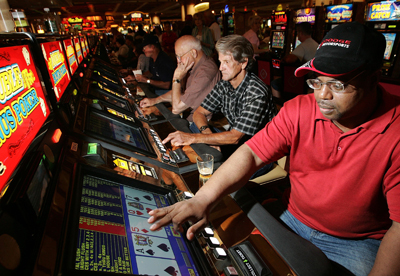
One of the most pervasive forms of subjective control illusion manifests in slot machines and roulette. Players may select particular numbers, time their bets in specific ways, or engage in ritualistic behaviors, convinced that these actions increase their chances of winning. Despite the mechanical and algorithmic randomness underlying these games, the human mind seeks patterns, causality, and agency even where none exist. This tendency is deeply rooted in cognitive processes evolved to identify cause-and-effect relationships, a skill beneficial in everyday life but misleading in gambling contexts.
Research in behavioral psychology highlights several mechanisms behind these illusions. One is the “illusion of skill,” where outcomes are misattributed to player choices rather than to chance. For instance, in lottery games, a player may believe that selecting birth dates or “lucky numbers” provides an advantage. While statistically irrelevant, this perceived skill reinforces the act of gambling, creating a feedback loop of engagement. Similarly, in poker or blackjack, players may overestimate their influence over probabilistic outcomes due to an incomplete understanding of odds, selectively remembering wins and forgetting losses—a cognitive bias known as the availability heuristic.
Another mechanism is the “illusion of control over timing.” Gamblers may delay or accelerate their bets based on superstitions or gut feelings, imagining that temporal decisions affect results. Slot machine players, for instance, may wait for a specific moment to spin, believing it aligns with some internal rhythm of luck. Roulette players might touch chips in a ritualistic manner before placing them on the table, attributing symbolic significance to their actions. Such behaviors often give a sense of agency and autonomy, which enhances excitement and emotional engagement, even if the actions have no actual impact on outcomes.
These illusions are further compounded by the structural design of gambling environments. Machines and tables are often programmed to reinforce intermittent rewards, capitalizing on the human tendency to overestimate control. Small wins, near misses, and sensory feedback—flashing lights, celebratory sounds, and tactile responses—create the impression that the gambler’s choices are meaningful. Near-miss outcomes, in particular, are powerful triggers for the illusion of control. A slot machine stopping just short of a jackpot or a roulette ball landing one number away from a selected spot can convince players that victory was nearly within their grasp and that adjusting strategy could yield a future win. These design elements exploit cognitive biases, subtly encouraging continued play without changing the underlying probabilities.
Subjective control illusions also influence risk perception and decision-making. Players who feel in control are more likely to engage in higher-stake bets, underestimate potential losses, and extend play duration. The emotional gratification derived from a sense of control can overshadow rational assessment, leading to behaviors that are inconsistent with statistical reality. Interestingly, the illusion of control is often stronger in familiar games or those with complex mechanics, where the player believes that skill or knowledge can compensate for chance. This explains why seasoned gamblers can fall prey to subjective control illusions despite experience and exposure to odds.
Understanding these phenomena has implications for responsible gambling initiatives. Educating players about the distinction between actual skill and perceived influence can mitigate harmful patterns. Transparency in odds presentation, clear explanations of randomness, and interventions highlighting the mechanics of chance can help recalibrate expectations. Behavioral nudges, such as prompts encouraging reflection on wins and losses, may reduce reliance on illusory control. Additionally, game designers and operators bear ethical responsibility to avoid reinforcing illusions in ways that encourage excessive risk-taking. While engagement is desirable from a commercial perspective, sustaining it through cognitive deception crosses into exploitative territory.
On an individual level, recognizing the allure of subjective control illusions empowers gamblers to adopt healthier strategies. Mindfulness, critical reflection on superstitious behaviors, and reliance on statistical reasoning can counteract the psychological pull of illusory agency. Self-imposed limits, structured play sessions, and awareness of emotional triggers provide practical tools to prevent excessive or compulsive gambling. By acknowledging that feelings of control are often constructs of perception rather than reality, players can retain enjoyment of games while avoiding detrimental overcommitment.
Cultural and social factors also shape the strength and prevalence of these illusions. In some societies, gambling is intertwined with traditions, rituals, and symbolic interpretations of luck, further reinforcing the perception that personal action can influence outcomes. Peer influence, social storytelling, and exposure to anecdotes of “strategic wins” contribute to the reinforcement of subjective control. Casinos and online platforms frequently leverage these social cues, using leaderboards, communal events, or visible displays of near wins to cultivate an environment where perceived control is amplified.
Despite the challenges posed by subjective control illusions, they are not inherently negative. The sense of agency can enhance engagement, enjoyment, and immersion, making gambling a compelling form of entertainment. Problems arise only when illusions distort risk assessment, promote excessive play, or obscure the reality of chance. Balancing the psychological appeal of perceived control with transparency and education is crucial. Gamblers, designers, and regulators must navigate this delicate interplay to foster environments that are both engaging and responsible.
Ultimately, subjective control illusions highlight the complex interplay between human cognition, emotion, and random systems. They reveal how the mind seeks patterns, agency, and meaning even in probabilistic contexts, shaping decisions in ways that can be both captivating and perilous. Awareness of these dynamics offers pathways to safer engagement, informed design, and enhanced understanding of the psychological underpinnings of gambling behavior. Recognizing the distinction between perceived and actual control is not merely an academic exercise; it is a practical strategy for sustaining enjoyment while minimizing harm, ensuring that the thrill of chance remains a source of entertainment rather than a vector of compulsion.
These illusions also underscore the broader lesson that human behavior is often guided by perception as much as by reality. In gambling, the perception of influence can be as powerful a motivator as any tangible outcome, shaping the emotional landscape of play. For those who navigate these environments with awareness, understanding subjective control illusions can transform gambling from a risky venture into a measured and enjoyable experience. Through education, design ethics, and personal reflection, it is possible to harness the excitement of perceived agency while maintaining clarity about the inherent unpredictability of chance.
By embracing this nuanced understanding, gamblers gain insight into their own decision-making, operators can create ethically responsible experiences, and society can cultivate a culture of informed engagement. Subjective control illusions are a testament to the power of human perception, revealing the ways in which minds construct meaning, seek agency, and interact with uncertainty. They remind us that in the realm of gambling, as in life, the sense of control may be an illusion—but the lessons it offers about cognition, risk, and behavior are very real.
Awareness of these illusions is a form of empowerment. By recognizing when feelings of control are psychologically constructed rather than empirically grounded, players can enjoy the excitement of gambling without succumbing to its potential harms. They learn to differentiate between strategy and superstition, skill and chance, influence and randomness. This clarity not only fosters responsible engagement but also enhances the intrinsic enjoyment of games, allowing players to participate consciously and reflectively.





Be First to Comment